Soil
Wood Ash Raises Soil pH — Which Makes It Useful in Exactly the Wrong Situation Half the Time
Spreading fireplace ash on the garden as a matter of habit helps acidic soil and actively harms alkaline soil, so it's worth testing before adding any.
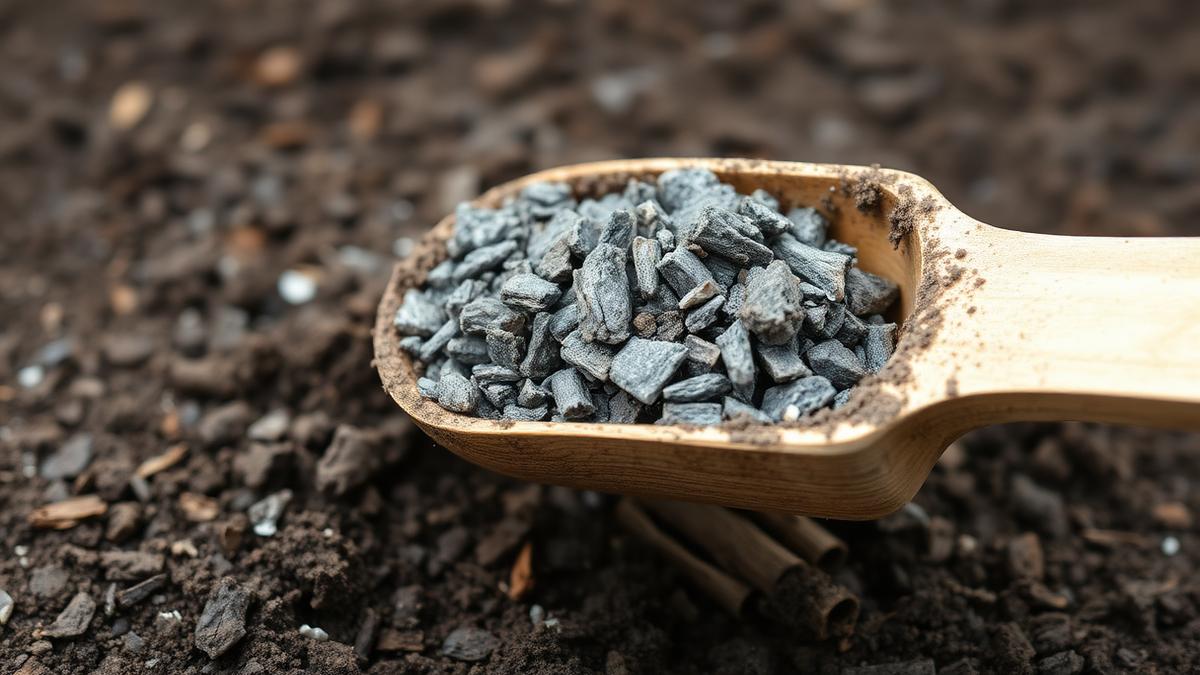
Wood ash is largely calcium carbonate and other alkaline mineral compounds, chemically similar to garden lime, and it raises soil pH readily — faster-acting than most agricultural lime, in fact, because the particles are so fine. On acidic soil, common in high-rainfall regions, that's a genuine benefit, nudging pH toward the neutral range most vegetables prefer. On soil that's already neutral or alkaline, which is common in drier climates and near concrete foundations, the same ash pushes pH higher still, locking up iron and manganese and causing the yellowing deficiency symptoms of high-pH soil.
A basic soil pH test, cheap and available at most garden centers, tells you which situation you're in before spreading ash. As a rough guide, apply no more than about 20 pounds of wood ash per 1,000 square feet per year even on acidic soil, since it acts fast and over-application overshoots the target pH.
Written and reviewed by Jim Vernon, editor of Home & Garden Answers · Last updated
Put this into practice
- Composting CalculatorWhat ratio of greens to browns does my compost need?
More facts like this
- Topsoil, Garden Soil, and Potting Mix Are Not InterchangeableFilling a raised bed with bagged topsoil is the most common reason a new bed compacts into a brick by its second season.
- Used Coffee Grounds Are Close to pH NeutralSpreading spent coffee grounds will not acidify soil for blueberries or hydrangeas — the acid left with your coffee.
- Most Nutrient Deficiencies Are pH Problems, Not ShortagesFeeding a yellowing plant more iron rarely works: at the wrong pH, the iron already present is chemically locked away.