Soil
Used Coffee Grounds Are Close to pH Neutral
Spreading spent coffee grounds will not acidify soil for blueberries or hydrangeas — the acid left with your coffee.
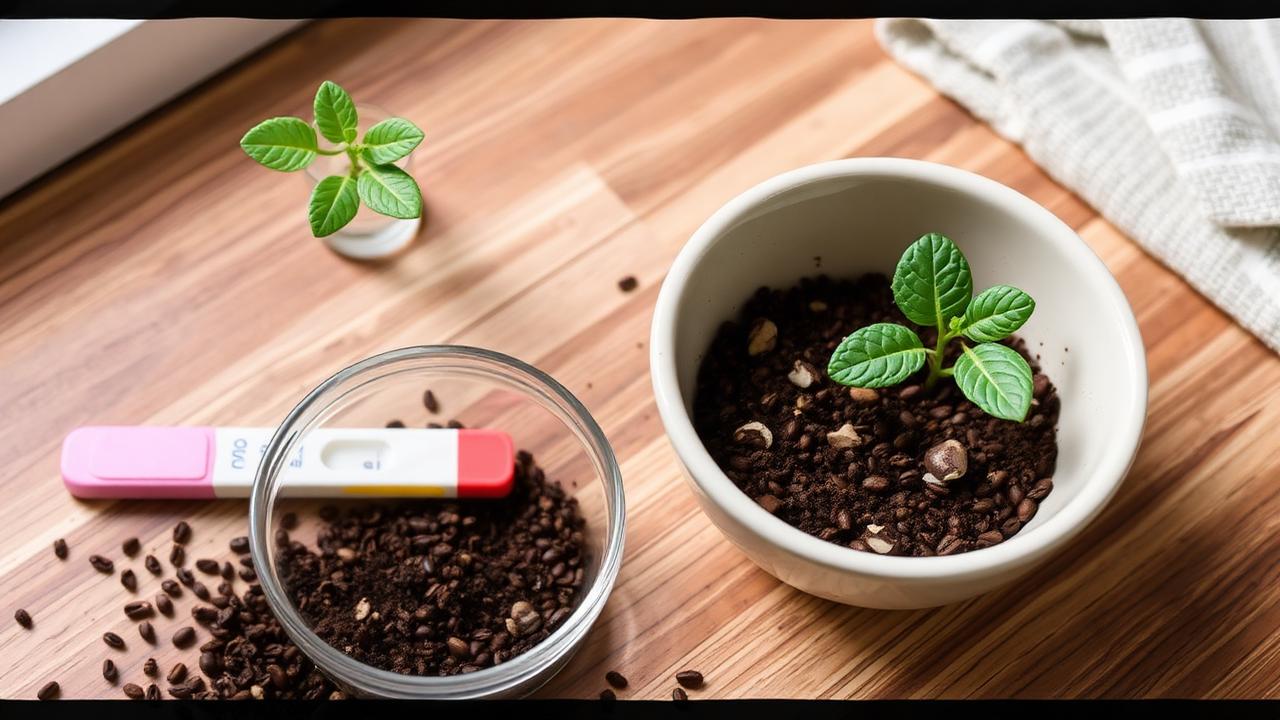
Fresh grounds are acidic, around pH 5. Brewing extracts most of those soluble acids into the beverage, and repeated measurements of spent grounds place them close to neutral, typically 6.5-6.8. As a soil acidifier they are effectively inert.
They are still useful: roughly 2% nitrogen by dry weight, good structure in a compost pile as a 'green', and a mild deterrent to some slugs. Just apply them thinly or composted — a thick layer of wet grounds forms a crust that sheds water.
Written and reviewed by Jim Vernon, editor of Home & Garden Answers · Last updated
Put this into practice
- Composting CalculatorWhat ratio of greens to browns does my compost need?
More facts like this
- Topsoil, Garden Soil, and Potting Mix Are Not InterchangeableFilling a raised bed with bagged topsoil is the most common reason a new bed compacts into a brick by its second season.
- Most Nutrient Deficiencies Are pH Problems, Not ShortagesFeeding a yellowing plant more iron rarely works: at the wrong pH, the iron already present is chemically locked away.
- Adding Sand to Clay Soil Can Make It Worse, Not BetterMixing sand into heavy clay without enough of it, or the wrong grade, produces a denser material than the clay alone — the concrete-mix ratio, essentially.