Soil
Most Nutrient Deficiencies Are pH Problems, Not Shortages
Feeding a yellowing plant more iron rarely works: at the wrong pH, the iron already present is chemically locked away.
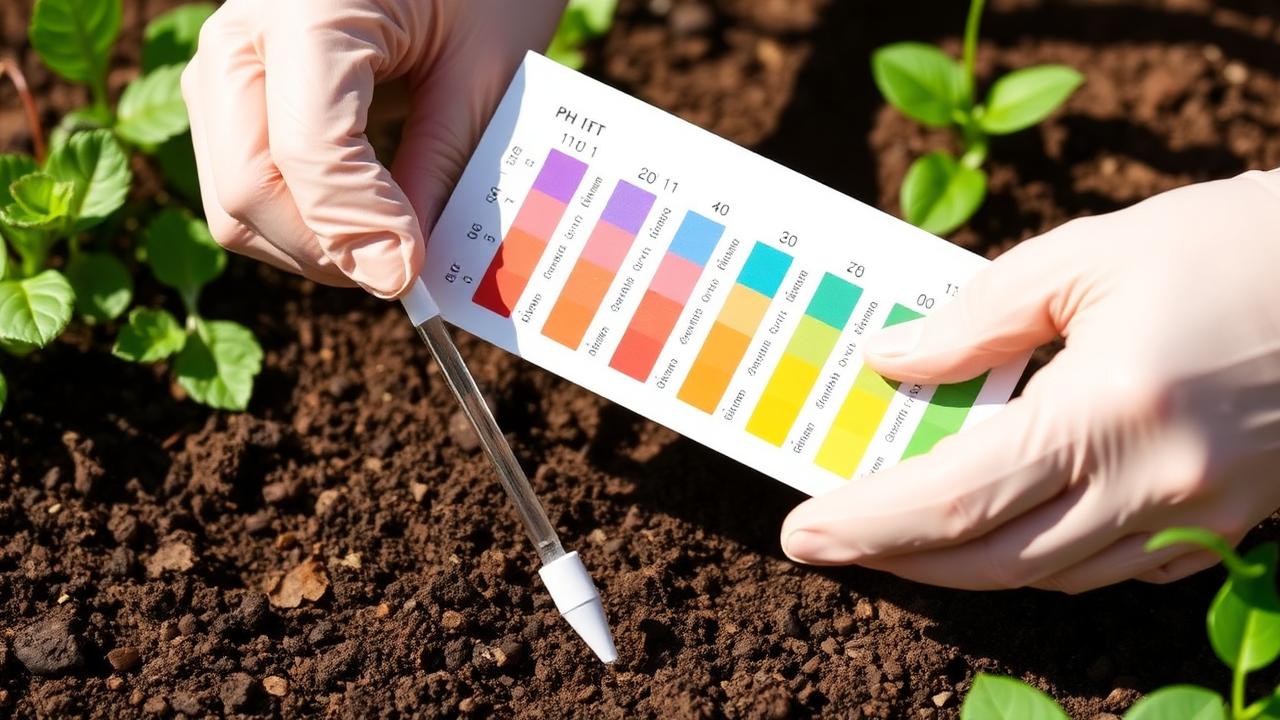
Nutrient availability is a function of soil chemistry. Above about pH 7.5, iron and manganese precipitate into forms roots cannot absorb; below pH 5.5, phosphorus binds with aluminium and iron instead. The nutrient is in the soil, just not in solution.
This is why blueberries yellow in chalky ground and why a soil test beats a fertiliser purchase. Most vegetables sit happily between pH 6.0 and 7.0, which is also where the widest range of nutrients stays available.
Written and reviewed by Jim Vernon, editor of Home & Garden Answers · Last updated
Put this into practice
- Raised Bed Soil CalculatorHow much soil do I need to fill my raised bed?
- Composting CalculatorWhat ratio of greens to browns does my compost need?
More facts like this
- Topsoil, Garden Soil, and Potting Mix Are Not InterchangeableFilling a raised bed with bagged topsoil is the most common reason a new bed compacts into a brick by its second season.
- Used Coffee Grounds Are Close to pH NeutralSpreading spent coffee grounds will not acidify soil for blueberries or hydrangeas — the acid left with your coffee.
- Adding Sand to Clay Soil Can Make It Worse, Not BetterMixing sand into heavy clay without enough of it, or the wrong grade, produces a denser material than the clay alone — the concrete-mix ratio, essentially.