Grow
Companion Planting Chart
Pick a crop to see which neighbours help it, which hurt it, and the practical reason behind each pairing.
Tomatoes
Good companions
Basil, Marigold, Carrots, Onions, Parsley
Avoid planting near
Corn, Potatoes, Fennel, Cabbage family
Why
Basil is thought to repel hornworms and improve flavor; marigold deters nematodes. Corn attracts the same earworm as tomato fruitworm, and potatoes/tomatoes share blight susceptibility.
Formula
Compatibility based on nitrogen fixation, pest-repelling scents, and physical growth habits.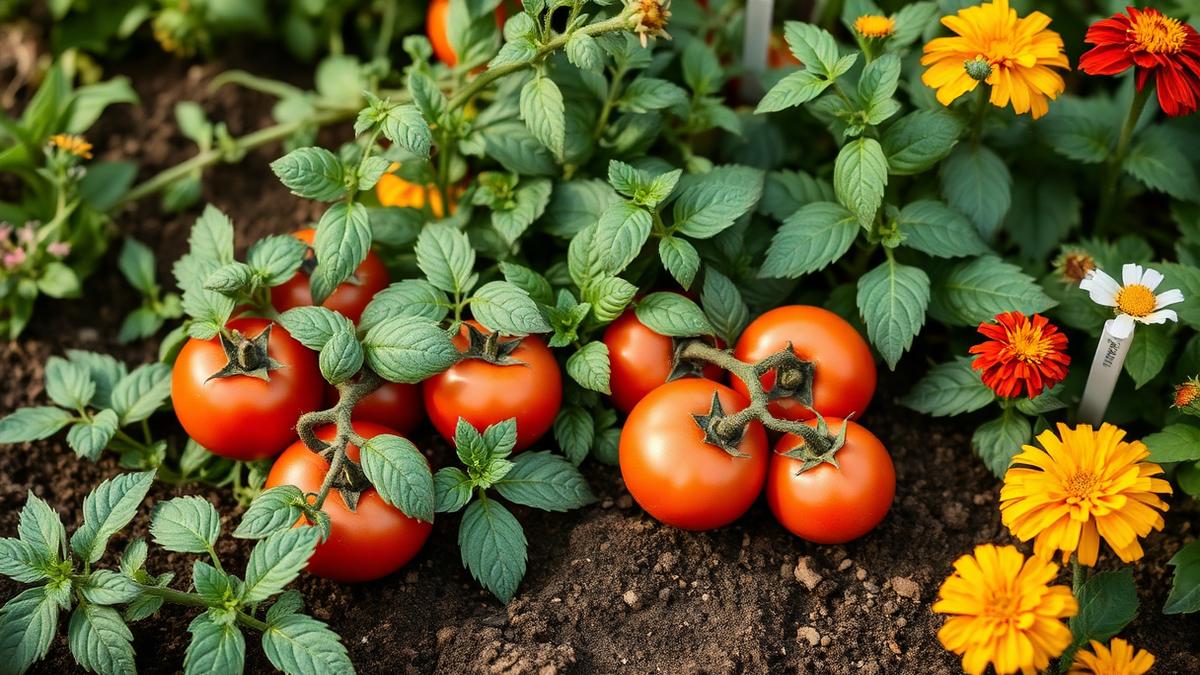
What companion planting actually does
Companion planting groups crops so their differences work in each plant's favor: one fixes nitrogen while its neighbor consumes it, one repels a pest that targets the other, one shades roots the other needs kept cool, or one attracts pollinators that both plants rely on. It is less a set of fixed rules and more a way of thinking about which plants compete and which cooperate.
The strongest, most tested example is the Three Sisters planting of corn, beans, and squash used across many Indigenous farming traditions in North America — corn provides a pole for beans to climb, beans fix nitrogen that feeds the heavy-feeding corn and squash, and squash's broad leaves shade the soil, keeping weeds down and moisture in.
The three ways plants help or hurt each other
| Mechanism | How it helps | Example |
|---|---|---|
| Nutrient sharing | Nitrogen-fixing legumes feed heavy feeders nearby | Beans planted near corn |
| Pest confusion | Strong scents mask a crop from pests hunting by smell | Onions interplanted with carrots |
| Trap cropping | A sacrificial plant draws pests away from the main crop | Nasturtium planted near squash |
| Physical support/shade | One plant's structure or canopy benefits its neighbor | Corn stalks supporting climbing beans |
| Pollinator attraction | Flowers draw bees that also pollinate nearby vegetables | Borage planted near strawberries |
Common bad pairings and why
- Tomatoes and potatoes — both are in the nightshade family and share susceptibility to early and late blight, so disease spreads faster when they're close together.
- Beans and onions/garlic — alliums release compounds into the soil that can suppress legume growth and nitrogen fixation.
- Fennel and almost everything — fennel releases root compounds that inhibit the growth of many neighboring vegetables, so it is usually best grown alone.
- Corn and tomatoes — both are hosts to the same pest (corn earworm/tomato fruitworm), so planting them together increases pest pressure on both.
Using this chart in a small garden
In tight raised beds or container gardens, treat 'bad companions' as a caution rather than a hard rule — the main risks are reduced yield and easier pest spread, not plant death. Where you cannot separate incompatible crops, add a physical or scent barrier such as a row of marigolds or herbs between them, and monitor more closely through the season.
Is companion planting backed by science?
Some pairings have solid evidence — the 'Three Sisters' (corn, beans, squash) works through documented nitrogen fixation and structural support, and strong-smelling herbs measurably confuse pest insects that hunt by scent. Other pairings are more folklore than proven fact, but the practice generally does no harm and often helps with pest confusion, pollinator attraction, or space efficiency.
Why shouldn't I plant certain crops next to each other?
Bad pairings usually come down to one of three problems: competition for the same soil nutrients, one plant's shade or size overwhelming the other, or shared pest and disease vulnerabilities that let problems spread easily between neighboring plants.
Can I still plant 'bad companions' if space is tight?
Yes — most bad companion effects are about reduced yield or increased pest risk, not outright plant death. If space forces the issue, add distance where you can, rotate positions next season, and monitor closely for the specific problem noted for that pairing.
Do companion planting benefits work in containers too?
Some do — pest-confusing herbs and flowers work in pots just as well as in ground beds. Nutrient-based benefits like nitrogen fixation from beans matter less in containers since you control fertility directly, but pest and pollinator benefits still apply.
Written and reviewed by Jim Vernon, editor of Home & Garden Answers · Last reviewed February 2026