Grow
Frost Date Lookup
Look up typical last spring and first fall frost dates by hardiness zone, plus your growing-season length.
Zone 6 averages
Start tender seedlings indoors 6-8 weeks before your last spring frost date, and direct-sow cool-season crops 2-4 weeks before it.
Formula
Frost dates are historical averages for the selected USDA hardiness zone.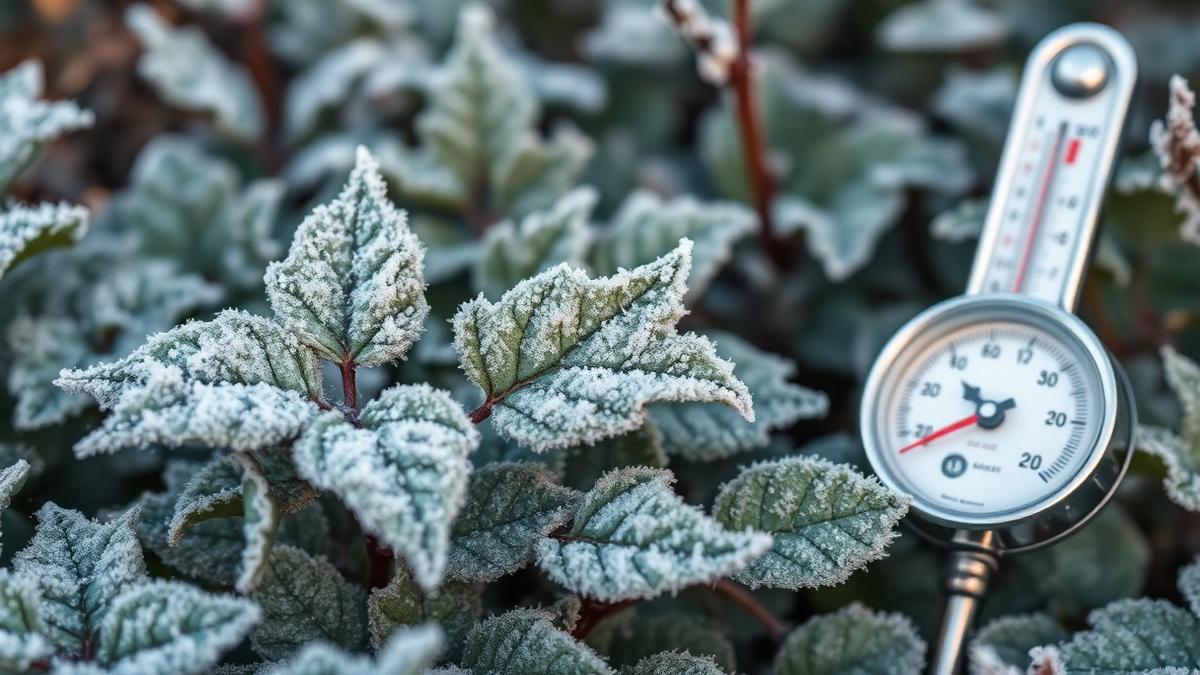
What frost dates actually mean
A 'last spring frost date' is not a guaranteed cutoff — it is the average date after which the probability of frost drops below about 50%, based on decades of historical weather records for a region. In practice, many gardeners use the date at which frost risk drops to 10% for safer transplant timing, which typically falls one to two weeks later than the 50%-probability average shown here.
The gap between your last spring frost and first fall frost defines your frost-free growing season — the window in which tender, frost-sensitive crops like tomatoes, peppers, beans, and squash can safely grow outdoors without protection.
Frost dates and season length by zone
| Zone | Last spring frost | First fall frost | Season length |
|---|---|---|---|
| Zone 3 | June 1 | September 1 | 92 days |
| Zone 4 | May 22 | September 15 | 116 days |
| Zone 5 | May 10 | October 1 | 144 days |
| Zone 6 | April 25 | October 15 | 173 days |
| Zone 7 | April 10 | October 30 | 203 days |
| Zone 8 | March 25 | November 15 | 235 days |
| Zone 9 | February 15 | December 5 | 293 days |
| Zone 10 | January 15 | December 20 | 339 days |
Working backward from your last frost date
- Slow-growing, cold-tolerant seedlings (onions, leeks, celery): start indoors 10-12 weeks before last frost.
- Standard warm-season transplants (tomatoes, peppers, eggplant): start indoors 6-8 weeks before last frost.
- Fast, tender direct-sow crops (beans, squash, cucumbers): direct sow 1-2 weeks after last frost, once soil has warmed.
- Cool-season direct-sow crops (peas, spinach, lettuce): direct sow 2-4 weeks before last frost — they tolerate light frost.
Season extension options
Row covers, cold frames, and low tunnels can push your effective growing season two to four weeks earlier in spring and later in fall by trapping several degrees of warmth and blocking wind. A simple frost cloth draped over tender transplants on a forecast frost night is often enough to prevent damage from a light, borderline frost.
Are these frost dates guaranteed?
No. They represent typical averages for each hardiness zone, with roughly a 50% chance of frost after the 'last spring frost' date and before the 'first fall frost' date. Local terrain, elevation, and proximity to water can shift your actual dates by two weeks or more in either direction.
What is the difference between a light frost and a hard freeze?
A light frost (32°F / 0°C) damages tender annuals and vegetable seedlings but many hardy plants tolerate it. A hard freeze (28°F / -2°C or below) kills most above-ground plant tissue outright, including many perennials' top growth.
How do I find my exact local frost dates instead of a zone average?
Your local cooperative extension office or a regional weather service frost date table, based on your specific county or nearest weather station, will be far more precise than a zone-wide average — check theirs for planning that matters, like a market garden's planting schedule.
Should I plant tender crops exactly on my last frost date?
It is safer to wait 1-2 weeks past your average last frost date before setting out tender crops like tomatoes and peppers, since 'average' means frost still occurs after that date roughly half the time.
Written and reviewed by Jim Vernon, editor of Home & Garden Answers · Last reviewed February 2026