Soil
Topsoil, Garden Soil, and Potting Mix Are Not Interchangeable
Filling a raised bed with bagged topsoil is the most common reason a new bed compacts into a brick by its second season.
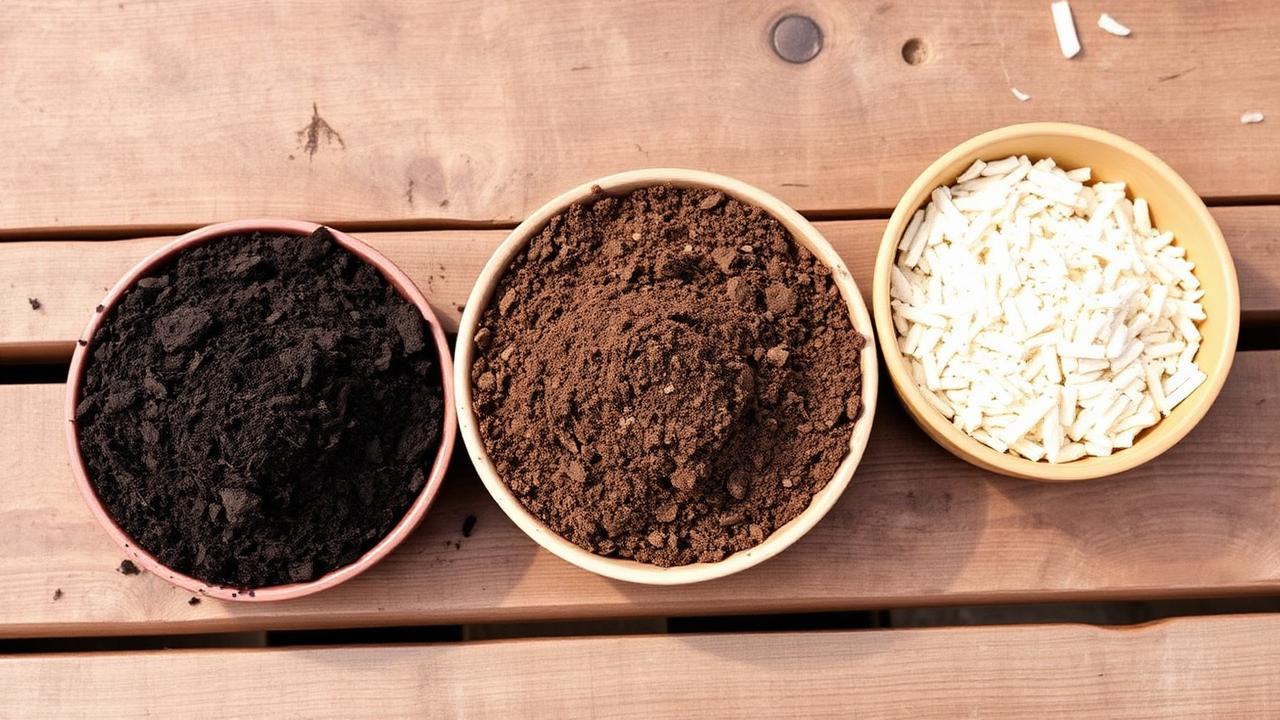
Topsoil is screened mineral soil — mostly sand, silt, and clay with little organic matter. It is a bulk fill product, cheap by volume, and it compacts. Garden soil is topsoil with compost blended in, intended to be dug into existing ground. Potting mix usually contains no soil at all: it is peat or coir plus bark and perlite, engineered to drain fast and stay light in a container.
A raised bed sits between those cases. It needs enough mineral body to hold nutrients and moisture, and enough structure not to slump. The workable ratio most growers land on is roughly 60% topsoil or screened loam, 30-40% finished compost, and a small share of coarse material such as bark fines for structure.
| Product | Typical use | In a raised bed |
|---|---|---|
| Topsoil | Bulk fill, levelling | Only as part of a blend |
| Garden soil | Amending existing beds | Fine, but expensive by volume |
| Compost | Nutrition and structure | 30-40% of the mix |
| Potting mix | Containers | Dries out too fast; skip it |
Written and reviewed by Jim Vernon, editor of Home & Garden Answers · Last updated
Put this into practice
- Raised Bed Soil CalculatorHow much soil do I need to fill my raised bed?
- Composting CalculatorWhat ratio of greens to browns does my compost need?
More facts like this
- Used Coffee Grounds Are Close to pH NeutralSpreading spent coffee grounds will not acidify soil for blueberries or hydrangeas — the acid left with your coffee.
- Most Nutrient Deficiencies Are pH Problems, Not ShortagesFeeding a yellowing plant more iron rarely works: at the wrong pH, the iron already present is chemically locked away.
- Adding Sand to Clay Soil Can Make It Worse, Not BetterMixing sand into heavy clay without enough of it, or the wrong grade, produces a denser material than the clay alone — the concrete-mix ratio, essentially.