Soil
Adding Sand to Clay Soil Can Make It Worse, Not Better
Mixing sand into heavy clay without enough of it, or the wrong grade, produces a denser material than the clay alone — the concrete-mix ratio, essentially.
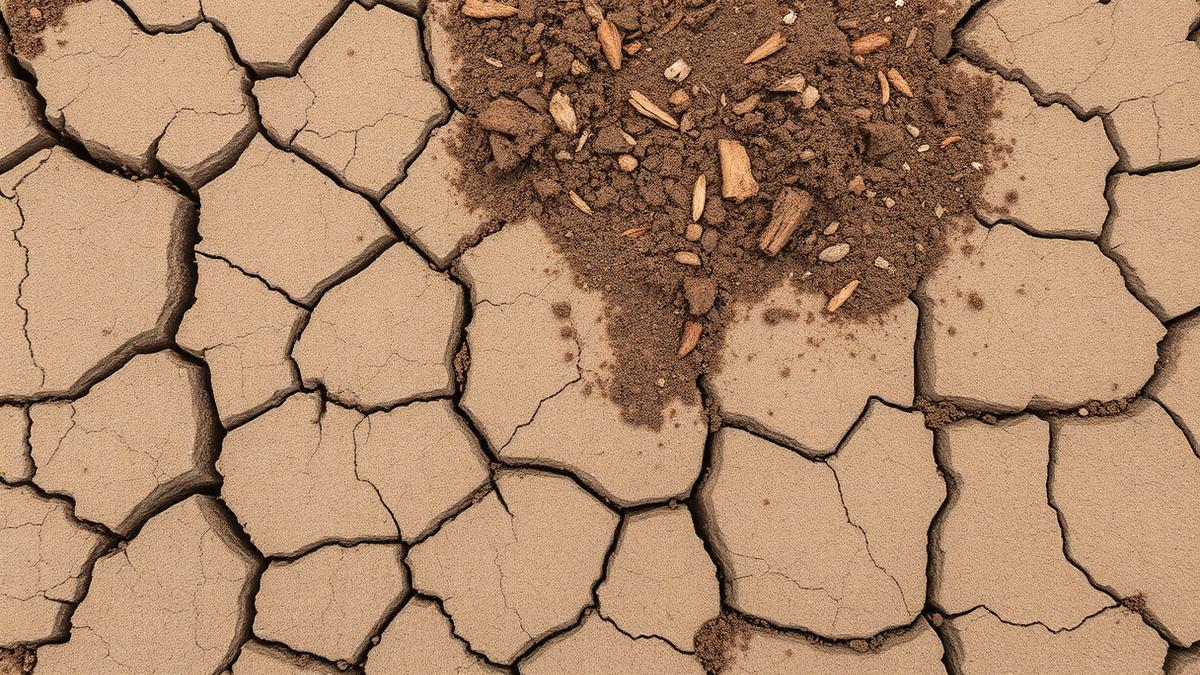
Clay particles are extremely fine and pack tightly with little pore space; sand particles are coarse and can fill the gaps between clay particles instead of creating new ones, if the sand is added below a certain proportion. That's structurally similar to what concrete does on purpose — a graded mix of fine and coarse particles compacting into a dense, low-porosity material. Small amounts of sand mixed into clay can genuinely worsen drainage and compaction rather than improve it.
The amendment that reliably works on clay is organic matter — compost, aged manure, leaf mold — worked in over multiple seasons. Organic matter creates stable aggregate structure and pore space regardless of ratio, which sand alone doesn't reliably do unless added in the very large proportions (well over 50% by volume) that true soil-blending specifications call for.
Written and reviewed by Jim Vernon, editor of Home & Garden Answers · Last updated
Put this into practice
- Raised Bed Soil CalculatorHow much soil do I need to fill my raised bed?
- Composting CalculatorWhat ratio of greens to browns does my compost need?
More facts like this
- Topsoil, Garden Soil, and Potting Mix Are Not InterchangeableFilling a raised bed with bagged topsoil is the most common reason a new bed compacts into a brick by its second season.
- Used Coffee Grounds Are Close to pH NeutralSpreading spent coffee grounds will not acidify soil for blueberries or hydrangeas — the acid left with your coffee.
- Most Nutrient Deficiencies Are pH Problems, Not ShortagesFeeding a yellowing plant more iron rarely works: at the wrong pH, the iron already present is chemically locked away.