Seeds
Old Seed Is Usually Still Good — But Not All Species Age Alike
Seed longevity varies from about one year (parsnip, onion) to ten or more (tomato, cucumber) under the same storage.
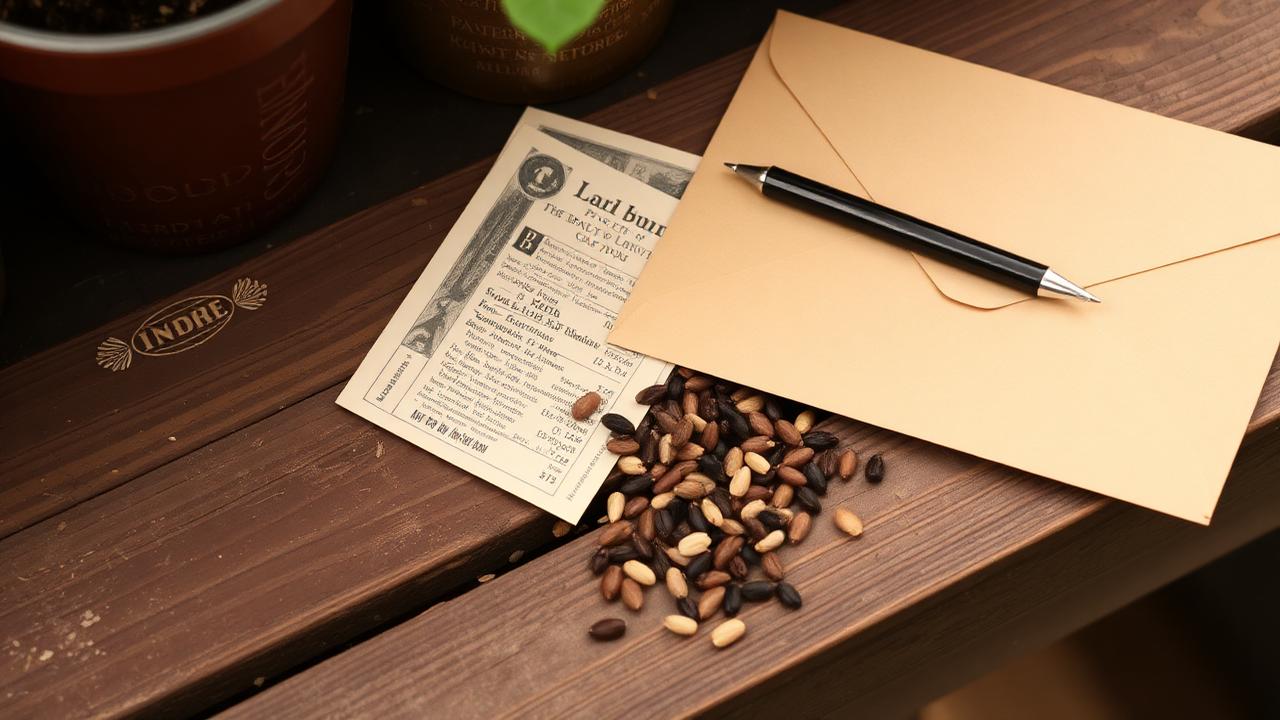
Seed is a living, respiring embryo. Its shelf life depends on the oil and moisture content of the species, and on storage: cool, dark, and dry roughly doubles viability compared with a warm shed.
| Seed | Typical viability |
|---|---|
| Parsnip, onion, leek | 1 year |
| Sweetcorn, pepper, carrot | 2-3 years |
| Bean, pea, spinach | 3-4 years |
| Brassicas, beet, chard | 4-5 years |
| Tomato, cucumber, squash, lettuce | 5-10 years |
Before discarding old packets, run a paper-towel test: ten seeds, damp towel, sealed bag, warm spot. Count germination after the species' normal window. Seven of ten means simply sowing a little thicker.
Written and reviewed by Jim Vernon, editor of Home & Garden Answers · Last updated
Put this into practice
- What to Plant This MonthWhat can I plant right now where I live?
- Frost Date LookupWhen is my last frost and how long is my season?
More facts like this
- Leggy Seedlings Are a Light Problem, Not a Watering ProblemThe classic pale, stretched, floppy seedling is almost always starved for light intensity, even when it's sitting right in a bright window.
- The 'Average Last Frost Date' Has a Coin-Flip Chance of Being WrongPlanting exactly on the average last frost date means, by the statistic's own definition, a roughly 50% chance frost still comes.
- The Bulb Depth Rule Is a Ratio, Not a Fixed NumberUsing one fixed planting depth for every bulb ignores that the standard rule is a multiplier of bulb size, not a single number.