Seeds
The Bulb Depth Rule Is a Ratio, Not a Fixed Number
Using one fixed planting depth for every bulb ignores that the standard rule is a multiplier of bulb size, not a single number.
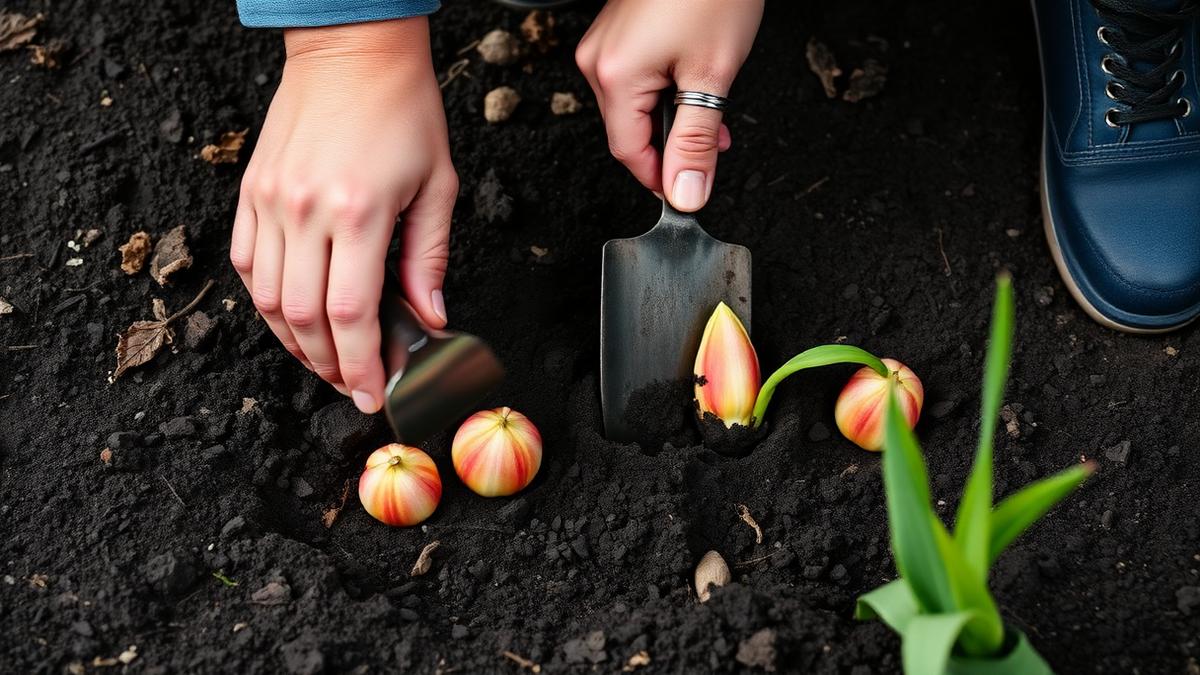
Bulb planting depth guidance is expressed as a ratio — roughly two to three times the bulb's own height, measured from the base to the tip — precisely because bulb size varies so widely. A small crocus corm might be an inch tall, calling for a two-to-three-inch planting depth; a large daffodil or allium bulb can be two to three inches tall on its own, needing four to eight inches of depth to match the same ratio.
Planting too shallow leaves bulbs vulnerable to frost heave and rodent disturbance; too deep delays or weakens emergence since the shoot has further to travel using stored energy. Checking the specific bulb's height, not a blanket depth for the whole bed, keeps the ratio accurate.
Written and reviewed by Jim Vernon, editor of Home & Garden Answers · Last updated
Put this into practice
More facts like this
- Old Seed Is Usually Still Good — But Not All Species Age AlikeSeed longevity varies from about one year (parsnip, onion) to ten or more (tomato, cucumber) under the same storage.
- Leggy Seedlings Are a Light Problem, Not a Watering ProblemThe classic pale, stretched, floppy seedling is almost always starved for light intensity, even when it's sitting right in a bright window.
- The 'Average Last Frost Date' Has a Coin-Flip Chance of Being WrongPlanting exactly on the average last frost date means, by the statistic's own definition, a roughly 50% chance frost still comes.