Watering Without Overwatering: How to Read a Plant
By Jim Vernon · 5 min read · Last updated
More houseplants die from kindness than from neglect, and the symptoms are nearly the same.
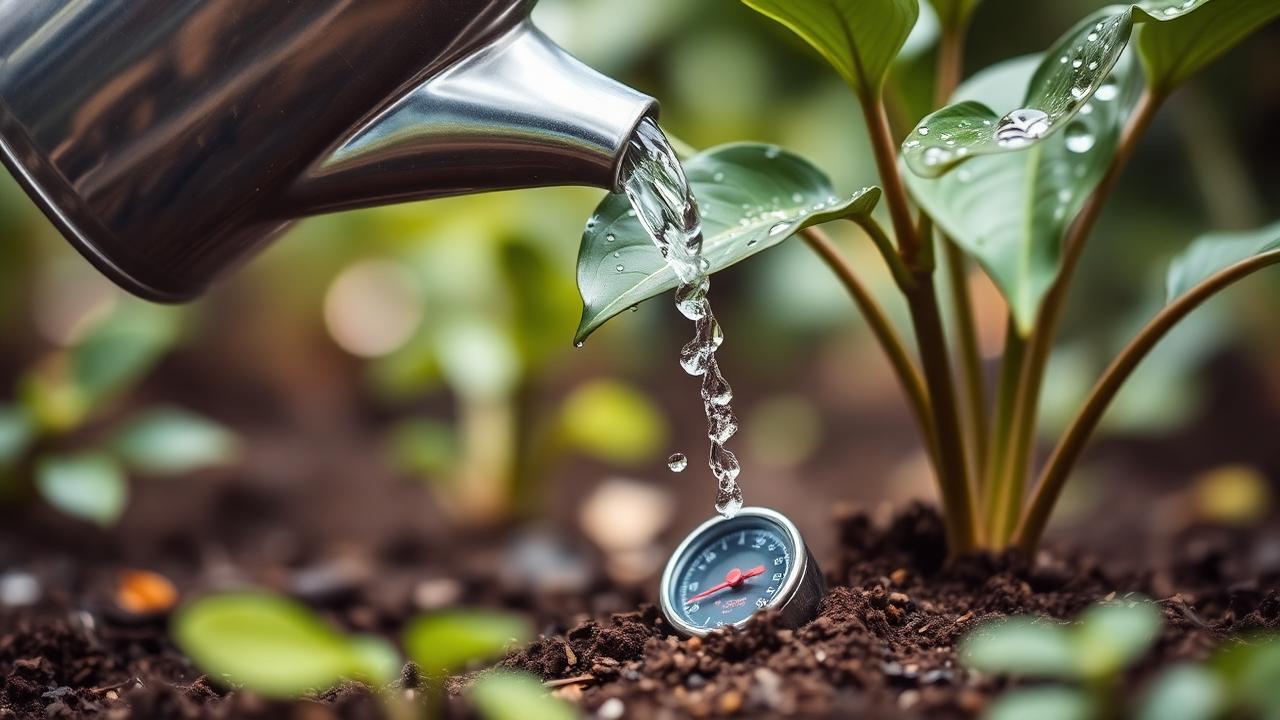
A wilting plant looks the same whether the soil is bone dry or waterlogged, because the outcome is identical: the roots are not delivering water. In one case there is nothing to deliver; in the other the roots have rotted and cannot.
Tell them apart in ten seconds
| Sign | Underwatered | Overwatered |
|---|---|---|
| Soil | Dry, pulling from the pot edge | Damp, possibly sour smelling |
| Leaves | Crisp, brown edges | Soft, yellow, limp |
| Leaf drop | Oldest first, dry | Anywhere, still green or yellow |
| Pot weight | Noticeably light | Heavy days after watering |
| Roots | Pale, dry, intact | Brown, mushy, sloughing |
Water by weight, not by calendar
Lift the pot right after watering, then again when the plant is thirsty. Within a week your hands calibrate to that difference better than any moisture meter, and it accounts for season, temperature, and growth automatically.
Fix the drainage before the schedule
A decorative outer pot with no drainage hole is the most common cause of root rot in the home. Water the inner pot at the sink, let it drain fully, and only then return it. Gravel in the base of a pot does not improve drainage — it raises the saturated zone.
How much water is a good soak?
Enough for water to run freely from the drainage holes. Small sips wet only the top layer and leave dry pockets where roots die back.
Does watering need to change in winter?
Yes. Reduced light means reduced growth and far less water use. Most houseplants need roughly half their summer frequency between November and February.
How do I know if root rot has already set in?
Ease the plant from its pot and check the roots: healthy roots are pale and firm, while rotted roots are brown, soft, and often smell sour. Trim away affected roots and repot into fresh, dry compost if you catch it early.
Does tap water quality matter?
For most houseplants, no. A few species sensitive to fluoride or high mineral content, such as some ferns and carnivorous plants, do better with rainwater or filtered water, but this is the exception rather than the rule.
Worked example: three plants, three schedules
A succulent in a 12 cm pot might need water only every two to three weeks even in summer, because it stores moisture in its leaves. A peace lily in the same size pot may need water twice a week, wilting visibly as an honest signal when it is thirsty. A moisture-sensitive fern needs consistently damp — never soggy — compost, checked every two to three days. Treating all three on the same calendar schedule overwaters the succulent and underwaters the fern.
A simple weekly check routine
- Lift each pot once a week and note which feel light.
- Push a finger into the top 2-3 cm of compost on any pot you are unsure about.
- Water thoroughly at the sink for anything genuinely dry, letting it drain fully before returning it to its saucer or cover pot.
- Empty any standing water left in a saucer after twenty minutes.
- Adjust frequency seasonally — cut back as light and growth drop in autumn and winter.
- Common mistake: watering on a fixed calendar regardless of season, light, or pot size.
- Common mistake: misreading wilting as thirst and adding more water to an already waterlogged pot.
- Common mistake: leaving a saucer of water sitting under a pot indefinitely, which keeps roots permanently wet.
- Common mistake: repotting a stressed plant into a much bigger pot, which holds more moisture than the smaller root system can use and increases rot risk.
Outdoor beds follow the same logic, at a different scale
The same weight-and-feel test that works on a houseplant pot works on a garden bed if you push a trowel or your finger in rather than lifting anything: dry, crumbly soil two inches down needs water; cool, dark, slightly clinging soil does not, no matter how dry the surface looks. Established plants in open ground are also far more forgiving than potted ones, because roots can chase moisture sideways and downward in a way a container never allows.
| Plant type | Typical watering interval in summer | Signal to trust |
|---|---|---|
| Succulents and cacti | Every 2-3 weeks | Leaves feel slightly soft before watering again |
| Most foliage houseplants | Weekly, adjusted by pot weight | Top 2-3 cm of compost dry |
| Moisture-loving ferns | Every 2-3 days | Surface never fully dries |
| Established garden shrubs | Deep soak weekly in dry spells | Soil dry 5 cm down |
| Vegetable beds in containers | Daily in hot weather | Compost dry to first knuckle |
Self-watering pots and wicking systems
A self-watering container uses a reservoir and a wicking material to draw moisture up to the roots as the compost dries, which smooths out the peaks and troughs of manual watering and suits people who travel or forget a regular schedule. They are not foolproof for every plant — succulents and other plants that need to dry out fully between waterings often struggle in a system designed to keep the root zone consistently moist — but for thirsty, steady-moisture plants like ferns and peace lilies they meaningfully reduce the risk of both over- and under-watering.
Reading leaf colour as a secondary signal
| Leaf sign | Possible watering link | Other possible cause |
|---|---|---|
| Yellowing lower leaves | Overwatering, especially with poor drainage | Natural leaf ageing if only one or two leaves |
| Brown, crispy tips | Underwatering or low humidity | Tap water fluoride sensitivity in a few species |
| Sudden total wilt | Root rot from chronic overwatering | Severe drought stress if soil is bone dry |
Adjusting for pot material and location
The same plant in a terracotta pot on a sunny windowsill dries out considerably faster than in a glazed ceramic pot in a shaded corner, even with identical compost and identical watering habits. Rather than memorising a fixed schedule per species, treat pot material, light level, and room temperature as modifiers on the basic weight-and-feel test, and expect to water a windowsill terracotta pot roughly twice as often as a shaded glazed one of the same size.
Run the numbers for your own project
- Plant Watering CalculatorHow often and how much should I water this plant?
- Houseplant Light MatcherWhich houseplants suit this window?
Keep reading
- Starting Your First Vegetable Garden Without Wasting a SeasonMost first gardens fail for reasons that have nothing to do with a green thumb. Here are the five that matter.
- Building Soil That Actually Grows ThingsFeeding plants is a short-term fix. Feeding the soil is what makes a garden easy.
- Reviving a Tired Lawn: A Season-Long PlanA thin lawn is a symptom. Treating the symptom with more seed is why it keeps coming back.