Starting Your First Vegetable Garden Without Wasting a Season
By Jim Vernon · 4 min read · Last updated
Most first gardens fail for reasons that have nothing to do with a green thumb. Here are the five that matter.
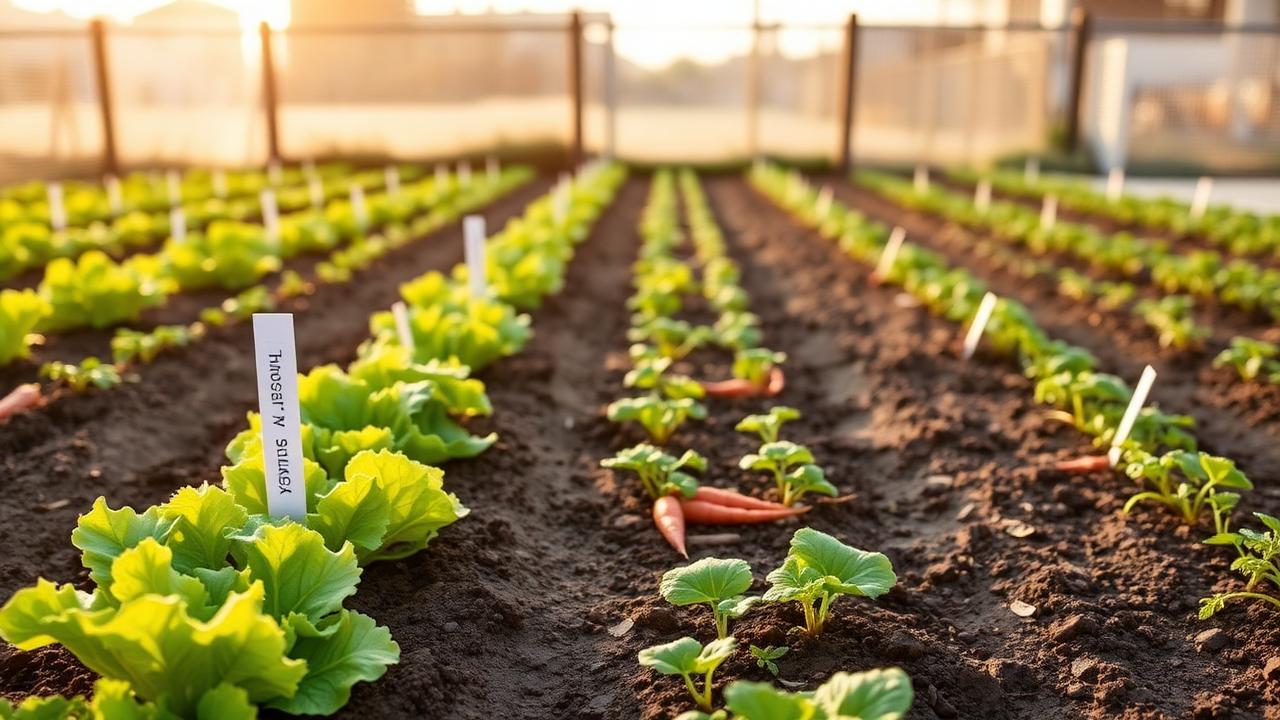
A first vegetable garden usually fails in July, not in April. The planting was fine; the watering, the spacing, and the sheer size of the plot were not. Getting those right in advance is most of the work.
Start smaller than feels satisfying
A single 4 by 8 foot bed produces a genuinely useful amount of food and takes about twenty minutes of attention a week. Three beds take an hour and, in year one, are usually abandoned by August.
Sunlight is the constraint you cannot fix
Fruiting crops — tomatoes, peppers, squash, beans — need six to eight hours of direct sun. Leafy crops manage on four. Watch the intended spot across a full day before you build anything, because no amount of soil or feeding compensates for shade.
Choose crops by cost and reward, not by ambition
- High reward: cherry tomatoes, salad leaves, bush beans, courgette, herbs, radish.
- Low reward for the space: sweetcorn, maincrop potatoes, pumpkins, brassicas needing netting.
- Best value per square foot: cut-and-come-again salad, which regrows three or four times.
Fill the bed properly the first time
Raised beds need a mix, not topsoil alone: roughly 60% quality topsoil, 30% compost, and 10% coarse material for drainage. Compaction over the first month means you should overfill slightly and top up in year two.
Water deeply and on a schedule
One long soak twice a week beats a daily sprinkle every time — shallow watering trains roots to stay near the surface, which is exactly where the soil dries first in a heatwave. Mulch two inches deep once the soil warms.
Raised bed or in the ground?
Raised beds win where soil is poor, compacted, or contaminated, and where bending is difficult. In good ground, an in-ground bed costs nothing and holds moisture better.
When should I start?
Build in late winter, fill in early spring, and sow according to your last frost date. Cool-season crops go in weeks before that date; tomatoes and beans wait until after it.
How much should I expect to spend in year one?
A single 4 by 8 bed with timber sides, fill, and a season of seed and starts typically runs somewhere between the cost of a basic raised bed kit and one restaurant meal per month of the growing season — most of that is the soil, not the plants.
Do I need to rotate crops in such a small space?
Strict rotation matters less in beds this small because you are refreshing the soil with compost annually anyway, but avoid planting tomatoes or potatoes in exactly the same spot two years running to limit soil-borne disease buildup.
Worked example: a single 4 by 8 foot bed
That bed is 32 square feet. A reasonable first-year layout gives 8 square feet to salad leaves, 8 to bush beans, 8 to a mix of radish and herbs, and 8 to two tomato plants staked at the back where they will not shade everything else. That is enough salad for two people through summer, a steady trickle of beans, and roughly 15-20 pounds of tomatoes if the season is kind.
Filling that bed to a 10 inch depth needs about 0.85 cubic yards of mix — roughly 23 cubic feet, or about eleven 2 cubic foot bags split across topsoil, compost, and a drainage amendment in the 60/30/10 ratio described above.
A first-season sequence
- Six weeks before the last frost: sow cool-season crops indoors, or direct-sow if your soil has warmed.
- Two to four weeks before last frost: direct-sow radish, lettuce, and peas outdoors.
- After the last frost date: transplant tomatoes, peppers, and squash; direct-sow beans.
- Two weeks after transplanting: check soil moisture every second day, not by looking at the surface but by pushing a finger two inches down.
- Six weeks in: begin a weekly liquid feed once the initial compost nutrients are drawn down.
- Mid-season: succession-sow a second batch of salad leaves and radish into any bed that has been cleared.
- End of season: cut spent plants at soil level rather than pulling, leaving roots to decompose in place.
- Common mistake: planting the whole bed on day one instead of succession-sowing salad and radish every two to three weeks.
- Common mistake: spacing seedlings at the distance shown on a mature plant photo rather than the packet's actual spacing guidance.
- Common mistake: watering little and often, which grows shallow, drought-sensitive roots.
- Common mistake: skipping a support structure for tomatoes and beans until they have already flopped over.
- Common mistake: planting brassicas without netting and losing the crop to caterpillars within two weeks.
Tools worth buying versus tools worth borrowing
A hand trowel, a hori-hori or sturdy weeding knife, a watering can with a fine rose, and a pair of secateurs cover nearly everything a bed this size needs. A full border fork or spade is useful once, mainly for the initial dig, and is worth borrowing rather than buying if this is genuinely your first attempt at growing anything.
Reading a seed packet properly
The back of a seed packet answers almost every question a beginner asks a search engine. Sowing depth is usually about twice the seed's own diameter; spacing refers to the mature plant, not the seedling; and the days-to-maturity figure is counted from direct sowing or from transplanting, not from the date the packet was opened, which matters when planning a succession schedule around a single bed.
| Crop | Typical days to harvest | Second sowing worthwhile? |
|---|---|---|
| Radish | 25-30 | Yes, every 2-3 weeks |
| Salad leaves | 30-45 | Yes, every 2-3 weeks |
| Bush beans | 50-60 | Yes, once in early summer |
| Tomatoes | 60-80 from transplant | No, one planting per season |
Run the numbers for your own project
- Raised Bed Soil CalculatorHow much soil do I need to fill my raised bed?
- Garden Bed Plant SpacingHow many plants fit in my bed?
- Frost Date LookupWhen is my last frost and how long is my season?
Keep reading
- Building Soil That Actually Grows ThingsFeeding plants is a short-term fix. Feeding the soil is what makes a garden easy.
- Reviving a Tired Lawn: A Season-Long PlanA thin lawn is a symptom. Treating the symptom with more seed is why it keeps coming back.
- Balcony and Container Gardening That Survives AugustContainers fail in heat, not in cold. Almost all of that comes down to volume.