Soil Testing Explained: What the Numbers Actually Mean
By Jim Vernon · 4 min read · Last updated
A soil test report is only useful once you know which numbers change your plan and which are just background information.
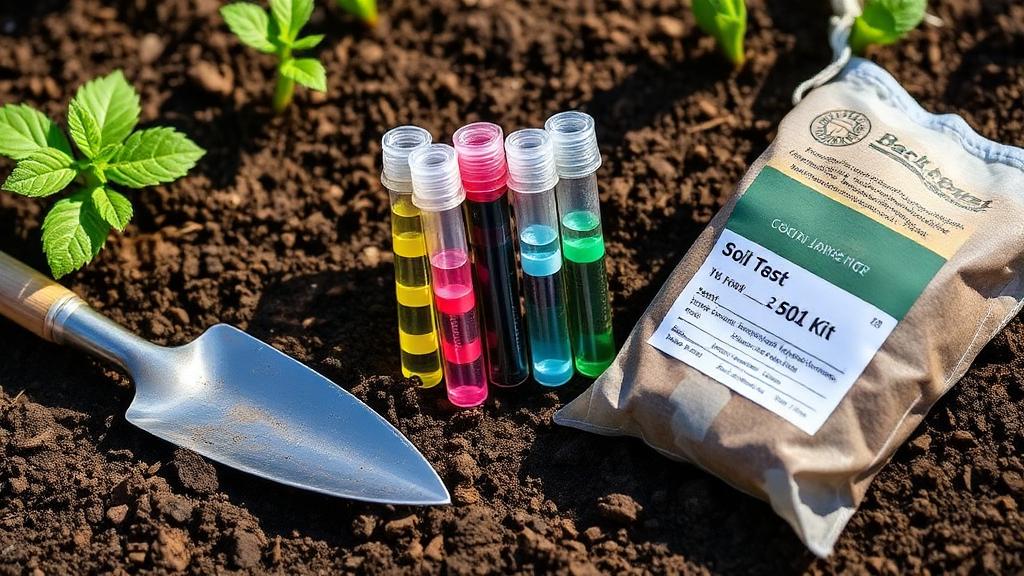
A soil test result full of unfamiliar abbreviations is easy to shelve unread. In practice only a handful of the numbers should change what you do this season — pH, the three macronutrients, and organic matter — and most of the rest is useful context rather than an action item.
pH: the number that controls everything else
Soil pH determines how available nutrients are to plant roots, regardless of how much fertiliser is present. Most vegetables and lawns prefer a pH between 6.0 and 7.0; outside that range, nutrients already in the soil become chemically locked up and unavailable even if the raw quantities look adequate on paper.
| pH reading | Soil condition | Common fix |
|---|---|---|
| Below 5.5 | Strongly acidic | Add garden lime, retest after a season |
| 5.5-6.0 | Moderately acidic | Light lime application for most vegetables and lawns |
| 6.0-7.0 | Ideal range for most plants | No amendment needed |
| 7.0-7.5 | Mildly alkaline | Elemental sulfur or acidifying organic matter |
| Above 7.5 | Strongly alkaline | Sulfur amendment, and choose alkaline-tolerant plants |
N-P-K: what each nutrient actually does
- Nitrogen (N) drives leaf and stem growth; low readings show up as pale, slow-growing plants.
- Phosphorus (P) supports root development and flowering; deficiency slows establishment and bloom.
- Potassium (K) supports overall plant health, disease resistance, and drought tolerance.
A test showing high phosphorus but low nitrogen calls for a nitrogen-heavy or nitrogen-only fertiliser, not a balanced all-purpose blend, since adding more phosphorus on top of an already-high reading contributes nothing and can run off into waterways.
Organic matter as a long-game indicator
Organic matter percentage reflects the soil's structure, water retention, and biological activity more than any single nutrient. Readings below 3% in a vegetable bed suggest an ongoing compost or cover-crop program rather than a one-time fix, since organic matter builds slowly over multiple seasons.
Home kits versus lab tests
Home pH and N-P-K kits give a rough, fast read and are useful for tracking change over time, but their accuracy on nutrient levels is limited. A lab test, often available through a local extension office for a modest fee, gives precise readings plus tailored amendment recommendations for the specific crop or lawn type listed on the submission form.
A worked example: interpreting a lime recommendation
A lab report showing pH 5.4 on a 500-square-foot vegetable bed might recommend around 25-30 pounds of garden lime, applied and worked into the top few inches, then retested the following season rather than reapplied blindly, since lime reacts slowly and overcorrection can push pH too high in one step.
Common soil testing mistakes
- Testing right after fertilizing or liming, which skews results and hides the baseline the test is meant to reveal.
- Taking one sample from a single spot instead of combining several across the bed or lawn.
- Applying a full bag of amendment based on a guess rather than the lab's specific recommended rate for the reported deficiency.
- Ignoring pH entirely while chasing N-P-K numbers, when a pH problem is what is actually locking nutrients away from roots.
Micronutrients and when they actually matter
Most home soil tests report on iron, manganese, zinc, and similar micronutrients, but deficiencies in these are far less common than pH or macronutrient issues and usually only show up in very sandy soils, extreme pH ranges, or specific crops known to be sensitive, like blueberries needing iron in alkaline soil. For a typical lawn or vegetable bed with a mid-range pH, micronutrient numbers are usually background information rather than something requiring immediate action.
Reading a test report as a decision tree
- Check pH first; if it is outside 6.0-7.0, plan the correction before anything else, since it affects nutrient availability regardless of other readings.
- Check nitrogen, phosphorus, and potassium levels against the recommended range for the specific plant or lawn type on the report.
- Check organic matter percentage as a longer-term indicator rather than something to fix this season.
- Only dig into micronutrient readings if a specific plant is showing deficiency symptoms that macronutrients and pH do not explain.
Lab cost and turnaround
A standard university extension soil test typically costs $10-20 and covers pH, macronutrients, and organic matter, with results back in one to three weeks by mail or online portal. Private commercial labs charge more, often $25-50, but turn results around faster and can add micronutrient or heavy-metal screening for an extra fee, which matters mainly for urban lots with unknown fill soil history or older properties near a demolished structure.
How often should soil be tested?
Every two to three years for an established lawn or garden bed is generally sufficient, unless plants are showing clear deficiency symptoms sooner.
Can I fix pH and add fertiliser at the same time?
Yes, but lime takes months to fully react with soil, so pH correction should be viewed as a background project running alongside, not instead of, immediate fertiliser needs.
Do potted plants need soil testing too?
Less often, since bagged potting mix starts at a known, controlled pH and nutrient level. Testing matters more once a container has been reused for several seasons without refreshing the mix.
Does compost application change soil test results?
Yes, regular compost use gradually raises organic matter and can shift pH slightly, usually toward neutral, so it is worth noting compost history when reading a test taken after several years of amendment.
Is a cheap home pH meter accurate enough to trust?
It gives a directionally useful reading for tracking change, but probe-style meters drift and need calibration. For a one-time decision like liming a new bed, a lab test is worth the modest cost.
Run the numbers for your own project
- Soil Amendment and pH CalculatorHow much lime or sulfur do I need to fix my soil pH?
- Lawn Fertilizer CalculatorHow much fertilizer does my lawn need?
Keep reading
- Starting Your First Vegetable Garden Without Wasting a SeasonMost first gardens fail for reasons that have nothing to do with a green thumb. Here are the five that matter.
- Building Soil That Actually Grows ThingsFeeding plants is a short-term fix. Feeding the soil is what makes a garden easy.
- Reviving a Tired Lawn: A Season-Long PlanA thin lawn is a symptom. Treating the symptom with more seed is why it keeps coming back.