Saving Vegetable Seeds That Grow True Next Year
By Jim Vernon · 5 min read · Last updated
Seed saved from a hybrid tomato will still grow, but the fruit it produces often won't resemble the parent plant at all.
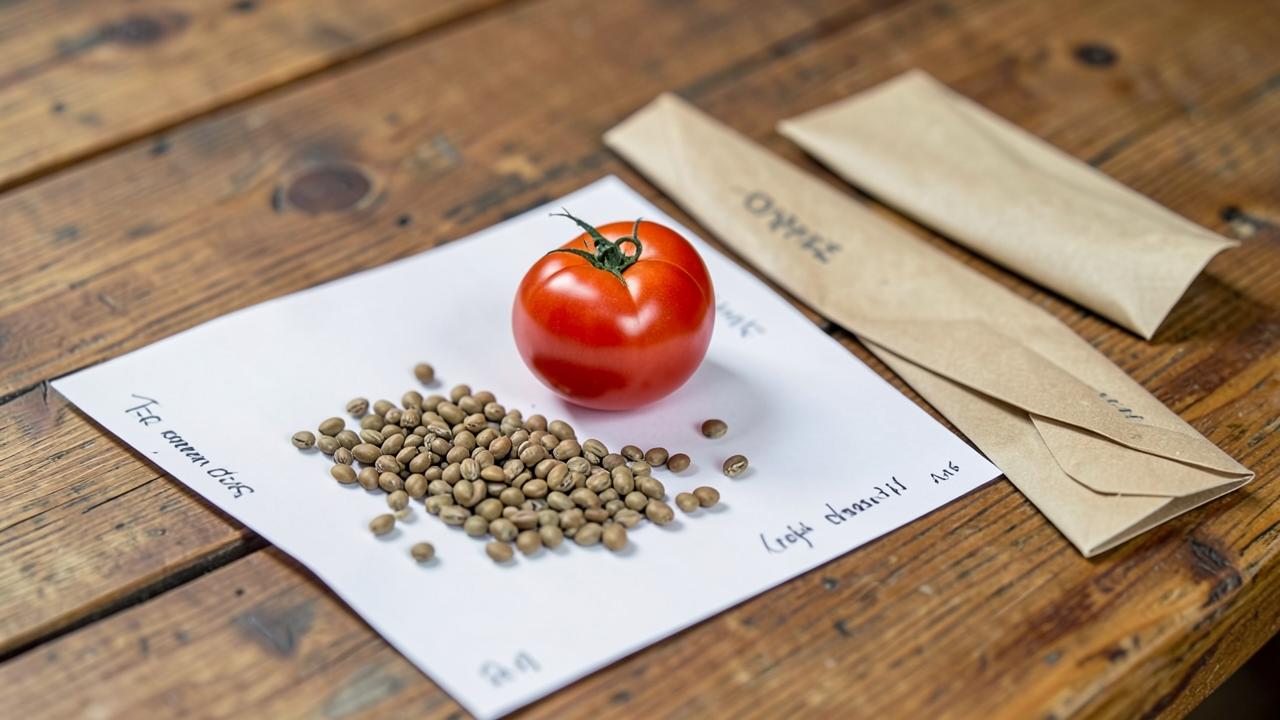
Saving vegetable seeds that grow true means starting with open-pollinated or heirloom varieties rather than F1 hybrids, since hybrids are a genetic cross that doesn't reproduce reliably from its own seed. Self-pollinating crops like tomatoes, beans, and peas are the easiest starting point because they rarely cross with other varieties in a home garden, while cross-pollinating crops like squash and corn need isolation distance or hand-pollination to keep varieties true.
Which crops are easiest to start seed-saving with?
| Crop | Pollination type | Isolation needed | Difficulty |
|---|---|---|---|
| Tomatoes | Self-pollinating | 10-15 ft between varieties (mostly self, occasional bee cross) | Easy |
| Beans and peas | Self-pollinating | Minimal, a few feet | Easy |
| Peppers | Mostly self, some crossing | 25-50 ft or bag flowers for pure seed | Easy-moderate |
| Squash and cucumbers | Cross-pollinating (insects) | 1/4-1/2 mile or hand-pollinate | Difficult without hand-pollination |
| Corn | Wind cross-pollinating | 1/2-1 mile or timed isolation | Difficult in most home settings |
How do you save tomato seeds specifically?
- Choose fully ripe, healthy fruit from a plant with the traits you want to keep.
- Scoop seeds and surrounding gel into a jar with a little water.
- Let it ferment at room temperature for 2-3 days, stirring once daily — this breaks down the germination-inhibiting gel coating and mimics natural decomposition, and also helps eliminate some seed-borne diseases.
- Once a layer of mold forms on top, pour off the mold and floating (nonviable) seeds, then rinse the good seeds that sank in a strainer.
- Spread seeds on a coffee filter or ceramic plate (not paper towel, which they stick to) and air-dry for 1-2 weeks out of direct sun.
How long do saved seeds actually stay viable in storage?
| Seed | Typical viable storage life |
|---|---|
| Tomatoes, peppers | 4-6 years |
| Beans, peas | 3-4 years |
| Squash, cucumbers | 4-6 years |
| Lettuce, brassicas | 3-5 years |
| Onions, parsnips | 1-2 years (short-lived, replace often) |
How should saved seeds be stored?
Store fully dried seed in a paper envelope inside an airtight container with a moisture-absorbing packet, kept cool and dark — a closet or a refrigerator both work, as long as temperature stays stable and the container prevents humidity swings. Label every envelope with variety name and saving date immediately; unlabeled seed saved 'just for this year' reliably becomes a mystery packet within two seasons.
How do you prevent unwanted cross-pollination in a small garden?
- Grow only one variety of a cross-pollinating crop like squash or corn per season if seed purity matters, since home-garden distances rarely achieve true isolation.
- Hand-pollinate squash by taping male and female flowers shut the evening before they'd open, then hand-transferring pollen the next morning and re-taping the female flower to exclude bees.
- Stagger bloom times between varieties of the same cross-pollinating species so their flowering windows don't overlap.
- For tomatoes and peppers, growing several feet apart and harvesting seed from the interior of fruit clusters (less exposed to visiting bees) reduces but doesn't eliminate occasional crossing.
Why save seed at home instead of just buying fresh packets each year?
Cost savings are modest for common crops — a packet of tomato or bean seed runs $3-5 and lasts several seasons anyway — so the bigger reasons are usually about selection and resilience. Saving seed from the earliest, most disease-resistant, or best-tasting plants in your own garden over several years gradually adapts that variety to your specific soil, climate, and pest pressure in a way store-bought seed, bred for broad regional averages, doesn't. It's also a hedge against a favorite heirloom variety being discontinued by seed companies, which happens more often than most gardeners expect.
How do you save seed from beans, peppers, and squash specifically?
| Crop | When to harvest for seed | Processing |
|---|---|---|
| Beans, peas | Pods left on plant until dry, brown, and rattling | Shell by hand, air-dry indoors 1 week |
| Peppers | Fruit fully ripe (color-changed, often past the eating-ripe stage) | Cut open, scrape seeds onto a plate, air-dry 1-2 weeks |
| Squash | Fruit left well past eating stage until the rind hardens fully | Scoop, rinse off pulp, air-dry on a screen 2-3 weeks |
Peppers are often picked for eating before the seed inside is fully mature, so seed-saving requires letting a few fruits ripen fully past that point — a red bell pepper picked green for eating won't have viable seed, but one left to fully redden will. The same principle applies to squash and cucumbers: fruit picked at the tender eating stage has immature seed, so a few fruits need to be left on the vine well past when you'd normally harvest them for the table.
How much seed should you actually save from one plant?
A single healthy tomato or pepper plant produces far more seed than a home garden needs in one packet — one tomato alone can yield 50-150 seeds. Save from 2-3 fruits on 2-3 different plants of the same variety rather than a single fruit, which preserves more genetic diversity within that variety and guards against losing the whole seed line if one saved batch fails to store well or germinate.
Can I save seed from a volunteer plant that came up on its own?
You can, but its parentage is unknown if multiple varieties or a hybrid grew nearby the previous year, so results are unpredictable. Treat volunteer seed as an experiment rather than a reliable source of a known variety.
Do I need to dry bean and pea seeds differently than tomato seeds?
Yes — beans and peas are dried on the plant. Leave pods on the vine until they rattle and turn brown or tan, then shell and let seeds air-dry further indoors for a week before storing, no fermentation step needed.
How can I test if old saved seed is still viable before planting a whole bed?
Roll 10 seeds in a damp paper towel, seal in a plastic bag, and keep at room temperature for the seed's typical germination window (about 5-10 days for most vegetables). Count how many sprout to estimate germination rate and adjust seeding density accordingly.
Run the numbers for your own project
- Seed Starting Schedule CalculatorWhen should I start my seeds indoors?
- Companion Planting ChartWhat should I plant next to this crop?
- What to Plant This MonthWhat can I plant right now where I live?
Keep reading
- Starting Your First Vegetable Garden Without Wasting a SeasonMost first gardens fail for reasons that have nothing to do with a green thumb. Here are the five that matter.
- Building Soil That Actually Grows ThingsFeeding plants is a short-term fix. Feeding the soil is what makes a garden easy.
- Reviving a Tired Lawn: A Season-Long PlanA thin lawn is a symptom. Treating the symptom with more seed is why it keeps coming back.