How Do You Replace a Water-Hungry Lawn with Low-Water Planting?
By Jim Vernon · 4 min read · Last updated
A full lawn-to-xeriscape conversion doesn't have to happen in one exhausting weekend — phasing it over two seasons cuts both cost and risk of dead plants.
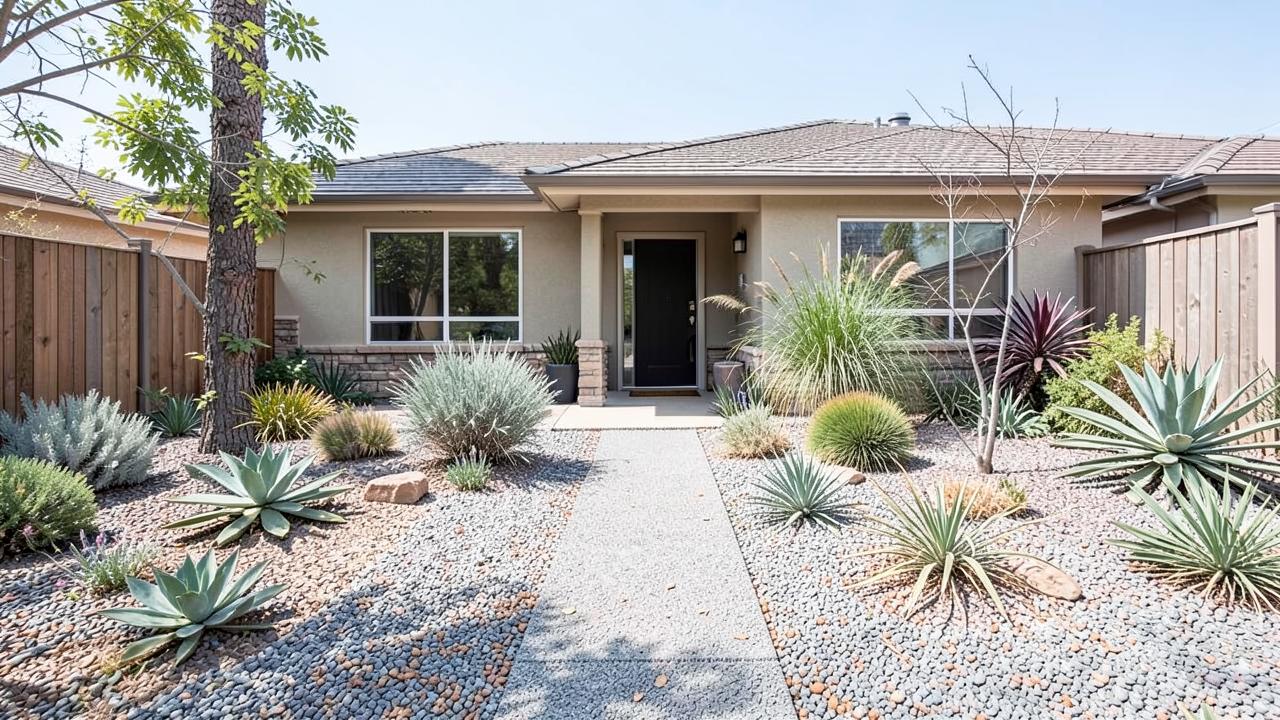
Replace a lawn with low-water planting by killing the existing turf (sheet mulching or solarizing rather than tilling it under alive), improving drainage and soil where needed, then planting drought-tolerant perennials, grasses, and groundcover at their mature spacing with a heavy mulch layer. Doing this in phased sections of 200-500 square feet keeps the project affordable and lets you correct plant choices before committing the whole yard.
What is the actual water savings from converting lawn to native planting?
A conventional cool-season lawn in a hot-summer climate can need 30-45 inches of supplemental irrigation per year to stay green, while an established bed of regionally native, drought-adapted plants typically needs only occasional deep watering during the first two establishment years and little to none after that. Many water utilities in dry Western states offer turf-removal rebates of $1-$3 per square foot specifically because the water savings are large and measurable.
How do you kill the existing grass without herbicide?
- Sheet mulching: mow the lawn short, cover with overlapping cardboard, then add 4-6 inches of mulch or compost on top; smothers grass in 6-10 weeks.
- Solarizing: cover with clear plastic sheeting sealed at the edges for 4-6 weeks during the hottest part of summer; effective but leaves bare soil.
- Sod cutting: physically remove the turf layer with a rented sod cutter; fastest option but removes topsoil along with the grass.
What should replace the lawn?
| Zone/region type | Groundcover/grass options | Structural perennials | Water need once established |
|---|---|---|---|
| Hot-dry, zones 8-10 | Buffalo grass, dymondia, creeping thyme | Salvia, lavender, agave, penstemon | Little to none beyond rainfall |
| Temperate, zones 6-8 | Sedge (Carex spp.), creeping phlox | Coneflower, black-eyed Susan, switchgrass | Occasional deep watering in dry spells |
| Humid-warm, zones 8-9 | Sedge, native groundcover phlox | Coreopsis, muhly grass, yarrow | Rainfall-dependent, minimal supplement |
How much does a full conversion cost?
DIY conversion of a 1,000-square-foot front lawn — sheet mulching materials, plants at roughly 1 per 2-3 square feet, and mulch — typically runs $1,500-$3,000 depending on plant size and density. Hiring a landscaper for design and installation of the same area runs $6,000-$12,000, with cost driven mainly by plant maturity size and any irrigation redesign. Turf-removal rebates, where available, can offset $1,000-$3,000 of that.
Do you need to change the irrigation system?
Spray irrigation designed for turf wastes significant water on bed plantings and encourages fungal problems on crowns and foliage. Converting to drip irrigation or soaker hose on the new beds, even as a low-cost retrofit of the existing valve, typically cuts water use by 30-50% compared to leaving spray heads running over the same footprint.
What planting density and spacing works best for a fast, weed-resistant fill-in?
Space most low-water perennials and grasses at 12-18 inches on center for a groundcover effect that closes within two seasons, tightening to 8-12 inches in the first row along a path or edge where a crisper line matters. Wider spacing saves on plant costs upfront but leaves more open ground exposed to weed seed for a longer stretch, so factor the cost of extra mulch and hand-weeding time against the savings from buying fewer plants before deciding on spacing.
How do you keep a converted bed from turning into a weed patch?
The first two growing seasons are the highest-risk window, since young drought-tolerant plants haven't yet filled in to shade out weed seed. A 2-3 inch mulch layer, refreshed as it thins, blocks most weed germination in the interim, and spacing plants at their mature width — rather than spacing them wide for a tidier initial look — closes the canopy faster and shortens the vulnerable period. Hand-pulling weeds weekly for the first year prevents the far larger job of removing an established weed population later.
Which parts of the yard are worth converting first?
Start with the areas that are hardest to keep green anyway: strips along driveways and sidewalks that get reflected heat, slopes where irrigation runs off before soaking in, and shaded areas under trees where turf has always struggled. These sections show the clearest before-and-after improvement and let you learn the workflow — sheet mulching, plant spacing, drip conversion — on a smaller, lower-stakes area before tackling a highly visible front lawn.
Do local rules or HOAs restrict lawn conversion?
Many HOAs historically required turf grass in front yards, though a growing number of states have passed laws overriding those restrictions specifically to allow drought-tolerant landscaping. Check your HOA's covenants and your state's current law before starting, since some jurisdictions still require a minimum percentage of live plant coverage or specific edging standards even where turf itself isn't mandated.
Frequently asked questions
Can you convert a lawn to low-water planting in one weekend?
Physically removing the sod can be done in a weekend, but sheet mulching needs 6-10 weeks to fully kill grass before planting, and plants establish better when installed in the cooler shoulder seasons rather than midsummer. Plan the project across one full season for the best results.
Will removing the lawn hurt my home's curb appeal or resale value?
A well-designed low-water landscape with structure, seasonal color, and defined edges typically maintains or improves curb appeal, while a patchy, unmaintained turf-removal project can hurt it. The difference is almost entirely in planning density and edge definition, not the concept itself.
Do you still need to mulch a converted low-water bed every year?
A fresh 2-3 inch mulch layer at installation is essential, but established low-water beds typically need only a thin top-up every 1-2 years rather than annual reapplication, since plant canopy coverage reduces weed pressure and moisture loss over time.
Run the numbers for your own project
- Wildflower and Pollinator Mix CalculatorHow much wildflower seed do I need for my patch?
- Mulch CalculatorHow much mulch do I need for my beds?
- Plant Watering CalculatorHow often and how much should I water this plant?
Keep reading
- Starting Your First Vegetable Garden Without Wasting a SeasonMost first gardens fail for reasons that have nothing to do with a green thumb. Here are the five that matter.
- Building Soil That Actually Grows ThingsFeeding plants is a short-term fix. Feeding the soil is what makes a garden easy.
- Reviving a Tired Lawn: A Season-Long PlanA thin lawn is a symptom. Treating the symptom with more seed is why it keeps coming back.