Pruning Fruit Trees: Winter Structure Cuts That Actually Improve Fruit
By Jim Vernon · 5 min read · Last updated
Pruning fruit trees in the wrong season, or with the wrong cuts, can cost you a full year of fruit. The good news: the rules are simple.
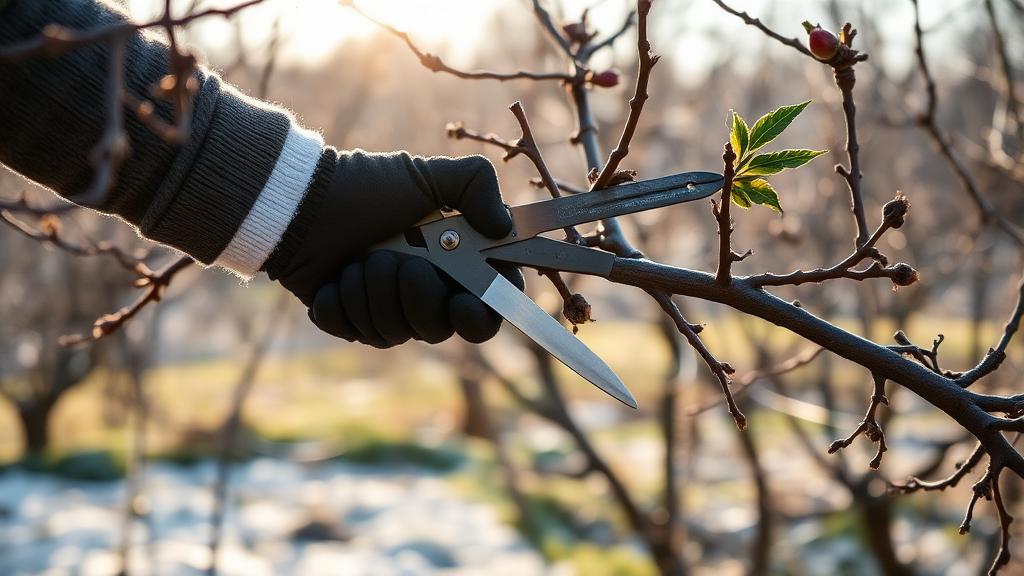
Fruit tree pruning has two separate goals that get confused constantly: dormant-season structural pruning that shapes the tree and improves light penetration, and occasional summer pruning that manages vigorous growth. Most home gardeners only need the dormant-season version.
Why pruning happens while the tree is dormant
Pruning in late winter, before buds break but after the coldest part of winter has passed, lets you see the tree's full branch structure without leaves in the way, and cuts made on a dormant tree heal with less stress than cuts made during active growth.
The three cuts every fruit tree needs
- Remove dead, damaged, or diseased wood first — it is never a judgment call and should always come out.
- Remove crossing or rubbing branches, which wound each other's bark over time and create entry points for disease.
- Remove suckers from the base and watersprouts (vigorous vertical shoots) from the interior, which shade fruiting wood without producing much fruit themselves.
Open-centre vs central-leader shape
| Shape | Best for | Structure |
|---|---|---|
| Open centre (vase) | Peaches, plums, some apples | 3-5 main scaffold branches, open middle for light |
| Central leader | Apples, pears | One dominant central trunk with tiered scaffold branches |
An open-centre tree lets light reach the interior of a spreading tree, which stone fruits particularly benefit from. A central-leader shape suits apples and pears, which fruit well on a more upright, tiered structure and tolerate some interior shade.
Angle of cuts and where to make them
- Cut just outside the branch collar — the slightly swollen area where a branch meets the trunk — rather than flush with the trunk, which removes tissue the tree needs to heal the wound.
- For heading cuts that shorten a branch, cut just above an outward-facing bud so new growth heads away from the tree's centre.
- Avoid pruning paint or sealant on cuts; research consistently shows it does not speed healing and can trap moisture against the wound.
Signs a mature tree is overdue for pruning
A dense, shaded interior with fruit only on the outer canopy, a tangle of thin unproductive shoots, and branches that rub or cross are all signs a tree has gone several years without structural attention and would benefit from a staged renovation pruning.
Worked example: renovating a neglected tree
A mature apple tree that hasn't been pruned in five years might carry 30-40% dead, crossing, or excessively dense wood. Rather than removing all of it in one winter, take out roughly a quarter of that excess each year over three years: dead and diseased wood first, then the worst crossing branches, then thinning the remaining dense interior. This staged approach restores good structure without triggering the burst of unproductive watersprout growth that one aggressive cutback would cause.
Common mistakes
- Pruning heavily in late spring or summer instead of during dormancy.
- Cutting flush with the trunk instead of just outside the branch collar.
- Removing more than a quarter of the canopy in a single winter on an overgrown tree.
- Leaving watersprouts and root suckers unremoved year after year, shading fruiting wood.
- Applying pruning paint to cuts, which traps moisture rather than helping the tree heal.
Thinning cuts vs heading cuts
A thinning cut removes an entire branch back to its point of origin and generally encourages less regrowth, making it the preferred cut for opening up a crowded canopy. A heading cut shortens a branch partway and stimulates vigorous regrowth just below the cut, which is useful for encouraging branching on a young tree but can create a thicket of watersprouts if overused on a mature one.
Tools and sharpening
- A dull blade crushes rather than cleanly cuts stems, leaving a ragged wound that heals slowly and invites disease.
- Sharpen bypass pruners at the start of each pruning season and touch up as needed through a long session.
- Clean tools with rubbing alcohol between trees, especially if any disease symptoms were visible, to avoid spreading pathogens.
Reading a tree's response the following season
A well-pruned tree pushes moderate, evenly distributed new growth the following spring. A thicket of thin, vertical watersprouts concentrated near old pruning cuts signals the tree was over-pruned or cut too heavily in one spot, and the fix is a lighter touch and more evenly distributed cuts the next winter rather than removing the new sprouts all at once.
Formative pruning in the first three years
A newly planted whip is usually headed back to about 24-30 inches at planting to force branching low enough for an eventual open-centre or central-leader shape. In year two, select 3-5 well-spaced scaffold branches with wide crotch angles — narrow, upright angles are structurally weak and prone to splitting under a heavy fruit load years later — and remove competing shoots growing at the same height as the chosen leader. By year three, formative pruning shifts toward maintaining that structure and removing any inward-growing or overly vigorous shoots that would shade the developing scaffolds, rather than heavy cutting. Skipping formative pruning in these early years is a common reason mature trees end up with a crowded, weak-angled structure that later requires several years of corrective renovation pruning to fix.
Can I prune fruit trees in summer?
A light summer prune to remove watersprouts or manage size is fine, but major structural cuts belong in the dormant season, when the tree tolerates them better.
How much should I prune off a young tree in its first few years?
Young trees need mostly light shaping cuts to establish good scaffold branch structure — heavy pruning is reserved for mature or neglected trees, not new plantings.
Will pruning reduce this year's fruit?
Dormant pruning removes some fruiting wood, so a heavily pruned tree may produce somewhat less fruit that year, but the improved light and airflow typically pays off in fruit quality and long-term yield.
What tools do I need for basic fruit tree pruning?
Bypass hand pruners for small wood, loppers for branches up to about 1.5 inches, and a pruning saw for anything larger — all kept clean and sharp for cleaner cuts that heal faster.
Should I prune a fruit tree in its first year after planting?
Only lightly, to remove damaged growth and establish basic scaffold structure; heavy formative pruning is better spread across the first two or three years as the tree establishes.
Run the numbers for your own project
- Hedge and Tree Spacing CalculatorHow far apart should I space my hedge or trees?
Keep reading
- Starting Your First Vegetable Garden Without Wasting a SeasonMost first gardens fail for reasons that have nothing to do with a green thumb. Here are the five that matter.
- Building Soil That Actually Grows ThingsFeeding plants is a short-term fix. Feeding the soil is what makes a garden easy.
- Reviving a Tired Lawn: A Season-Long PlanA thin lawn is a symptom. Treating the symptom with more seed is why it keeps coming back.