How to Protect Plants From a Surprise Frost
By Jim Vernon · 5 min read · Last updated
One unexpected 30°F night can undo a whole season of tomatoes. Twenty minutes of prep prevents it.
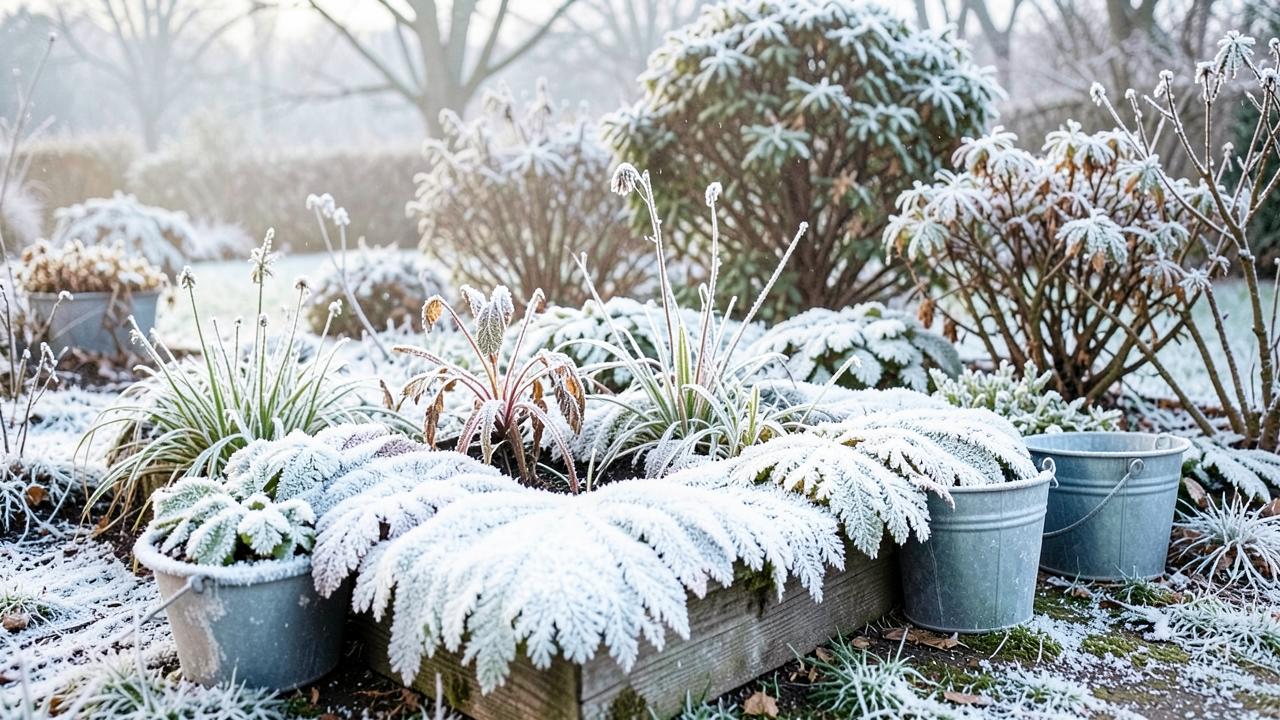
Protecting plants from a surprise frost means covering tender plants before sunset, using breathable fabric rather than plastic touching the leaves, and watering the soil beforehand, since moist soil holds and radiates more heat overnight than dry soil. Done correctly, this can protect plants through a light frost down to around 28-30°F for a few hours.
Which plants actually need protection from frost?
Tender annuals and warm-season vegetables — tomatoes, peppers, basil, squash, cucumbers, and most bedding annuals — are damaged or killed by any frost, since their cell walls rupture when ice crystals form inside the leaf tissue. Cold-hardy crops like kale, spinach, carrots, and most brassicas tolerate light frost and even improve in flavor afterward, so they don't need covering for anything above about 25-28°F.
| Plant category | Frost tolerance | Cover needed below |
|---|---|---|
| Tomatoes, peppers, basil, squash | None — damaged at 32°F | 36°F forecast low as a safety margin |
| Most bedding annuals (impatiens, begonias) | None to very low | 35°F |
| Brassicas, spinach, lettuce | Light frost tolerant | 28°F |
| Established perennials, most trees/shrubs | Frost tolerant once hardened | Rarely needs cover except new transplants |
| Citrus, tropical potted plants | Damaged below ~30-32°F | Bring indoors or cover at 33-35°F forecast |
What actually works as a frost cover?
- Frost cloth or row cover fabric (spunbond polypropylene) — breathable, adds roughly 4-8°F of protection depending on thickness, and can stay on for days if needed.
- Old bedsheets or burlap — free and effective for a single night, but must be removed by mid-morning to avoid trapping moisture and blocking light.
- Cardboard boxes or overturned buckets — good for individual small plants; weigh down or anchor against wind.
- Cloches or cold frames — best for a bed of low plants, and can be left in place longer than sheets.
Does watering before a frost really help?
Yes — moist soil absorbs and holds more heat during the day than dry soil, then releases that heat slowly overnight, keeping the air just above the ground a few degrees warmer. Water the soil (not the foliage) in the afternoon before an expected frost night, ideally finishing at least a couple of hours before sunset so leaves have time to dry.
What's the right timing for covering and uncovering plants?
- Check the forecast by mid-afternoon; frost warnings for that night are usually issued by then.
- Water soil (not leaves) in early-to-mid afternoon if the soil is dry.
- Cover plants before sunset, while some residual daytime heat is still in the ground and air, sealing cover edges to the soil to trap that heat.
- Remove or vent covers by mid-morning once temperatures rise above freezing, so plants get light and don't overheat under fabric on a sunny day.
What if I forgot and frost already hit overnight?
Don't rush to touch or prune frost-damaged foliage before it thaws — let the plant warm naturally and assess damage a day or two later, since some tissue that looks blackened immediately can partially recover. For truly tender plants like basil, blackened leaves are permanent damage and won't recover, but the plant may still be salvageable if the growing tip survived; wait to see new growth before pulling it out.
How does a frost differ from a hard freeze?
A light or radiational frost happens on clear, calm nights when temperatures at plant level drop to 32°F or just below, even if the air temperature reported for your area stays a few degrees higher, since cold air sinks and pools near the ground. A hard freeze, typically defined as four or more hours at or below 28°F, does far more damage because ice fully forms inside plant cells rather than just on their surface, rupturing cell walls in a way that even a good cover often can't fully prevent for tender plants. Covers, mulch, and watering buy real protection against a light frost; they extend survival time but don't guarantee protection through an extended hard freeze, so know which one is actually forecast before deciding how much effort to invest.
What about frost protection for potted and container plants?
Container plants are more vulnerable than the same species in the ground because their roots have far less insulating soil mass around them and the pot itself loses heat quickly, especially terra cotta and thin plastic containers. The simplest protection is moving pots against a south- or east-facing wall, which radiates stored daytime heat overnight and can add several degrees of protection, or grouping several pots close together so they buffer each other. For genuinely tender or valuable plants — citrus, tropical specimens, herbs you want through the winter — bringing them indoors or into an unheated but enclosed garage overnight is more reliable than any outdoor cover, since a garage typically stays 10-15°F warmer than open air on a clear, calm night.
Does a light breeze make frost protection more or less necessary?
Frost forms most severely on calm, clear nights when heat radiates freely from plant surfaces into the sky. A breezy night actually mixes air and often prevents the coldest frost pockets from forming, though wind chill isn't the same thing as frost risk for plants.
Can I use holiday lights (incandescent) for extra frost protection?
Yes, old-style incandescent string lights (not LED, which don't generate meaningful heat) draped under a cover can add several degrees of protection for valuable plants during a hard freeze. This is a real technique used by citrus growers, not folklore.
How do I know my area's average last frost date?
Local extension offices and frost-date lookup tools use historical weather station data to estimate a 10% and 50% probability last-frost date for your zip code, which is far more reliable than a generic 'plant after Mother's Day' rule.
Run the numbers for your own project
- Frost Date LookupWhen is my last frost and how long is my season?
- What to Plant This MonthWhat can I plant right now where I live?
- Plant Watering CalculatorHow often and how much should I water this plant?
Keep reading
- Starting Your First Vegetable Garden Without Wasting a SeasonMost first gardens fail for reasons that have nothing to do with a green thumb. Here are the five that matter.
- Building Soil That Actually Grows ThingsFeeding plants is a short-term fix. Feeding the soil is what makes a garden easy.
- Reviving a Tired Lawn: A Season-Long PlanA thin lawn is a symptom. Treating the symptom with more seed is why it keeps coming back.