Plant Disease Basics: Fungal, Bacterial, or Viral — and What to Do About Each
By Jim Vernon · 5 min read · Last updated
Spraying a fungicide on a bacterial problem does nothing except waste money and time you needed to remove the infected plant instead.
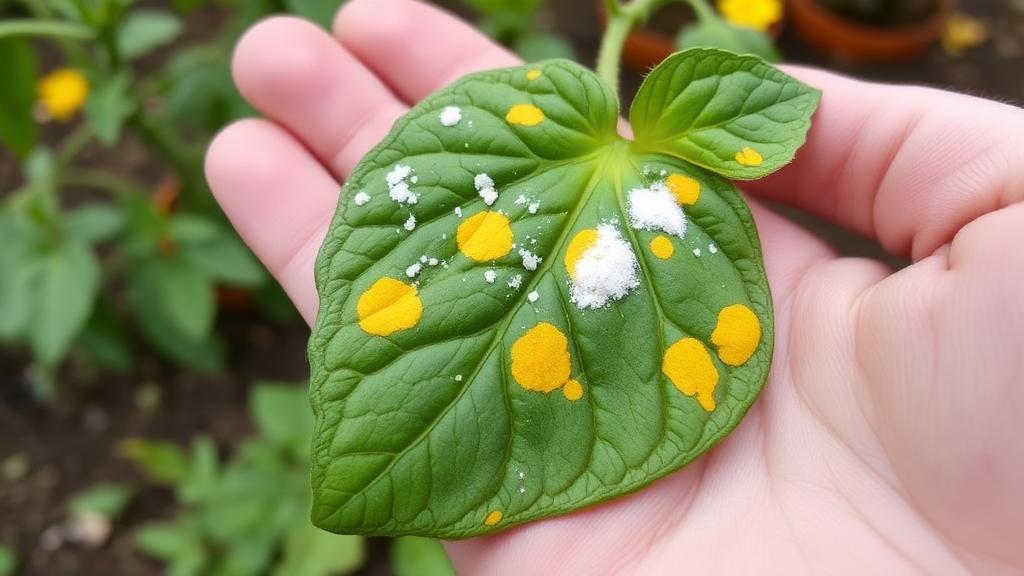
Garden plant diseases fall into three broad categories — fungal, bacterial, and viral — and they need different responses. Fungal problems often respond to fungicide and better airflow; bacterial problems generally do not respond to fungicide at all; viral infections have no cure and the only real response is removal to protect nearby plants.
Telling the categories apart
| Category | Typical symptoms | Spread pattern |
|---|---|---|
| Fungal | Spots with defined edges, powdery or fuzzy growth, rings, rust-coloured pustules | Spores via wind, water splash, tools |
| Bacterial | Water-soaked spots, often with yellow halos, ooze in wet conditions, foul smell in soft rot | Water splash, insects, contaminated tools |
| Viral | Mottled or mosaic discoloration, stunted or distorted growth, no spots with defined borders | Insects (especially aphids), contaminated tools, some seed-borne |
Fungal diseases: the most common and most treatable
Powdery mildew, early and late blight, and rust are common fungal problems in home gardens. They generally worsen in still, humid air and improve with better plant spacing, morning watering that lets foliage dry, and prompt removal of the worst-affected leaves. Copper or sulfur-based fungicides can slow spread if applied early, though they rarely reverse existing damage.
Bacterial diseases: prevention matters more than treatment
Bacterial spot, bacterial wilt, and soft rot spread through water splash and wounds, and there is no effective cure once a plant is infected. Avoiding overhead watering, disinfecting pruning tools between plants, and not working in wet foliage are the main preventive measures, since chemical treatment options are limited and often ineffective.
Viral diseases: remove and move on
Mosaic viruses and similar infections cause mottled leaf colour, twisted new growth, and stunted fruiting, and no treatment cures an infected plant. Removing and disposing of (not composting) infected plants promptly, and controlling the aphids or other insects that commonly spread viruses, are the only effective responses.
General prevention that covers all three categories
- Space plants for airflow rather than maximum density.
- Water at the soil line rather than overhead, especially in humid climates.
- Rotate crop families year to year to break disease cycles that persist in soil.
- Remove and discard, rather than compost, any diseased plant material.
- Choose disease-resistant varieties where available, especially for crops with a known local disease pressure.
Environmental conditions that favor each category
Fungal disease pressure rises with humidity, poor airflow, and wet foliage lingering overnight, which is why morning watering and adequate plant spacing are the two most effective preventive habits for the largest disease category. Bacterial disease spreads fastest through splashing water and physical wounds from insects, hail, or careless handling, while viral spread tracks closely with the population of the insect vectors, usually aphids, that carry it between plants.
A simple decision sequence
- Look for spots with sharp, defined edges and any powdery or fuzzy surface growth — likely fungal.
- Look for water-soaked lesions, yellow halos, or a foul smell in soft tissue — likely bacterial.
- Look for mottled or mosaic color patterns and distorted new growth with no clear spot borders — likely viral.
- If uncertain, isolate or remove the plant rather than guessing with a broad-spectrum treatment.
When to bring in a sample for diagnosis
If a disease is spreading fast across multiple plants or crops and the symptoms don't clearly match one category, a local extension office can often identify it from a fresh sample far more reliably than guesswork, and catching a serious outbreak early can save the rest of the garden from exposure.
Common mistakes
- Applying fungicide to a bacterial problem, which does nothing and delays the removal that would have limited spread.
- Composting diseased material in a home pile that never reaches disease-killing temperatures.
- Assuming any yellowing or spotting is automatically disease rather than checking for nutrient or watering causes first.
- Reusing pruning tools across plants without disinfecting between cuts during an active outbreak.
Common named diseases by crop family
| Crop | Common disease | Category |
|---|---|---|
| Tomato | Early blight (Alternaria solani) | Fungal |
| Tomato | Late blight (Phytophthora infestans) | Fungal (oomycete) |
| Tomato | Bacterial spot / speck | Bacterial |
| Cucurbits | Powdery mildew | Fungal |
| Cucurbits | Bacterial wilt (spread by cucumber beetle) | Bacterial |
| Brassicas | Clubroot | Fungal (soil-borne, persists for years) |
| Cucurbits/beans | Mosaic virus | Viral |
Recognizing these by name matters because the response differs even within one category: late blight spreads explosively in cool, wet weather and can take down a planting within days, justifying prompt removal of infected plants even under a fungal-disease strategy that would otherwise favor a wait-and-monitor approach. Bacterial wilt in cucurbits is worth naming specifically because its vector — the striped or spotted cucumber beetle — is the actual control target; killing the beetle population early in the season with row cover during flowering prevents the wilt far more effectively than any treatment applied after wilting symptoms appear.
Can I compost diseased plant material?
Not in a typical home compost pile, since most home heaps do not reliably reach the sustained high temperatures needed to kill fungal spores, bacteria, or viral particles. Bag and dispose of it instead.
Is yellowing always a sign of disease?
No — nutrient deficiency, overwatering, and normal lower-leaf senescence all cause yellowing too. Look for accompanying spots, patterns, or wilting before assuming disease.
Do resistant varieties mean a plant can never get that disease?
No — resistance means reduced severity or slower progression, not complete immunity. Resistant varieties can still show mild symptoms under heavy disease pressure.
Should I remove an entire plant or just the affected leaves?
For localized fungal spotting, removing affected leaves is often enough; for bacterial wilts, viral infections, or advanced fungal disease that has spread through the plant, remove the whole plant to protect its neighbors.
Can healthy-looking neighboring plants already be infected?
Yes, especially with viral disease, which can have a symptomless incubation period. If one plant in a row shows clear viral symptoms, watch its immediate neighbors closely over the following two weeks.
Run the numbers for your own project
- Plant Watering CalculatorHow often and how much should I water this plant?
- Soil Amendment and pH CalculatorHow much lime or sulfur do I need to fix my soil pH?
Keep reading
- Starting Your First Vegetable Garden Without Wasting a SeasonMost first gardens fail for reasons that have nothing to do with a green thumb. Here are the five that matter.
- Building Soil That Actually Grows ThingsFeeding plants is a short-term fix. Feeding the soil is what makes a garden easy.
- Reviving a Tired Lawn: A Season-Long PlanA thin lawn is a symptom. Treating the symptom with more seed is why it keeps coming back.