How Do You Build a Rain Garden to Fix a Soggy Yard?
By Jim Vernon · 8 min read · Last updated
Stop fighting that muddy, unusable low spot in your lawn and turn it into a hardworking, self-watering landscape feature that naturally absorbs roof runoff.
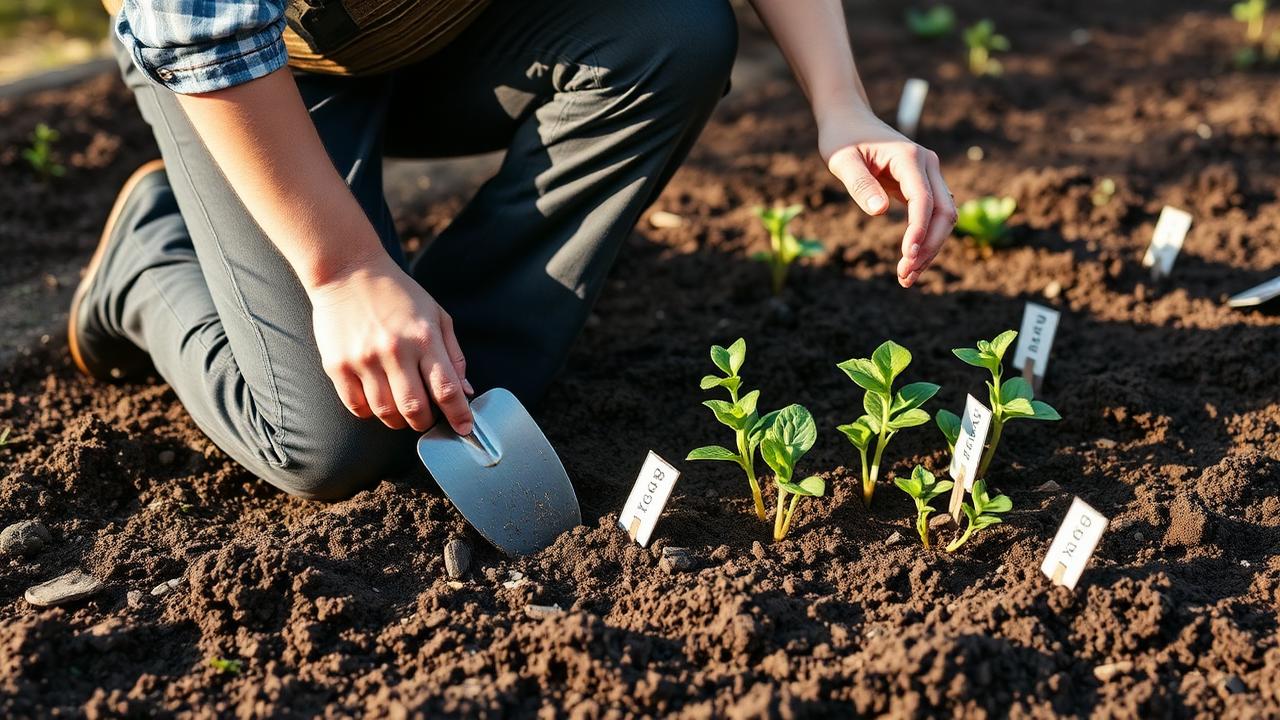
A rain garden is a shallow, purposefully planted depression that captures stormwater runoff from roofs, driveways, or patios and allows it to soak into the earth within 24 to 48 hours. To build one, you excavate a flat-bottomed basin 4 to 8 inches (10 to 20 cm) deep, locate it at least 10 feet (3 m) away from your home's foundation, amend the soil with sand and compost for rapid drainage, and install deep-rooted native perennials. When executed properly, this completely eliminates standing yard water, reduces the strain on municipal storm sewers, and creates a thriving habitat for local pollinators. Depending on your soil type, expect to spend between $300 and $500 in 2026 for a typical 100-square-foot (9.2 sq m) DIY installation, covering soil amendments, mulch, and native plant plugs. Rather than trying to fight water with complex, clog-prone underground plastic tanks, a well-designed rain garden works with gravity and biology to solve poor yard drainage permanently.
- Place the rain garden at least 10 feet (3 m) from your foundation and 25 feet (7.6 m) from septic fields to prevent structural damage or system flooding.
- Perform a percolation test before digging; soil must drain at least 0.5 inches (1.2 cm) per hour, or you must amend it heavily.
- Dig the basin with a perfectly flat bottom, not a bowl shape, to maximize the surface area for water infiltration.
- Use a bioretention soil mix of 50 percent coarse sand, 25 percent compost, and 25 percent topsoil if your native yard is heavy clay.
- Plant native species in three specific moisture zones: wet-tolerant plants in the center basin, adaptable plants on the slopes, and drought-tolerant plants on the perimeter rim.
Where is the safest place in my yard to put a rain garden?
Location is the most critical factor in a successful rain garden. It must sit between the runoff source, such as a downspout, and the lowest point in your yard, but it cannot be placed right against your house. You must position the garden at least 10 feet (3 m) away from a basement or crawlspace foundation, and 25 feet (7.6 m) away from a septic system drain field. Placing it too close to these structures will drive concentrated stormwater directly into your basement or flood your septic laterals.
Choose an area that receives at least six hours of full sun a day if possible, as this encourages evaporation and broadens your plant choices. Avoid digging under the canopy of mature trees to prevent severing their roots. Always call 811 to have public utility lines marked before choosing your final site, ensuring you steer clear of buried gas, water, or electrical lines.
How do I test my soil to make sure it will actually drain?
A common failure mode for first-time builders is skipping the percolation (perc) test in heavy clay soil. If the ground cannot absorb water, you aren't building a rain garden; you are building a stagnant mosquito breeding pond. To test your soil's natural drainage rate, dig a hole 12 inches (30 cm) deep and 12 inches wide in your planned location.
Fill the hole with water and let it drain completely to saturate the surrounding earth. Immediately fill it a second time up to the top. Check the water level with a tape measure every hour. For a rain garden to function properly without installing an underdrain pipe, the water level must drop by at least 0.5 inches (1.2 cm) per hour. If it drains slower than this, you will need to dig deeper and replace the native soil with a highly porous soil mix.
How big and how deep should a residential rain garden be?
Your rain garden should be sized according to the square footage of the roof or driveway feeding it. A general rule is to make the garden 10 to 20 percent of the drainage area's size. For example, if a downspout handles runoff from a 500-square-foot (46.4 sq m) section of your roof, a 50- to 100-square-foot (4.6 to 9.2 sq m) rain garden will be adequate.
The ideal depth of the basin is between 4 and 8 inches (10 to 20 cm) below the surrounding lawn. If your yard slope is nearly flat (less than 4 percent), a 4-inch depth works best. If the slope is steeper (5 to 7 percent), excavate to 6 or 8 inches. Do not dig deeper than 8 inches, as this can cause water to pool for longer than 48 hours, which stresses the plants and risks insect breeding.
What is the best soil mix to guarantee fast drainage?
If your perc test revealed slow-draining clay, you cannot plant directly into the excavated dirt. You must remove the native soil and replace it with a specialized bioretention mix. The standard recipe used by landscape architects is 50 percent washed coarse sand (not fine play sand), 25 percent high-quality leaf compost, and 25 percent topsoil.
This specific ratio provides the rapid drainage characteristics of sand while retaining enough organic matter and nutrients from the compost and topsoil to sustain vigorous plant growth. When purchasing materials, calculate the volume in cubic yards. A 100-square-foot garden excavated to an 8-inch depth will require about 2.5 cubic yards (1.9 cubic meters) of the replacement soil mix.
How do you properly dig and level the rain garden basin?
When excavating the site, define the perimeter with marking paint and remove the turf. Use the excavated dirt to build a gentle berm on the downhill side of the garden, ensuring water is trapped inside the basin rather than simply flowing over the top. Tamp this berm firmly so it won't wash away in the first heavy rain.
This is a classic judgement call a professional landscaper makes differently from a beginner. A beginner almost always digs the rain garden basin into a rounded bowl shape. A pro meticulously digs a perfectly flat, level bottom. If the bottom is a bowl, all the incoming water pools in the very center, drowning the lowest plants and ignoring the absorption capacity of the outer edges. Lay a straight 2x4 piece of lumber across the floor of your basin with a carpenter's level on top, scraping high spots until the entire floor is flat.
How do I direct downspout runoff into the rain garden?
You have two main options for moving water from your downspout to the rain garden: an underground pipe or an above-ground dry creek bed. An underground solid PVC or corrugated pipe is cleaner aesthetically. You trench it from the downspout to the garden edge, ensuring a downward slope of at least 1/4 inch per foot (2 cm per meter). Terminate the pipe just above the basin floor and place a splash block or a pile of river rocks at the exit to prevent the rushing water from scouring away your soil.
An above-ground dry creek bed is cheaper and easier to build. Dig a shallow, sloping trench lined with non-woven geotextile fabric and filled with 2-inch to 4-inch (5 to 10 cm) rounded river stone. This slows the water down before it hits the garden and acts as a decorative landscape feature even when dry.
Which plants survive both flooding and severe drought?
Rain garden plants face an extreme environment: they must survive being submerged in water for 24 hours, and then endure weeks of dry conditions during summer droughts. Native perennials with deep taproots are uniquely suited for this. You must organize your plants into three distinct moisture zones.
Zone 1 is the flat bottom of the basin, which stays wet the longest. Use highly moisture-tolerant species here, such as Swamp Milkweed, Blue Flag Iris, or Sedges. Zone 2 encompasses the sloping sides, which hold water briefly. Plant adaptable species like Purple Coneflower or Joe-Pye Weed. Zone 3 is the outer rim and berm, which rarely floods but dries out quickly. Select drought-tolerant natives like Black-eyed Susan or native ornamental grasses. Always match these choices to your specific USDA Hardiness Zone.
What maintenance does a new rain garden require?
For the first year, your rain garden is just like any newly planted bed. You must water it during dry spells with about 1 inch (2.5 cm) of water per week until the deep root systems establish. After the first year, native rain garden plants will not require supplemental watering.
Weed control is the primary ongoing task. Apply a 2-inch (5 cm) layer of double-shredded hardwood mulch immediately after planting to suppress weeds and retain soil moisture. Avoid pine bark nuggets; because they are light and chunky, they will float away the first time the garden fills with water. Inspect the inflow pipe or dry creek bed twice a year to clear out trapped leaves and sediment that could block water from entering.
- Water new plants deeply for the first growing season.
- Apply exactly 2 inches (5 cm) of heavy, double-shredded hardwood mulch.
- Never use floating mulch like pine bark nuggets or wood chips.
- Weed regularly by hand until mature plants form a dense canopy.
- Clear leaves and debris from the inflow pipe every autumn and spring.
| Planting Zone | Moisture Level | Function in Garden | Example Native Species (USDA Zones 3-9) |
|---|---|---|---|
| Zone 1 (Center Bottom) | Frequently submerged for 24-48 hours | Absorbs the largest volume of standing water | Swamp Milkweed, Blue Flag Iris, Cardinal Flower |
| Zone 2 (Sloped Sides) | Occasionally submerged during peak flow | Stabilizes the basin walls and filters incoming runoff | Purple Coneflower, Joe-Pye Weed, Bee Balm |
| Zone 3 (Perimeter/Berm) | Rarely wet, mostly dry | Creates a physical barrier to hold water in the basin | Black-eyed Susan, Switchgrass, Butterfly Weed |
Frequently asked questions
Will a rain garden breed mosquitoes in my yard?
No, a properly built rain garden will not breed mosquitoes. Mosquito larvae require 72 hours of standing water to hatch. A well-designed rain garden drains completely within 24 to 48 hours, leaving no habitat for mosquitoes to develop.
Can I put a rain garden over my septic field to absorb the water?
Absolutely not. Directing excess stormwater over a septic drain field will saturate the soil, preventing your home's wastewater from percolating. This will cause your septic system to fail and back up sewage into your house. Keep rain gardens at least 25 feet away.
Do I need a building permit to install a rain garden?
In most residential municipalities, digging a small DIY rain garden does not require a permit. However, if you are altering major drainage pathways near property lines, tapping into a neighborhood storm sewer, or disturbing more than 5,000 square feet of earth, you may need municipal approval. Always check local guidelines.
Can I use seeds instead of live plants to save money?
While cheaper, seeding a rain garden is rarely successful. The first major rainstorm will likely wash the seeds out of the basin or bury them under sediment before they can root. It is much better to invest in deep-rooted landscape plugs, which are small, inexpensive established plants that lock into the soil immediately.
Keep reading
- Starting Your First Vegetable Garden Without Wasting a SeasonMost first gardens fail for reasons that have nothing to do with a green thumb. Here are the five that matter.
- Building Soil That Actually Grows ThingsFeeding plants is a short-term fix. Feeding the soil is what makes a garden easy.
- Reviving a Tired Lawn: A Season-Long PlanA thin lawn is a symptom. Treating the symptom with more seed is why it keeps coming back.