Heatwave Garden Survival: What to Do and What to Skip
By Jim Vernon · 4 min read · Last updated
Panic-watering during a heatwave often does more harm than the heat itself.
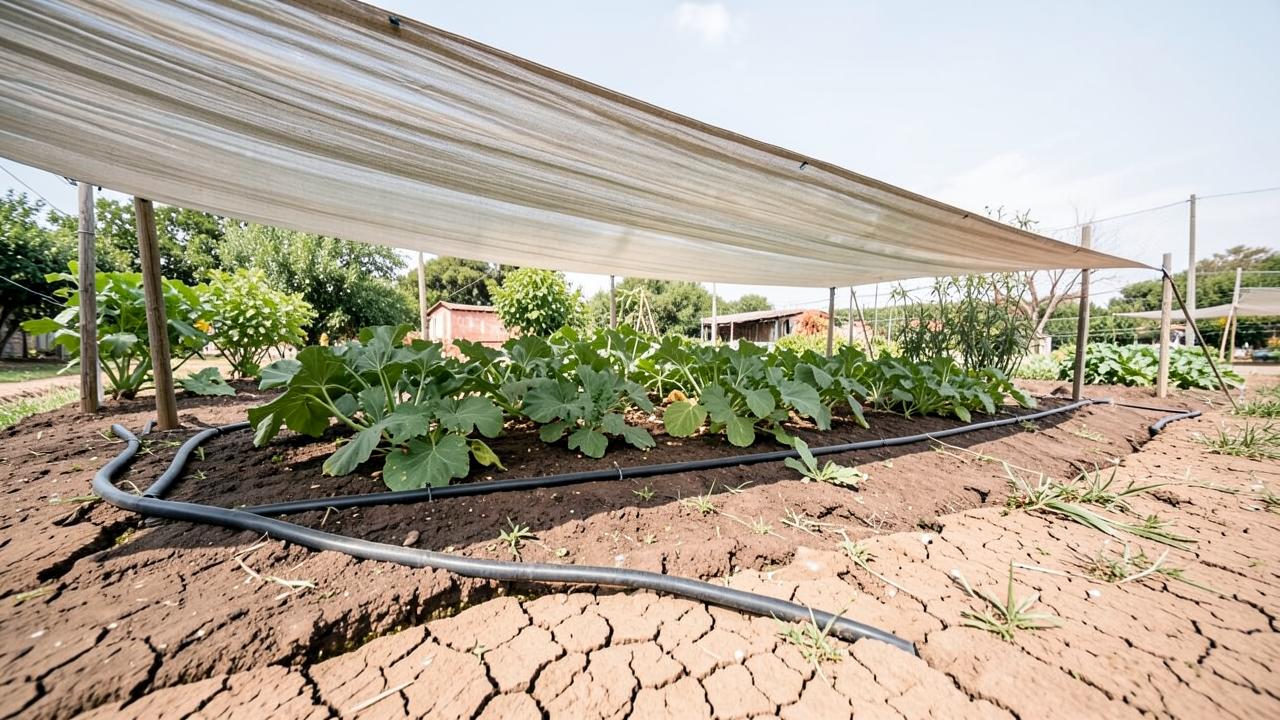
Getting a garden through a heatwave means watering deeply and early in the morning rather than lightly and often, providing temporary shade for the most heat-sensitive plants, and accepting that some wilting during peak afternoon heat is normal and not a sign of underwatering. Overreacting with midday watering or heavy pruning usually causes more stress than the heat itself.
Should I water more during a heatwave, and when?
Yes, but the timing matters more than the frequency. Water deeply in the early morning (5-9 a.m.) so moisture soaks down to the root zone before the day's heat drives evaporation, and so foliage that gets wet has all day to dry, reducing fungal disease risk. Avoid midday watering — much of it evaporates before reaching roots, and cold water on hot soil and leaves can shock plant tissue.
| Plant type | Heatwave watering adjustment | Signs of real stress vs. normal wilt |
|---|---|---|
| Vegetable garden beds | Increase depth, not frequency; mulch 2-3 in | Wilted at 2pm, recovered by 7pm = normal |
| Containers and hanging baskets | May need daily watering; they dry fastest | Wilted and still droopy the next morning = stressed |
| Lawn | Water deeply 1x/week if allowed; or let it go dormant | Footprints that don't spring back = needs water |
| Established trees and shrubs | Deep soak every 7-10 days during extreme heat | Leaf scorch (browning edges) = sun/heat damage, not thirst |
| New transplants (under 1 year) | Check daily; shallow roots dry fast | Wilted any time of day = likely needs water |
Why does wilting in the afternoon not always mean a plant needs water?
Many plants, especially squash, cucumbers, and other large-leafed vegetables, wilt during peak afternoon heat as a protective response — they reduce leaf surface exposure to slow water loss, then recover fully once temperatures drop in the evening. The real test is whether the plant is still wilted in the early morning before the sun hits it; morning wilting is the actual sign of water stress that needs addressing.
What temporary shade actually helps during extreme heat?
- Shade cloth (30-50% shade) draped over hoops or stakes protects vegetables and transplants during the hottest 2-3 hours of the day.
- An old bedsheet or umbrella propped over a single vulnerable plant works for a short heat spike.
- Mulch (2-3 inches of straw, wood chips, or shredded leaves) keeps soil temperature down and cuts evaporation dramatically — often the single highest-value heatwave prep.
- Moving container plants to a spot with afternoon shade, even temporarily, reduces stress on plants that can't be shaded in place.
What about lawns during extreme heat?
Cool-season lawns (fescue, bluegrass) often go dormant and brown during sustained heat above 90°F — this is a survival strategy, not death, and the lawn typically greens back up when temperatures moderate and rain returns. Watering just enough to keep it alive (about 1 inch every 10-14 days) rather than trying to keep it green uses far less water and doesn't stress the lawn with wet-dry cycling.
How does watering during a heatwave affect a water bill or restrictions?
Many municipalities impose watering restrictions during heatwaves and droughts, often limiting outdoor watering to specific days or early morning/evening hours. Mulching, deep infrequent watering, and prioritizing high-value plants (vegetables, new transplants) over lawn during restricted periods stretches an allotted watering window much further than trying to water everything equally.
How does heat affect garden pests and disease?
Spider mites thrive in hot, dry conditions and can go from unnoticed to a serious infestation within a week during a heatwave, since heat speeds up their reproduction cycle dramatically; check the undersides of leaves for fine webbing and stippled, dusty-looking foliage. Heat stress also makes plants more susceptible to fungal issues like powdery mildew once temperatures moderate and humidity rises again, since stressed tissue has weaker natural defenses. A strong jet of water on the undersides of leaves every few days helps knock back mite populations without adding pesticide stress to an already-struggling plant.
What long-term changes reduce heatwave stress in future years?
- Build organic matter into soil over time — compost-amended soil holds significantly more water than sandy or compacted soil, reducing how often anything needs watering during a heat spike.
- Install drip irrigation or soaker hoses, which deliver water directly to roots with far less evaporation loss than overhead sprinklers, especially valuable when heat and water restrictions overlap.
- Choose heat-tolerant varieties for future plantings in hot climates — many tomato varieties are bred specifically to set fruit above 90°F when standard varieties stop.
- Plant shade trees or install a permanent shade structure over the most heat-vulnerable garden beds if heatwaves are a recurring, not occasional, problem in your area.
How long can most vegetables survive a heatwave without extra water?
Established vegetables with mulched soil can often go 3-5 days into a heatwave on their normal watering schedule if soil moisture was good going in. New transplants and container plants have far less buffer and may need daily checks.
Is it worth running sprinklers to cool plants during the hottest part of the day?
Generally no — a brief midday overhead spray can help temporarily but wastes water to evaporation and can scorch wet leaves under intense direct sun. Deep morning watering and shade cloth are more effective uses of the same water.
Will a heatwave permanently stunt flowering or fruiting vegetables?
Sustained heat above about 90-95°F often causes tomatoes and peppers to drop blossoms and pause fruit set temporarily, but plants usually resume setting fruit once temperatures drop back into the 70s-80s, with no permanent damage if the plant itself stayed adequately watered.
Run the numbers for your own project
- Plant Watering CalculatorHow often and how much should I water this plant?
- Drip Irrigation PlannerHow many emitters and how long should my drip system run?
- What to Plant This MonthWhat can I plant right now where I live?
Keep reading
- Starting Your First Vegetable Garden Without Wasting a SeasonMost first gardens fail for reasons that have nothing to do with a green thumb. Here are the five that matter.
- Building Soil That Actually Grows ThingsFeeding plants is a short-term fix. Feeding the soil is what makes a garden easy.
- Reviving a Tired Lawn: A Season-Long PlanA thin lawn is a symptom. Treating the symptom with more seed is why it keeps coming back.