Growing Herbs Year-Round: Outdoor Beds, Windowsills, and Grow Lights
By Jim Vernon · 5 min read · Last updated
A windowsill herb pot in winter is usually a slow-motion failure. Here is what actually keeps herbs alive past the first frost.
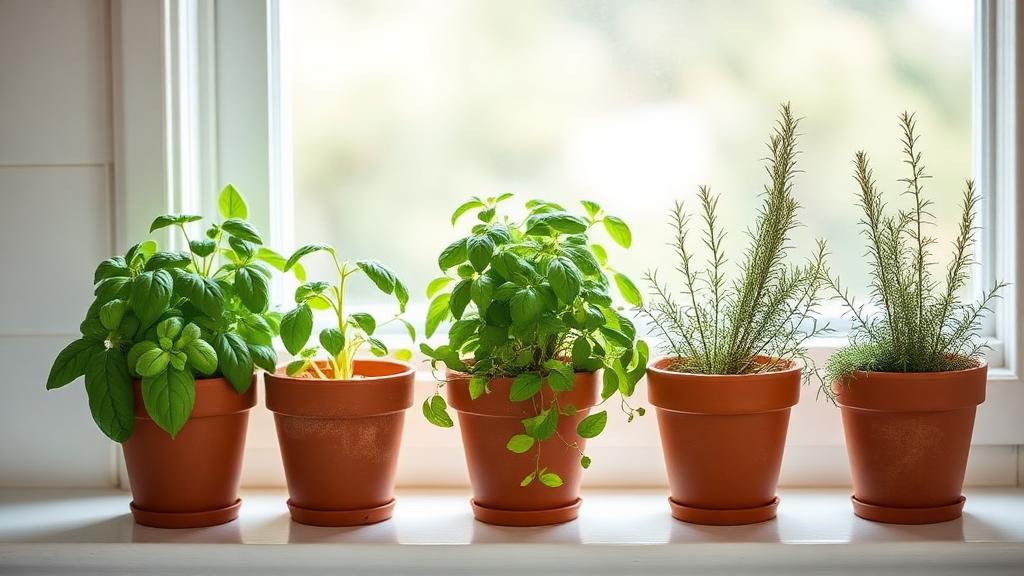
Herbs split into two rough groups for year-round growing: perennials that can overwinter outdoors with protection, and tender annuals or tropicals that need to come inside or be restarted from seed each year. Treating them the same way is the most common reason indoor herb pots die by January.
Perennial herbs that survive outdoors with mulch
- Thyme, sage, oregano, and chives tolerate freezing temperatures once established and mostly need a mulch layer over the crown for extra protection.
- Rosemary is borderline in colder climates and often needs to come indoors or into an unheated garage over winter.
- Mint spreads aggressively and survives outdoors almost everywhere it is planted — the challenge with mint is containment, not survival.
Herbs that must move indoors or restart from seed
| Herb | Winter strategy | Notes |
|---|---|---|
| Basil | Restart from seed or cutting indoors | Frost kills it outright; does not overwinter well even indoors |
| Parsley | Biennial; often restarted each spring | Can survive a mild winter under cover |
| Cilantro | Succession sow; bolts in heat | Poor windowsill plant year-round due to fast bolting |
| Bay laurel | Bring pot indoors or to a cool porch | Tolerates low light better than most herbs |
| Lemongrass | Bring indoors as a houseplant | Tropical; will not survive frost |
Why windowsills usually fail herbs in winter
Winter daylight through glass is both shorter and weaker than the same window in summer, and most kitchen windowsills fall well short of the 6+ hours of strong light most culinary herbs want. Plants respond by stretching, going pale, and producing thin, weak-flavoured leaves rather than dying outright, which makes the problem easy to miss until the harvest disappoints.
Bringing outdoor pots inside for winter
- Inspect for pests and rinse foliage before bringing pots indoors, since indoor conditions let infestations explode unchecked.
- Move plants indoors before the first frost, not after — a sudden hard frost can damage even cold-tolerant herbs in pots, which are more exposed than the same plant in ground.
- Reduce watering frequency indoors, since growth slows in lower light and overwatering becomes the main risk.
- Expect a period of leaf drop as the plant adjusts to lower indoor light; this is normal, not necessarily a sign of a dying plant.
Worked example: sizing a windowsill grow light
A typical kitchen windowsill tray holding four to six herb pots is well served by a single 20-24 inch LED grow light strip mounted 6-8 inches above the foliage, run on a timer for 12-14 hours a day. That combination roughly replaces the light intensity and duration of a bright summer window, which is what most culinary herbs actually need to stay compact and flavourful through winter.
Common mistakes with year-round herbs
- Treating basil as a permanent houseplant instead of restarting it from cuttings or seed each cool season.
- Leaving potted herbs outside past the first hard frost warning, assuming they have more cold tolerance than they do.
- Keeping indoor herbs on the same watering schedule used outdoors in summer, leading to root rot in low-light winter conditions.
- Skipping a pest check before bringing outdoor pots inside, which lets aphids or spider mites spread to other houseplants.
- Crowding too many pots onto one small windowsill, reducing airflow and light reaching the inner plants.
Propagating herbs from cuttings for winter stock
Many soft-stemmed herbs, including basil, mint, and oregano, root readily from a 4-6 inch cutting placed in a glass of water on a bright windowsill, developing visible roots within 1-2 weeks. Taking cuttings in late summer, before frost threatens the parent plant outdoors, gives rooted starts ready to pot up for a winter windowsill or grow-light setup instead of restarting entirely from seed.
Comparing propagation methods
| Method | Best herbs | Time to usable plant |
|---|---|---|
| Water cutting | Basil, mint, oregano | 2-4 weeks |
| Division of an outdoor clump | Chives, oregano, mint | Immediate, some transplant shock |
| Seed | Basil, cilantro, parsley | 4-8 weeks to a harvestable size |
Worked example: stocking a winter herb shelf
For a household that uses basil, chives, and parsley regularly through winter, take 4-5 basil cuttings in late August, divide one outdoor chive clump into two pots before the first frost, and sow a tray of parsley 6-8 weeks ahead of the date fresh herbs are needed. Staggering the start dates this way means something is usable on the shelf within a few weeks rather than waiting on all three at once.
Zone matters more than the plant tag suggests
A rosemary tagged hardy to zone 7 will overwinter outdoors with no protection in coastal zone 8-9 gardens, sulk through zone 6 with a thick mulch and a south-facing wall for reflected heat, and simply die in an unprotected zone 5 winter. Thyme and sage are more forgiving down to zone 4-5 provided drainage is sharp, since wet feet in freezing soil kills these Mediterranean natives faster than the cold itself does. Gardeners in zone 6 and colder who want rosemary as a genuine perennial rather than an annual are usually better off keeping it in a pot that comes indoors each winter than betting on in-ground survival, since even one unusually hard cold snap below the plant's rated tolerance can kill an otherwise-established specimen overnight.
Can rosemary survive winter outdoors?
In milder climates, yes, especially with a thick mulch layer. In colder regions with hard freezes, potted rosemary should come indoors or into an unheated but frost-free space.
Why does my indoor basil keep dying?
Basil is frost-tender and also dislikes cold drafts and low light. It rarely thrives long-term as a windowsill plant through winter; treat it as a crop to restart from seed or cuttings rather than a permanent houseplant.
Do herbs need less water indoors?
Generally yes, because growth and light are both reduced. Let the top inch of soil dry before watering again rather than keeping to a summer outdoor schedule.
Can I keep herbs going with only a windowsill and no grow light?
It's possible for hardier herbs like chives or thyme in a very bright south-facing window, but most culinary herbs, especially basil, decline noticeably without supplemental light through winter.
How often should I harvest indoor herbs in winter?
Lightly and less often than outdoors in summer — growth slows considerably in lower light, so harvesting a third of the plant at once instead of a light trim can set it back for weeks.
Run the numbers for your own project
- Grow Light CalculatorHow high and how long should my grow light run?
- Plant Watering CalculatorHow often and how much should I water this plant?
Keep reading
- Starting Your First Vegetable Garden Without Wasting a SeasonMost first gardens fail for reasons that have nothing to do with a green thumb. Here are the five that matter.
- Building Soil That Actually Grows ThingsFeeding plants is a short-term fix. Feeding the soil is what makes a garden easy.
- Reviving a Tired Lawn: A Season-Long PlanA thin lawn is a symptom. Treating the symptom with more seed is why it keeps coming back.