Growing Garlic: Fall Planting to Summer Harvest
By Jim Vernon · 5 min read · Last updated
Garlic is one of the few vegetables planted in fall for a summer harvest — miss the window and you lose a full year.
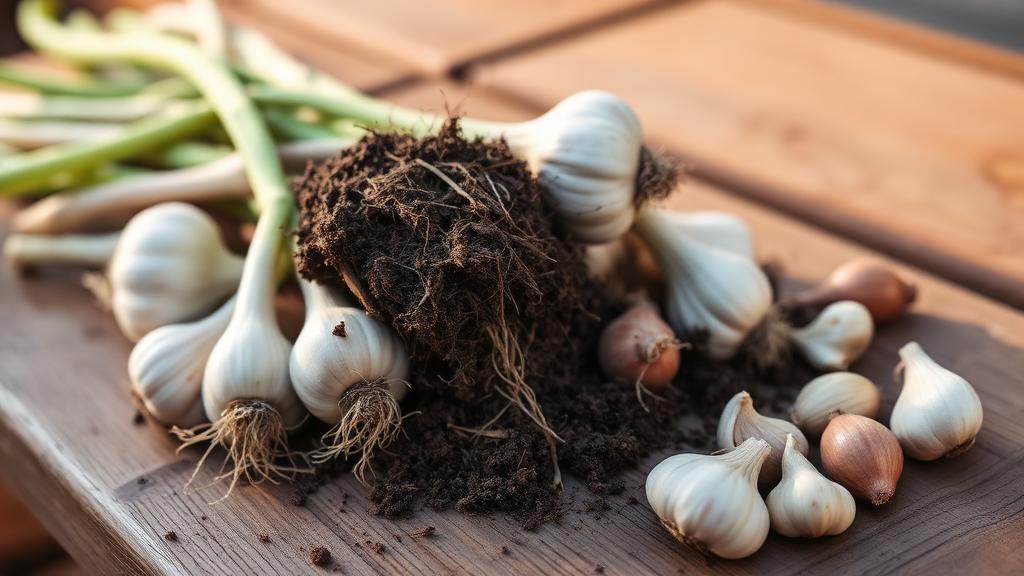
Garlic needs a cold period to divide into cloves and form a proper bulb, which is why it is planted in the fall rather than spring like most vegetables. Skipping the fall planting window generally means waiting until the following fall rather than trying again a few weeks later.
Hardneck vs softneck
| Type | Cold hardiness | Storage life | Notes |
|---|---|---|---|
| Hardneck | Very cold hardy | 4-6 months | Produces edible flower stalks (scapes); fewer, larger cloves |
| Softneck | Milder winters | 6-12 months | More cloves per bulb; the type usually sold braided |
When to plant
Plant garlic 4-6 weeks before the ground freezes solid, which gives roots time to establish before winter dormancy without pushing much top growth. In milder climates without a hard freeze, garlic is generally planted in mid-to-late fall and still benefits from the cool winter period.
Planting method
- Break bulbs into individual cloves just before planting, leaving the papery skin on each clove intact.
- Plant cloves pointed end up, 2 inches deep, spaced 4-6 inches apart in rows 12 inches apart.
- Water in, then mulch with 3-4 inches of straw once the ground begins to cool, to buffer temperature swings.
- Remove or thin heavy mulch in early spring so shoots can emerge without struggling through it.
Knowing when to harvest
Harvest when the lower third to half of the leaves have yellowed and dried while the upper leaves are still green — pulling too early gives small, papery-skinned bulbs that store poorly, while waiting too long lets the bulb wrappers split and separate in the soil.
Curing determines storage life
After harvest, cure whole bulbs (with stems and roots intact, unwashed) in a warm, dry, shaded, well-ventilated spot for 2-4 weeks. This dries the outer wrappers and neck into a protective seal. Only after curing should stems be trimmed and bulbs moved to long-term storage.
Worked example: how many cloves for a bed
A 4x8 foot bed planted at 6-inch spacing in rows 12 inches apart fits roughly 8 rows of 8 cloves, or about 64 cloves per bed. A single softneck bulb yields 10-12 cloves, so plan on 5-7 bulbs of seed garlic to fill that bed, plus a couple extra bulbs in reserve for any cloves that fail to sprout.
Common mistakes
- Planting cloves too shallow, leaving them exposed as soil settles or heaves over winter.
- Harvesting too early out of impatience, before the lower leaves have started to yellow.
- Skipping the cure and moving straight to storage, which shortens shelf life considerably.
- Leaving hardneck scapes uncut, which diverts energy from bulb growth into seed production.
- Storing cured garlic in the refrigerator, which triggers early sprouting.
Soil preparation before planting
Garlic performs best in loose, well-drained soil enriched with compost worked in before planting, since heavy or waterlogged soil promotes bulb rot over the long winter dormancy. Raised beds are a common solution in areas with heavy clay or poor drainage, since they warm and drain faster than in-ground plantings.
Feeding garlic through spring
- Garlic resumes active growth as soil warms in early spring and benefits from a nitrogen feeding at that point, not at fall planting.
- Stop nitrogen feeding by late spring once bulbing begins, since continued nitrogen delays bulb formation.
- A side-dress of compost in early spring is usually enough without additional synthetic fertilizer for most home garden soil.
Comparing garlic to other fall-planted alliums
| Crop | Planting season | Time to harvest |
|---|---|---|
| Garlic | Fall | 8-9 months |
| Shallots | Fall (mild climates) or spring | 4-5 months from fall planting |
| Egyptian walking onions | Fall | Perennial, harvest bulbs and greens ongoing |
Worked example: timing a fall planting
In a climate where the ground typically freezes hard by early December, planting garlic in mid-to-late October gives roughly 5-6 weeks of root establishment before dormancy sets in. Planting much earlier risks excessive top growth that gets damaged by early frost, while planting later than a few weeks before the ground freezes gives roots too little time to establish, leading to weaker spring growth.
Matching a cultivar to your winter
Not every named garlic performs the same everywhere. German Extra Hardy and Music are porcelain-type hardnecks that tolerate hard, prolonged freezes well and are common choices in zone 3-5 gardens; Chesnok Red and Persian Star (purple stripe types) do well through zone 6-7 with reliably large cloves and good flavor. In milder zones 7-9 without a deep winter chill, softnecks such as Inchelium Red or California Early are better suited, since some hardneck varieties need a longer, colder dormancy to divide properly and can produce poorly-formed bulbs with only a mild winter. Buying seed garlic from a supplier in a climate similar to your own, rather than an unlabeled bulb from a grocery shelf, is the single best predictor of a strong first crop.
Can I plant grocery store garlic instead of seed garlic?
It can work, but grocery garlic is sometimes treated to inhibit sprouting and is rarely suited to the local climate the way seed garlic from a specialist supplier is bred to be.
What happens if I miss the fall planting window?
Spring planting is possible but usually produces smaller bulbs, since the cloves miss most of the cold period needed to divide properly.
How do I store cured garlic long term?
Cool, dry, and dark with good airflow — a mesh bag in a pantry, not the refrigerator, which encourages premature sprouting.
How much garlic should I save for replanting next fall?
Set aside your largest, healthiest bulbs — roughly 10-15% of the harvest — as next year's seed garlic rather than buying fresh stock every year.
Why are my garlic bulbs small?
Small bulbs usually trace back to overcrowded spacing, cloves planted too late in fall to establish roots, or scapes left uncut on hardneck varieties.
Run the numbers for your own project
- Raised Bed Soil CalculatorHow much soil do I need to fill my raised bed?
- Mulch CalculatorHow much mulch do I need for my beds?
Keep reading
- Starting Your First Vegetable Garden Without Wasting a SeasonMost first gardens fail for reasons that have nothing to do with a green thumb. Here are the five that matter.
- Building Soil That Actually Grows ThingsFeeding plants is a short-term fix. Feeding the soil is what makes a garden easy.
- Reviving a Tired Lawn: A Season-Long PlanA thin lawn is a symptom. Treating the symptom with more seed is why it keeps coming back.