Cool-Season vs Warm-Season Crops: Building a Garden Around Two Calendars
By Jim Vernon · 5 min read · Last updated
A vegetable garden is really two overlapping gardens on two different schedules. Confusing the two is why half the crops underperform every year.
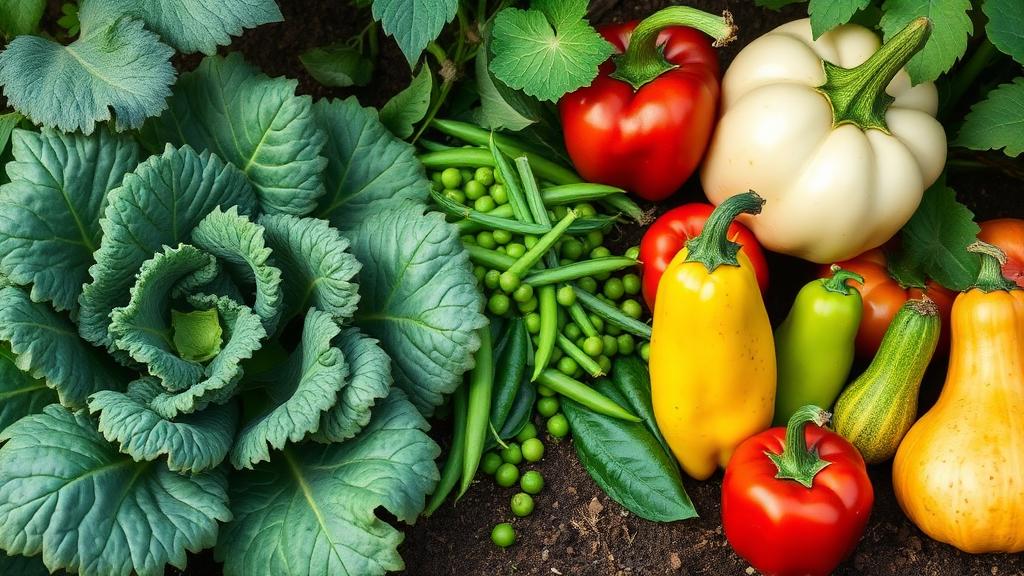
Vegetables split broadly into cool-season crops that thrive in the mild temperatures of spring and fall, and warm-season crops that need consistent heat to grow well and will stall or die back in cold soil. Planting either group at the wrong time of year is a common, avoidable cause of poor yields.
Cool-season crops
- Tolerate light frost and can be planted several weeks before the last spring frost date.
- Bolt (go to seed prematurely) in sustained heat, which ruins flavour and stops leaf or root production.
- Include lettuce, spinach, peas, broccoli, cabbage, kale, radishes, and carrots.
- Often grow a second time in fall as temperatures drop back into their preferred range.
Warm-season crops
- Are damaged or killed by frost and should not go outside until after the last frost date.
- Need consistently warm soil to germinate or establish, which is why an early warm-season planting often just sits without growing.
- Include tomatoes, peppers, squash, cucumbers, beans, corn, and melons.
- Generally need the full frost-free window to mature and are planted only once per season.
A simplified seasonal layout
| Period | What's growing | What to plant |
|---|---|---|
| 6-4 weeks before last frost | Overwintered garlic, cold-hardy greens under cover | Start cool-season transplants indoors |
| 2-4 weeks before last frost | Early cool-season direct-sow | Peas, spinach, lettuce, radishes outdoors |
| After last frost | Cool-season crops finishing | Warm-season transplants and direct-sown beans, squash |
| 6-8 weeks before first fall frost | Warm-season crops at peak | Second round of cool-season crops for fall harvest |
Using both calendars to fill a bed twice
A single bed can run a cool-season crop in early spring, a warm-season crop through summer, and a second cool-season crop in early fall, effectively tripling that bed's productive use of the season instead of leaving it to one warm-season crop from May to frost.
Planning both calendars in order
- Mark your average last and first frost dates for the year.
- Schedule cool-season direct sowing and transplanting starting several weeks before the last frost.
- Hold warm-season transplants until after the last frost and soil has warmed.
- Plan a second cool-season sowing timed to mature before the first fall frost.
- Track actual soil temperature with a simple soil thermometer rather than relying on the calendar date alone.
Common mistakes
- Transplanting warm-season crops based on calendar date while soil is still cold.
- Planting cool-season crops too late in spring, so they mature right as heat arrives and bolt.
- Forgetting a second cool-season planting window in early fall.
- Assuming row cover fixes cold soil for warm-season transplants.
- Mixing cool- and warm-season crops in one bed without accounting for their different timing needs.
Season extension bridges the gap between calendars
Row cover, cold frames, and low tunnels let a gardener push cool-season crops earlier in spring and later into fall by buffering several degrees of frost, effectively widening the cool-season window on both ends without changing what the crop itself tolerates. This overlap is where most of the extra harvest weeks in a well-planned garden actually come from.
Regional variation in the two calendars
| Climate type | Cool-season window | Warm-season window |
|---|---|---|
| Short-season / northern | Narrow, spring and fall overlap closely | Short, single planting only |
| Long-season / southern | Wide, often a full fall-to-spring cool season | Long, sometimes two plantings possible |
| Hot summer regions | Compressed into early spring and fall only | Extended, but heat can stall fruit set at peak summer |
Worked example: a longer-season garden
In a region with a last frost of April 10 and a first fall frost of November 5, the frost-free warm-season window runs nearly seven months, long enough for two successive plantings of a fast warm-season crop like bush beans. The same region's cool season effectively runs from early March through early April and again from mid-September through November, giving room for two full rounds of quick cool-season crops rather than one squeezed into a short spring window.
Microclimates shift both calendars within one yard
A south-facing bed against a wall can run 5-10°F warmer than an open bed 20 feet away, letting warm-season transplants go in a week or two earlier and cool-season crops bolt a week or two sooner as the same spot heats up in early summer. Low-lying areas where cold air pools are frost-prone well after the official last frost date for the region, making them a poor choice for the earliest warm-season plantings even though the calendar says it's safe. Mapping these pockets — the warm wall, the low frost trap, the spot that stays shaded and cool longest into spring — and assigning crops to them deliberately gets more useful weeks out of both calendars than treating the whole yard as one uniform zone.
Can I plant warm-season crops early under row cover?
Row cover raises air temperature a few degrees but does not fix cold soil, so warm-season crops planted too early under cover still tend to stall until the ground warms.
Why did my spinach bolt so fast?
Spinach bolts in response to both heat and long summer daylight hours. Plant it early enough to mature before the days lengthen and warm, or again in late summer as days shorten.
Do all warm-season crops need the same amount of heat?
No — beans and summer squash tolerate cooler soil than melons and okra, which are among the most heat-demanding common garden crops.
How do I check soil temperature without a special tool?
An inexpensive soil or meat thermometer inserted a couple of inches deep gives a reliable enough reading; check it at the same time of day for a few days to get a stable average.
Can I grow both cool- and warm-season crops in the same bed in one year?
Yes — a cool-season crop in early spring followed by a warm-season crop through summer, and often a second cool-season crop in fall, is a standard way to get three harvests from one bed.
Run the numbers for your own project
- Seed Starting Schedule CalculatorWhen should I start my seeds indoors?
- Raised Bed Soil CalculatorHow much soil do I need to fill my raised bed?
Keep reading
- Starting Your First Vegetable Garden Without Wasting a SeasonMost first gardens fail for reasons that have nothing to do with a green thumb. Here are the five that matter.
- Building Soil That Actually Grows ThingsFeeding plants is a short-term fix. Feeding the soil is what makes a garden easy.
- Reviving a Tired Lawn: A Season-Long PlanA thin lawn is a symptom. Treating the symptom with more seed is why it keeps coming back.