Cold Frames vs. Row Covers: Which Extends Your Season?
By Jim Vernon · 5 min read · Last updated
A $15 roll of row cover can push your harvest 3-4 weeks past the first fall frost with almost no setup.
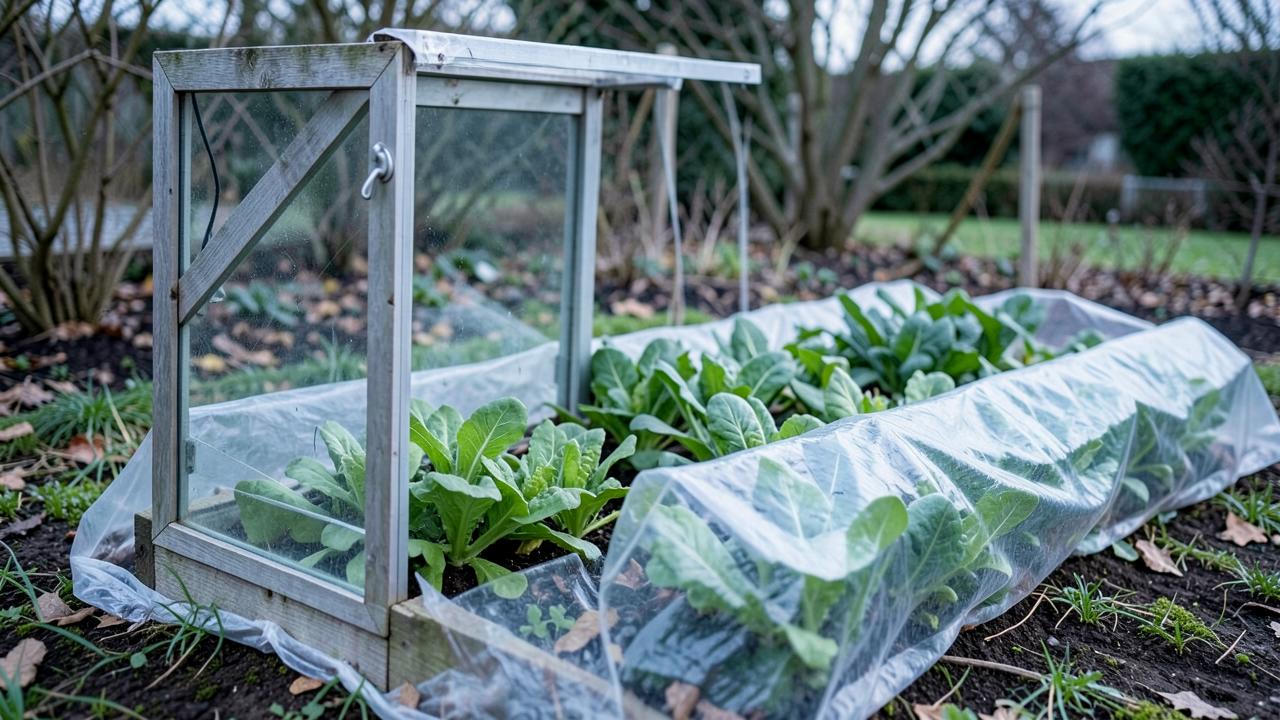
Row covers are lightweight fabric draped directly over plants or hoops, giving roughly 4-8°F of frost protection at low cost and minimal setup; cold frames are boxed, glazed enclosures that trap more heat, often 10-20°F above outside air, and suit hardening off seedlings, overwintering greens, or starting crops weeks before the ground would otherwise allow it. Choosing between them mostly comes down to how much protection you need and how much you're willing to build.
How much protection does each option actually give?
| Method | Typical temp gain | Cost (DIY, per 4x8 area) | Best use |
|---|---|---|---|
| Lightweight row cover (0.5 oz) | 2-4°F | $10-20 | Insect and light frost protection during growing season |
| Medium row cover (1.0-1.5 oz) | 4-8°F | $15-30 | Extending harvest 3-4 weeks past first/before last frost |
| Cold frame (glazed box) | 10-20°F | $40-150 DIY | Hardening off seedlings, overwintering hardy greens |
| Low tunnel (hoops + plastic) | 8-15°F | $25-60 | Season extension over a full row, more headroom than row cover alone |
When should row covers go on and come off?
Lay lightweight row covers over new transplants or direct-sown seeds anytime for insect protection — they let light and water through and don't need removal for that purpose. For frost protection, put covers on in early fall once nighttime lows start approaching your area's average first frost date, and remove or vent them on sunny days above roughly 65-70°F to prevent overheating, especially with heavier fabric or when covers are sealed tight to the ground.
How do you build and manage a cold frame?
- Build or place a bottomless box, roughly waist to knee height, with a clear glazed lid (old window, twinwall polycarbonate, or greenhouse plastic on a frame) hinged for easy opening.
- Face the lid's slope toward the sun's low winter angle (south in the Northern Hemisphere) to maximize heat capture.
- Vent by propping the lid open a few inches on sunny days above 45-50°F outside temperature — cold frames overheat fast even in cold weather because sealed glazing traps solar gain.
- Close fully in late afternoon to retain the day's stored heat overnight.
- Add a layer of mulch or a light frost blanket inside on the coldest nights for extra buffer.
Can these tools push planting earlier in spring, not just later in fall?
Yes — both work in both directions. A cold frame lets you start cold-hardy crops like spinach, lettuce, and kale several weeks before your last frost date, since the enclosure buffers overnight lows enough to protect young plants. Row covers over direct-sown peas, spinach, or carrots let you sow 2-3 weeks earlier than open-ground planting would allow, though germination is still governed by soil temperature, which covers warm only modestly compared to a cold frame or black plastic mulch.
Which crops respond best to season extension?
- Leafy greens (spinach, lettuce, kale, mustard) tolerate the reduced light and cool temperatures inside covers and frames well into fall and, in mild-winter zones, through winter.
- Root crops (carrots, beets) can be left in the ground under heavy mulch or row cover and harvested through early winter in many zones.
- Brassicas (broccoli, cabbage) benefit from row cover mainly for insect exclusion and modest frost buffering, extending fall harvest by a few weeks.
- Warm-season crops (tomatoes, peppers, squash) get a smaller benefit — a row cover might buy one or two extra weeks in fall, but a hard freeze ends them regardless.
Are floating row covers and hoop-supported row covers different?
A floating row cover rests directly on the crop, relying on the plants themselves for support, which works fine for low, sturdy crops like lettuce or carrots but can crush taller or more delicate growth like young broccoli or flowering plants. A hoop-supported cover uses wire or PVC hoops every 3-4 feet to hold fabric or plastic above the plants, protecting more headroom and preventing the fabric from freezing directly onto wet foliage. Hooped setups also make watering and venting easier, since the cover can be lifted from the end without disturbing the whole row.
What's a reasonable budget for extending a whole garden's season?
| Setup | Coverage | Approx. cost | Season gain |
|---|---|---|---|
| Floating row cover only | One 4x8 bed | $15-25 | 2-4 weeks each end of season |
| Hoop tunnel with row cover | One 4x8 bed | $35-60 | 4-6 weeks each end of season |
| DIY cold frame | One 4x4 area | $50-150 | 6-10 weeks, plus winter greens in mild zones |
| Unheated hoop house/greenhouse | Larger bed or small plot | $300-1,500+ | Multiple months, near year-round in mild zones |
How do row covers and cold frames affect pollination?
Covering flowering crops that need insect pollination — squash, cucumbers, melons, most fruiting crops — blocks bees along with cold and pests, so covers on these crops need to come off once flowering begins, or be removed for a few hours a day to allow pollinator access. This isn't a concern for the leafy greens and root crops most commonly grown under season-extension covers, since they're harvested before flowering matters. A cold frame used for hardening off seedlings destined for open-ground planting doesn't run into this problem either, since the plants move outside before flowering.
Do row covers protect against a hard freeze?
Lightweight and medium row covers protect against light frost (down to about 28-32°F) but not a hard freeze into the low 20s or below. For a hard freeze, layering a heavier cover plus mulch, or moving to a cold frame, is needed.
Can insects still get through a row cover?
A properly sealed row cover edge-to-ground blocks most flying pests like cabbage moths and flea beetles effectively. Gaps at the edges are the most common failure point, so weigh down or bury the edges fully rather than just draping fabric loosely.
Is a cold frame worth building for a small garden?
For a gardener who starts seeds indoors already, a cold frame's biggest value is hardening off transplants without daily carrying trays in and out, plus a few extra weeks of fall and spring harvest from hardy greens.
Run the numbers for your own project
- Frost Date LookupWhen is my last frost and how long is my season?
- Seed Starting Schedule CalculatorWhen should I start my seeds indoors?
- What to Plant This MonthWhat can I plant right now where I live?
Keep reading
- Starting Your First Vegetable Garden Without Wasting a SeasonMost first gardens fail for reasons that have nothing to do with a green thumb. Here are the five that matter.
- Building Soil That Actually Grows ThingsFeeding plants is a short-term fix. Feeding the soil is what makes a garden easy.
- Reviving a Tired Lawn: A Season-Long PlanA thin lawn is a symptom. Treating the symptom with more seed is why it keeps coming back.