How Do You Choose the Right Grass Type for Your Climate Zone?
By Jim Vernon · 5 min read · Last updated
The single biggest cause of a chronically thin, weedy lawn is planting the wrong grass species for the region, not poor maintenance.
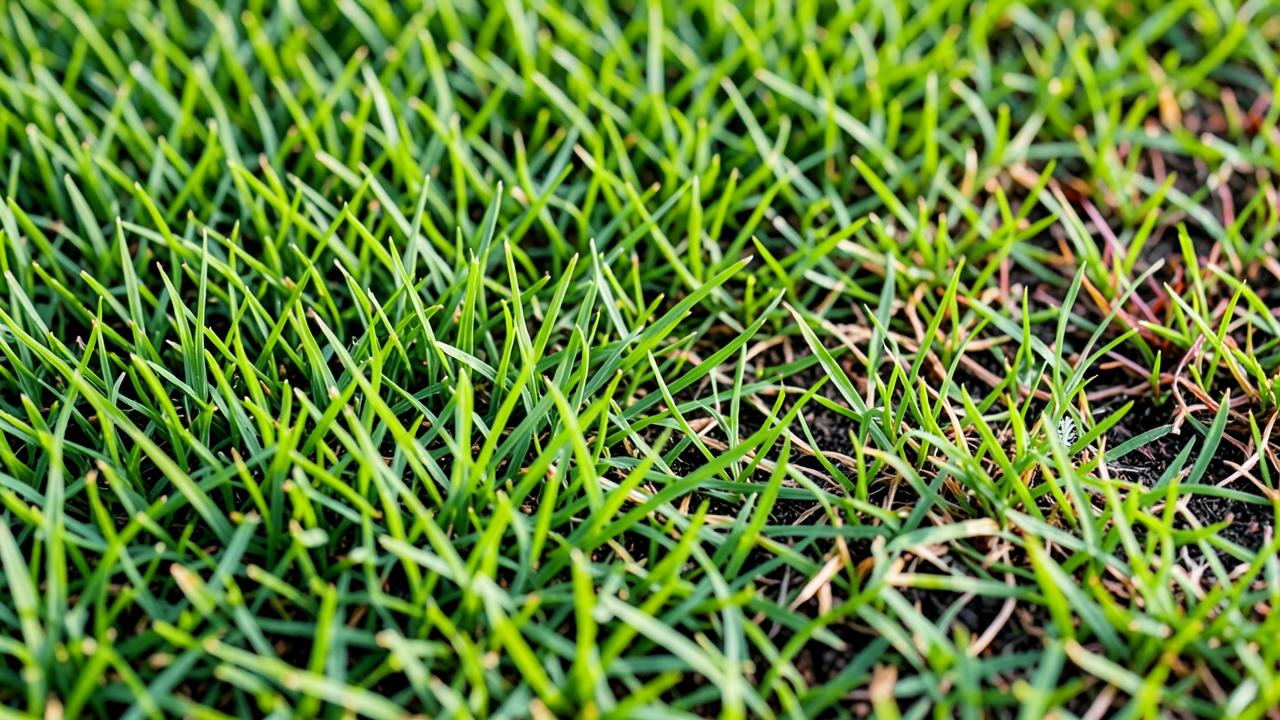
Choose grass by drawing a line roughly along USDA zones 6b-7a, the transition zone: north of it, plant cool-season grasses like tall fescue, Kentucky bluegrass, or perennial ryegrass; south of it, plant warm-season grasses like bermudagrass, zoysia, St. Augustine, or centipede. Within the transition zone itself, tall fescue is the safest single choice because it tolerates both summer heat and winter cold better than the alternatives.
What separates cool-season from warm-season grasses
Cool-season grasses grow most actively in spring and fall when soil temperatures sit between 50 and 65°F, and they stay green through winter but can struggle in prolonged summer heat above the mid-80s. Warm-season grasses do the opposite: they green up in late spring, grow hardest in the 80-95°F range, and go dormant and tan-brown once soil temperatures drop below about 55°F. Planting a warm-season grass in Minnesota gets you a lawn that's dormant nine months a year; planting cool-season fescue in central Florida gets you a lawn that dies out every summer.
Which grass fits which conditions
| Grass | Zone range | Sun needs | Traffic tolerance | Notes |
|---|---|---|---|---|
| Kentucky bluegrass | Zones 3-7 | Full sun | Moderate | Slow to establish from seed, self-repairs via rhizomes |
| Tall fescue | Zones 4-8 (transition) | Full sun to light shade | High | Best all-purpose choice for variable summers |
| Perennial ryegrass | Zones 3-7 | Full sun | High | Fast germination, often blended with bluegrass |
| Bermudagrass | Zones 7-10 | Full sun only | Very high | Aggressive spreader, poor shade tolerance |
| Zoysia | Zones 6-10 | Full sun to part shade | High | Dense and drought-tolerant, slow to spread |
| St. Augustine | Zones 8-10 | Part shade to sun | Moderate | Best shade tolerance of warm-season grasses |
| Centipede | Zones 7-9 | Full sun | Low-moderate | Low fertility needs, poor cold tolerance |
Does sun exposure change the recommendation?
Yes, and shade is where most homeowners pick the wrong grass. No turfgrass thrives in deep shade under mature trees; fine fescue handles the most shade among cool-season types, and St. Augustine handles the most among warm-season types, but both still want at least 4 hours of filtered light. Below that, plan for a shade-tolerant groundcover or mulched bed instead of fighting a losing battle with reseeding every spring.
How much does it cost to convert an entire lawn to a new grass type?
Killing off an existing lawn with glyphosate or solarization, then seeding a 5,000-square-foot yard, runs roughly $500-$900 in seed, starter fertilizer, and rental equipment if you do the labor yourself; sod for the same area runs $2,500-$4,500 installed. Full conversion is rarely necessary — overseeding with a better-adapted species over two to three seasons usually shifts the lawn's composition without a total kill-and-restart.
What should you check before buying seed?
- Confirm your USDA hardiness zone and note whether you're in the cool-season, warm-season, or transition band.
- Walk the yard and estimate hours of direct sun in the areas that struggle most, not just the front lawn.
- Check the seed label's germination percentage and 'weed seed' content — anything over 0.5% weed seed is a poor buy.
- Match traffic expectations: a yard with kids and dogs needs tall fescue or bermudagrass over slower-establishing bluegrass alone.
How does soil type affect which grass will actually succeed?
Sandy soils drain fast and dry out quickly, favoring deep-rooted, drought-tolerant grasses like tall fescue, bermudagrass, or zoysia over shallow-rooted bluegrass, which needs more frequent watering to compensate. Heavy clay soils hold water and compact easily, which stresses most grasses' root systems and calls for regular aeration regardless of species chosen. A simple jar test — shaking a soil sample with water in a clear jar and watching it settle into sand, silt, and clay layers over 24 hours — tells you roughly what you're working with before you commit to a species.
What role does regional rainfall and drought risk play in the decision?
In regions with reliable summer rainfall, cool-season grasses can hold up through the season with minimal supplemental irrigation, but in areas with hot, dry summers and municipal watering restrictions, a warm-season grass or a drought-tolerant cool-season option like tall fescue avoids the boom-bust cycle of a lawn that thrives in spring and burns out by August. Buffalo grass and some improved bermudagrass cultivars need as little as half the water of Kentucky bluegrass once established, which matters increasingly in states now restricting turf irrigation.
What mistakes lead homeowners to regret their grass choice?
- Choosing a grass based on a neighbor's lawn without checking whether that yard gets more sun or better drainage.
- Picking bermudagrass for a partly shaded yard, then fighting thin, weak turf every year instead of switching to zoysia or St. Augustine.
- Seeding a warm-season lawn in early spring instead of waiting for soil to warm above 65°F, which wastes seed to poor germination.
- Ignoring HOA or regional water-use rules that may restrict certain high-water species before the lawn is even planted.
Frequently asked questions
Can you mix cool-season and warm-season grass seed in one lawn?
No, mixing the two growth types produces a lawn with mismatched color and texture year-round, since one type is dormant while the other is actively growing. Pick one category based on your zone and blend only within that category, such as fescue with bluegrass.
What is the transition zone and why is it hard to grow grass there?
The transition zone spans roughly USDA zones 6b-7a across the central US, where summers are too hot for reliable cool-season growth and winters are too cold for warm-season grasses to survive without dormancy damage. Tall fescue and zoysia are the most forgiving choices in this band.
How long does it take a new lawn to fully establish from seed?
Expect 6-8 weeks before a new lawn can handle light foot traffic and 12-18 months before the root system is deep enough to handle drought stress and heavy use. Sod shortens the visual establishment time but still needs 4-6 weeks of careful watering to root into native soil.
Run the numbers for your own project
- Grass Seed CalculatorHow much grass seed do I need?
- Lawn Fertilizer CalculatorHow much fertilizer does my lawn need?
Keep reading
- Starting Your First Vegetable Garden Without Wasting a SeasonMost first gardens fail for reasons that have nothing to do with a green thumb. Here are the five that matter.
- Building Soil That Actually Grows ThingsFeeding plants is a short-term fix. Feeding the soil is what makes a garden easy.
- Reviving a Tired Lawn: A Season-Long PlanA thin lawn is a symptom. Treating the symptom with more seed is why it keeps coming back.