Insulation
Mineral Wool Insulation
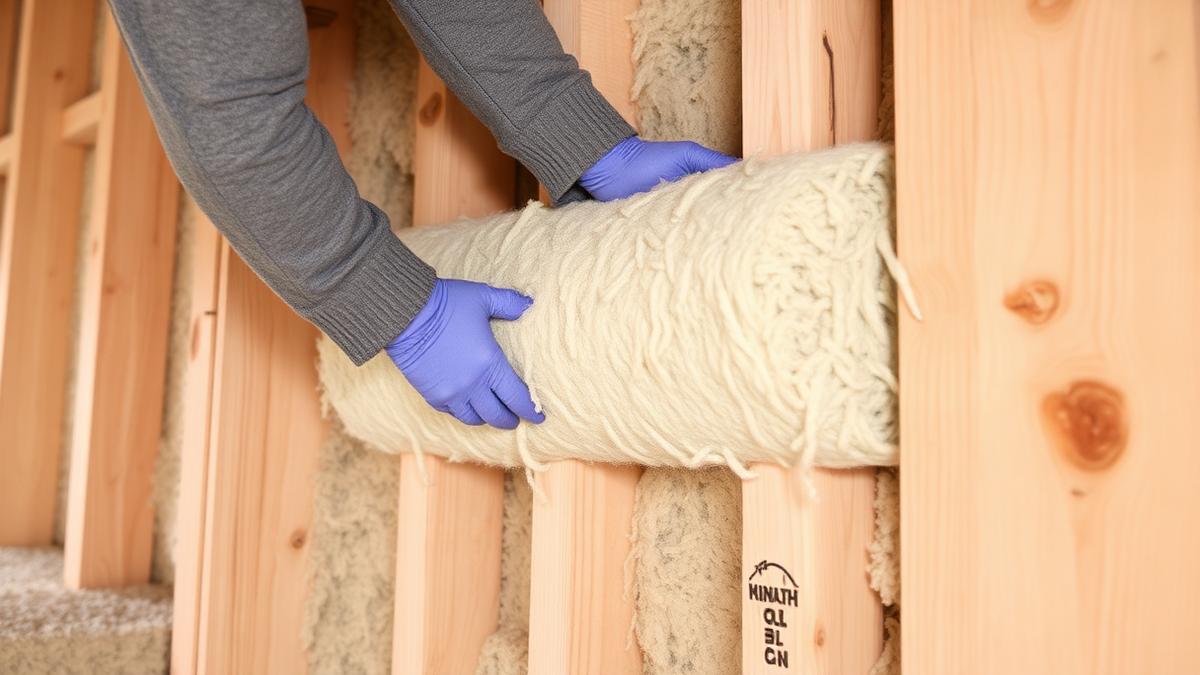
A fibrous insulation made from spun rock or slag, offering good fire resistance and sound dampening alongside thermal performance.
Best for
- Fire-rated walls and around flues
- Sound insulation between rooms or floors
- Loft and cavity wall insulation in damp-prone climates
Avoid when
- Very tight budgets, where fibreglass batts are usually cheaper for the same R-value
It performs better wet than fibreglass
Mineral wool doesn't wick and hold water the way fibreglass can, and it retains more of its insulating value if it gets damp, which matters in humid lofts and older solid-wall homes.
R-value per inch is only slightly better
Mineral wool's thermal performance is close to fibreglass batt for batt; choose it primarily for its fire and sound properties, not for a large jump in insulation value.
Put this into practice
- Insulation R-Value CalculatorWhat R-value do I need, and how much?
More material guides
- Spray Foam InsulationA liquid polyurethane sprayed in place that expands and hardens, sealing air gaps and insulating in one step, in open-cell or denser closed-cell formulations.
- Cellulose InsulationLoose-fill insulation made from recycled, fire-treated paper, blown into attics and wall cavities as a denser alternative to fiberglass.