Composting
A Worm Bin Fails Most Often From Overfeeding, Not Underfeeding
The most common reason a vermicompost bin sours and smells is too much food added too fast, not too little.
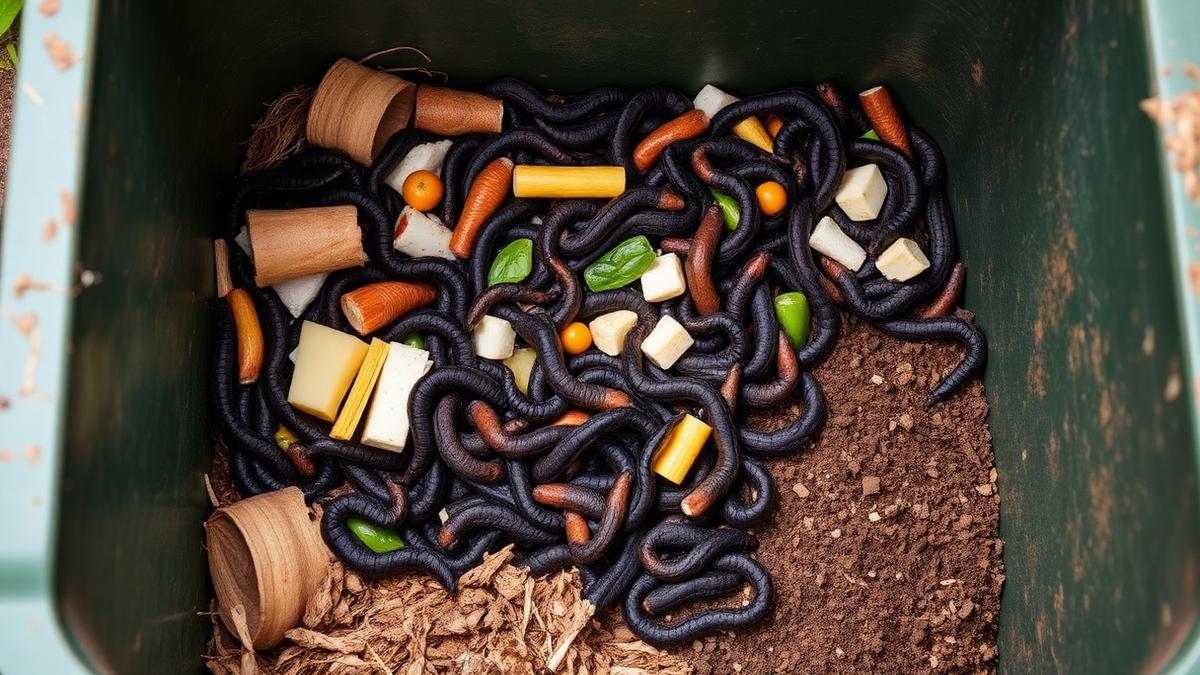
Red wigglers, the worm species used in most vermicompost bins, can only process a limited amount of food relative to their population — roughly their own body weight per day under good conditions, though new bins start well below that. Excess uneaten scraps begin rotting through ordinary anaerobic decomposition before the worm population catches up, producing the sour, ammonia-like smell most bin failures are blamed on the worms for, when overfeeding is the actual cause.
The fix is feeding in small amounts, burying scraps under bedding rather than leaving them exposed, and waiting until most of the previous feeding is gone before adding more — building up the feeding rate gradually as the worm population grows to match it.
Written and reviewed by Jim Vernon, editor of Home & Garden Answers · Last updated
Put this into practice
- Composting CalculatorWhat ratio of greens to browns does my compost need?
More facts like this
- A Compost Pile Under One Cubic Metre Will Never Get HotHot composting needs about a cubic metre of material; smaller piles compost cold, which is slower but perfectly effective.
- Turning Compost Is About Speed, Not SuccessEvery heap eventually becomes compost. Turning it changes twelve months into three, and that is the whole benefit.
- Leaf Mold Isn't Compost — It Breaks Down by a Different Process EntirelyPiling up leaves and calling it compost misses what actually happens — leaf mold decomposes through fungi, not the bacterial process that drives a hot compost pile.