Composting
Turning Compost Is About Speed, Not Success
Every heap eventually becomes compost. Turning it changes twelve months into three, and that is the whole benefit.
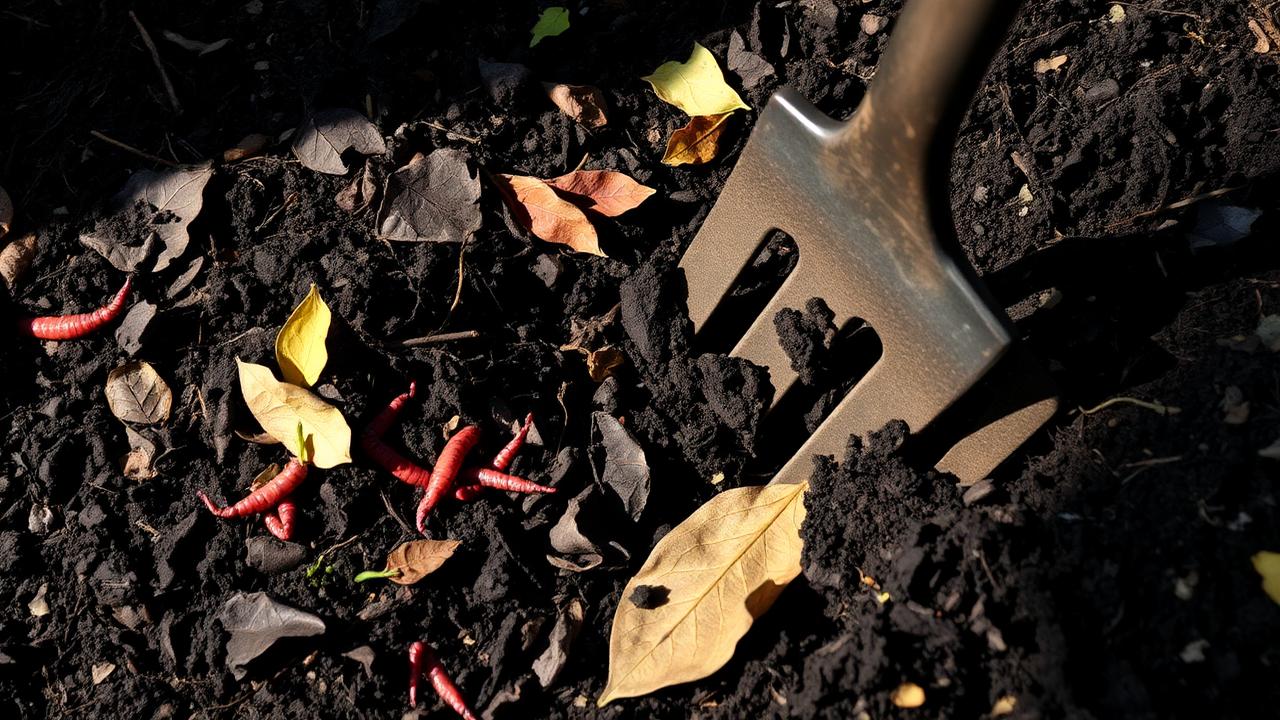
Decomposition is driven by microbes that work fastest with oxygen. A static heap develops anaerobic pockets that slow, smell, and stall — but slowly continue. Turning breaks up those pockets and moves cool outer material into the hot centre.
If time is not pressing, layering greens and browns well and leaving the heap alone is a legitimate strategy. If it is, turning every two to three weeks during the active phase is where the payoff sits.
Written and reviewed by Jim Vernon, editor of Home & Garden Answers · Last updated
Put this into practice
- Composting CalculatorWhat ratio of greens to browns does my compost need?
More facts like this
- A Compost Pile Under One Cubic Metre Will Never Get HotHot composting needs about a cubic metre of material; smaller piles compost cold, which is slower but perfectly effective.
- Leaf Mold Isn't Compost — It Breaks Down by a Different Process EntirelyPiling up leaves and calling it compost misses what actually happens — leaf mold decomposes through fungi, not the bacterial process that drives a hot compost pile.
- A Worm Bin Fails Most Often From Overfeeding, Not UnderfeedingThe most common reason a vermicompost bin sours and smells is too much food added too fast, not too little.