Composting
Leaf Mold Isn't Compost — It Breaks Down by a Different Process Entirely
Piling up leaves and calling it compost misses what actually happens — leaf mold decomposes through fungi, not the bacterial process that drives a hot compost pile.
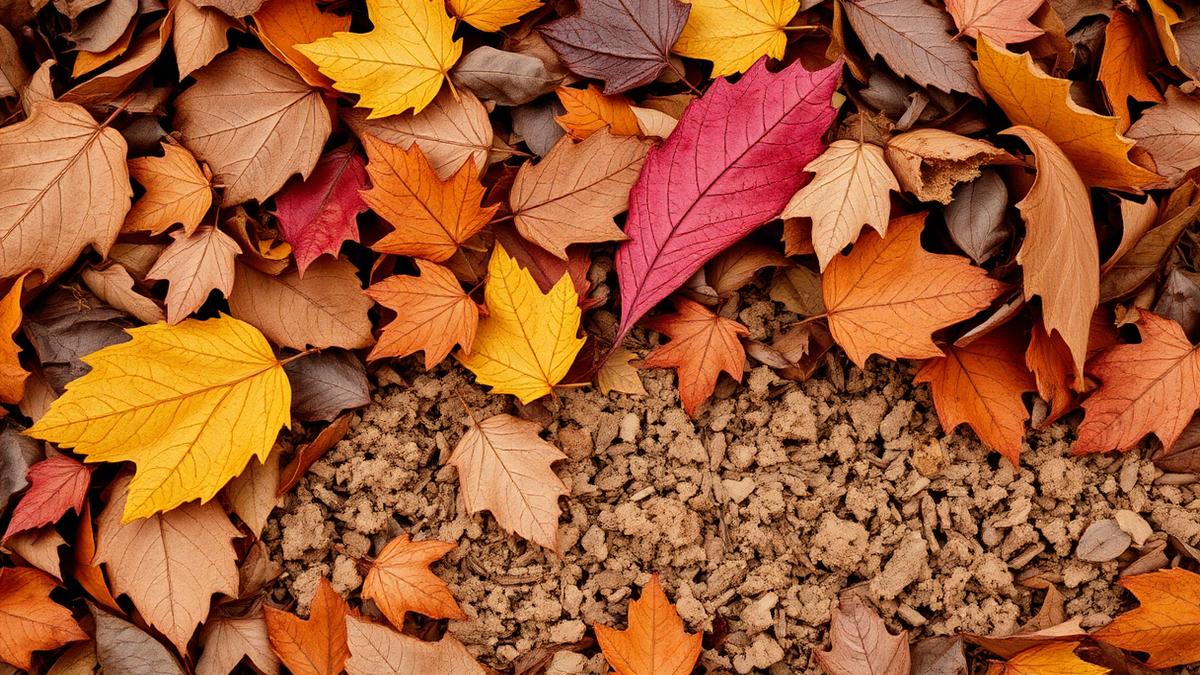
Standard composting relies on bacteria breaking down nitrogen-rich green material alongside carbon-rich brown material, generating heat as a byproduct when the ratio and mass are right. A pile of leaves alone is almost all carbon with very little nitrogen, so bacterial activity stays low and the pile never heats up. Instead, fungi — better suited to breaking down tough, high-carbon material like leaves — slowly decompose the pile over one to two years into leaf mold.
Leaf mold isn't a fertilizer the way finished compost can be; it's low in nutrients but excellent as a soil conditioner, improving water retention and structure. The two serve different purposes and both are worth making, but a leaf pile alone won't behave like a compost bin regardless of how long you wait.
Written and reviewed by Jim Vernon, editor of Home & Garden Answers · Last updated
Put this into practice
- Composting CalculatorWhat ratio of greens to browns does my compost need?
More facts like this
- A Compost Pile Under One Cubic Metre Will Never Get HotHot composting needs about a cubic metre of material; smaller piles compost cold, which is slower but perfectly effective.
- Turning Compost Is About Speed, Not SuccessEvery heap eventually becomes compost. Turning it changes twelve months into three, and that is the whole benefit.
- A Worm Bin Fails Most Often From Overfeeding, Not UnderfeedingThe most common reason a vermicompost bin sours and smells is too much food added too fast, not too little.