Wildlife
Pollinator Gardens Usually Fail on Water, Not Flowers
Bees drown easily and cannot land on open water. A saucer of pebbles is often the missing element in a well-planted pollinator bed.
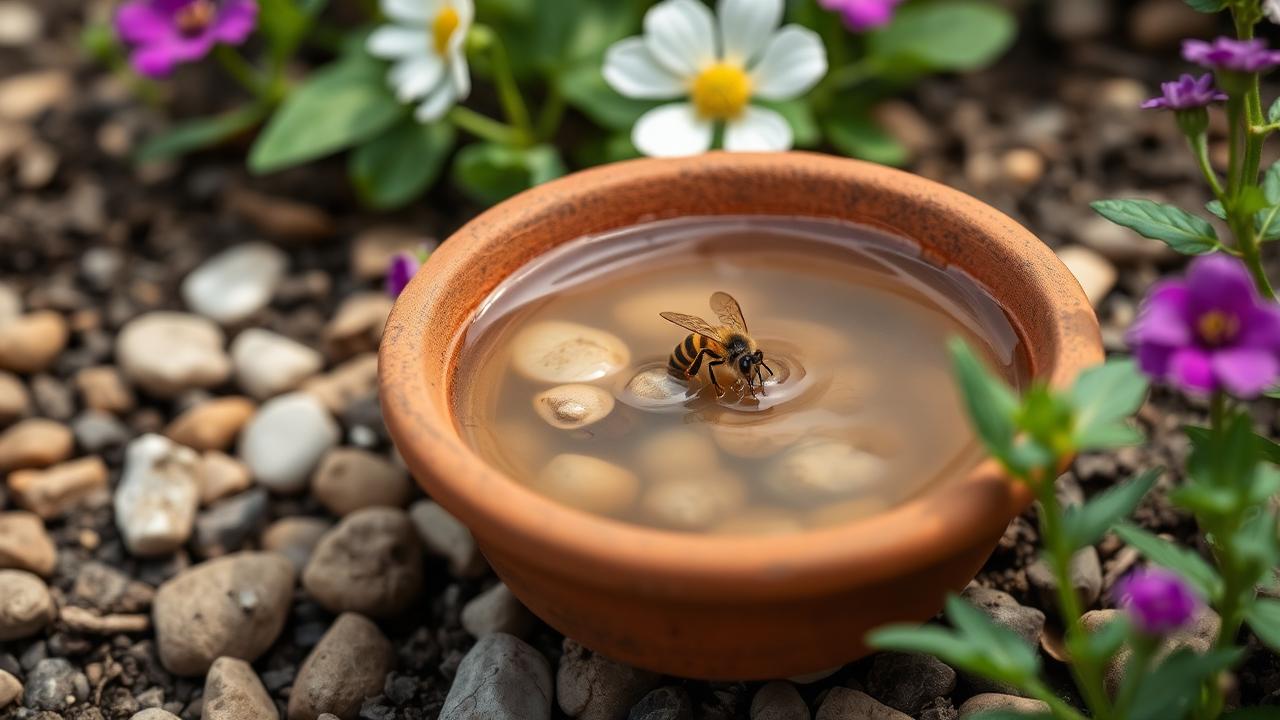
Bees use water for cooling the colony and diluting stored honey, not only for drinking. They need a landing surface with the water surface just below it, which is why they cluster around damp moss, birdbath edges, and puddle margins rather than pond centres.
A shallow dish filled with pebbles or marbles and topped up daily in hot weather costs nothing and is the easiest addition to an existing planting scheme.
Written and reviewed by Jim Vernon, editor of Home & Garden Answers · Last updated
Put this into practice
- What to Plant This MonthWhat can I plant right now where I live?
More facts like this
- Evening Watering Is Not Always the Safer ChoiceWatering at dusk saves water but can cost you the plant: wet leaves overnight are the single biggest invitation to fungal disease.
- The Second Coat of Paint Uses Less Than the FirstBuying 'two coats worth' at the first-coat rate routinely overshoots — the second coat stretches 10-25% further on most surfaces.
- Topsoil, Garden Soil, and Potting Mix Are Not InterchangeableFilling a raised bed with bagged topsoil is the most common reason a new bed compacts into a brick by its second season.