Decorating
The Second Coat of Paint Uses Less Than the First
Buying 'two coats worth' at the first-coat rate routinely overshoots — the second coat stretches 10-25% further on most surfaces.
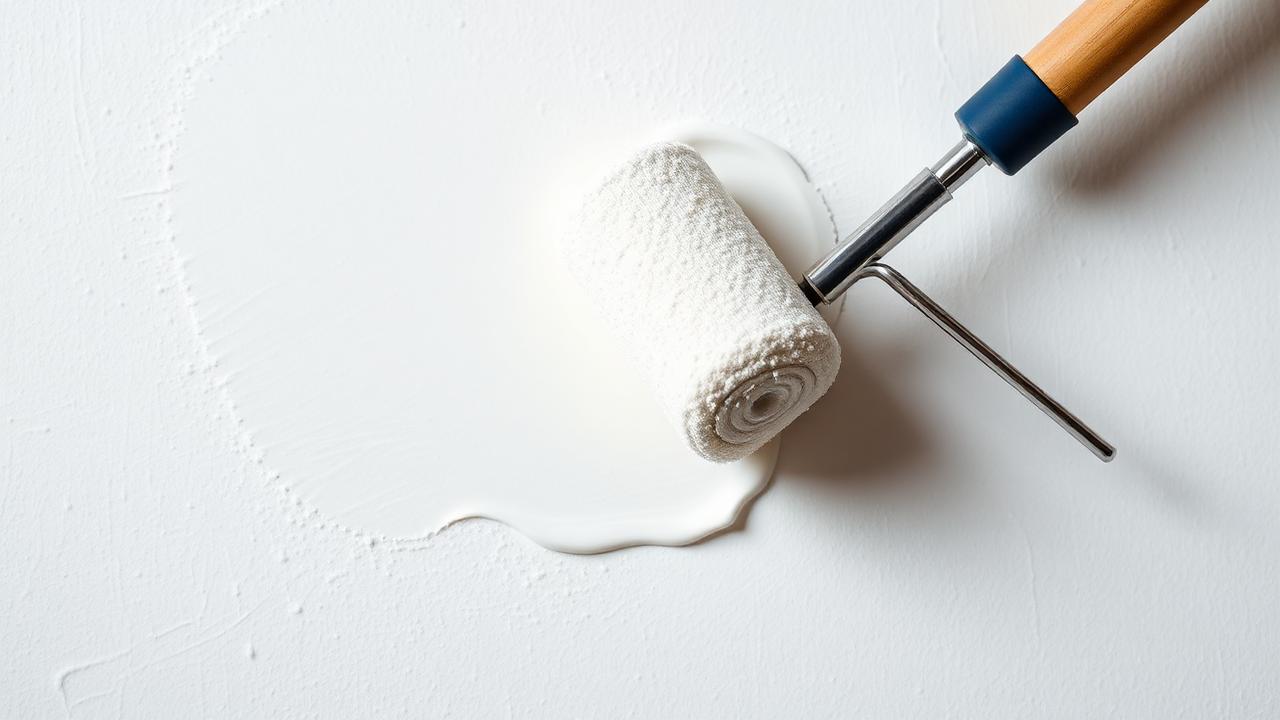
Coverage figures on a paint tin describe an ideal, sealed, smooth surface. The first coat on bare drywall, fresh filler, or chalky old emulsion is partly absorbed rather than deposited as film, so real coverage falls short of the label. Once that coat cures, the surface is sealed by the paint itself, and the second coat behaves much closer to the tin's number.
The practical consequence is that doubling your first-coat estimate over-buys. A better rule: full rate for coat one, roughly 80% of that for coat two. On heavily textured surfaces the gap narrows, because texture adds surface area to both coats equally.
Written and reviewed by Jim Vernon, editor of Home & Garden Answers · Last updated
Put this into practice
- Paint CalculatorHow much paint do I need for this room?
More facts like this
- The Most Common Decorating Mistake Is a Rug That Is Too SmallIf the front legs of your sofa and chairs are not on the rug, the rug is one size too small.
- Pattern Repeat Can Add a Third to Your Wallpaper OrderA 64 cm drop-match repeat on a 2.4 m wall can waste half a metre per strip — enough to change the roll count entirely.