Flooring
Solid Hardwood Floors Can Only Be Sanded a Limited Number of Times
A solid hardwood floor typically tolerates 4-6 full sandings over its life; an engineered floor with a thin veneer might survive one, or none.
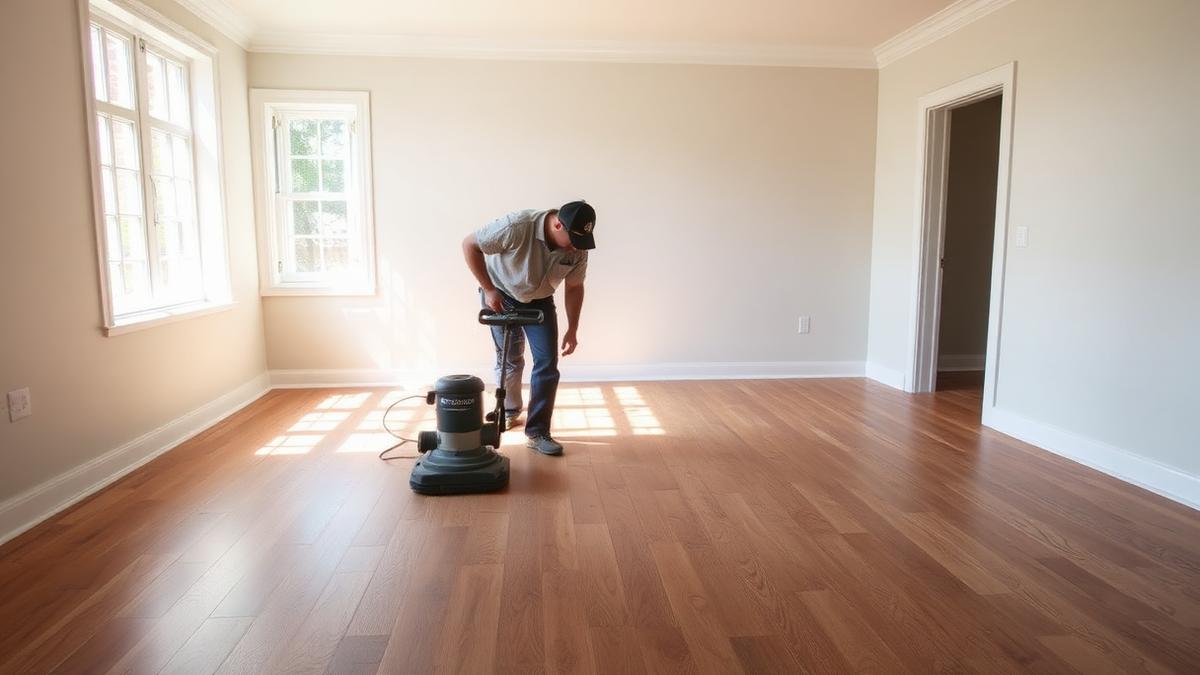
Refinishing removes roughly 1/16 to 1/32 inch of wood with each pass to expose fresh, unworn surface. Solid hardwood is usually 3/4 inch thick, so there's real material to spare across the flooring's life — decades of use with several refinishes along the way. Engineered flooring has a real wood veneer, often just 1/16 to 1/8 inch, glued over a plywood core; sand too deep and you hit the plywood, which can't be finished the same way and shows through unevenly.
Before refinishing any floor, check the wear layer thickness (engineered) or simply the board thickness (solid), and ask an installer to do a light 'screen and recoat' instead of a full sand if the finish is only dulled, not deeply scratched — it uses almost none of that limited material.
Written and reviewed by Jim Vernon, editor of Home & Garden Answers · Last updated
Put this into practice
- Flooring CalculatorHow many boxes of flooring should I buy?
More facts like this
- Flooring Must Acclimatise Before It Is LaidMost manufacturers require 48-72 hours of acclimatisation in the room, and will void a warranty without it.
- A Buckled Floor Is Almost Always a Missing Expansion GapFloating floors need roughly 10-12 mm of free space at every wall and fixed object, or seasonal swelling lifts the boards.
- New Vinyl Flooring Needs to Air Out Before It's 'Finished'The 'new floor smell' is off-gassing, and closing the room up to protect the finish is exactly the wrong move.