Home chart
Tile Trowel Size Chart by Tile Size
Trowel notch size controls how much thinset sits under the tile — too small and large tile won't get enough contact (leading to hollow spots and cracked tile); too large wastes material and can cause lippage on floors. Manufacturers print a recommended notch on the thinset bag, but this chart is a reliable starting point when comparing options.
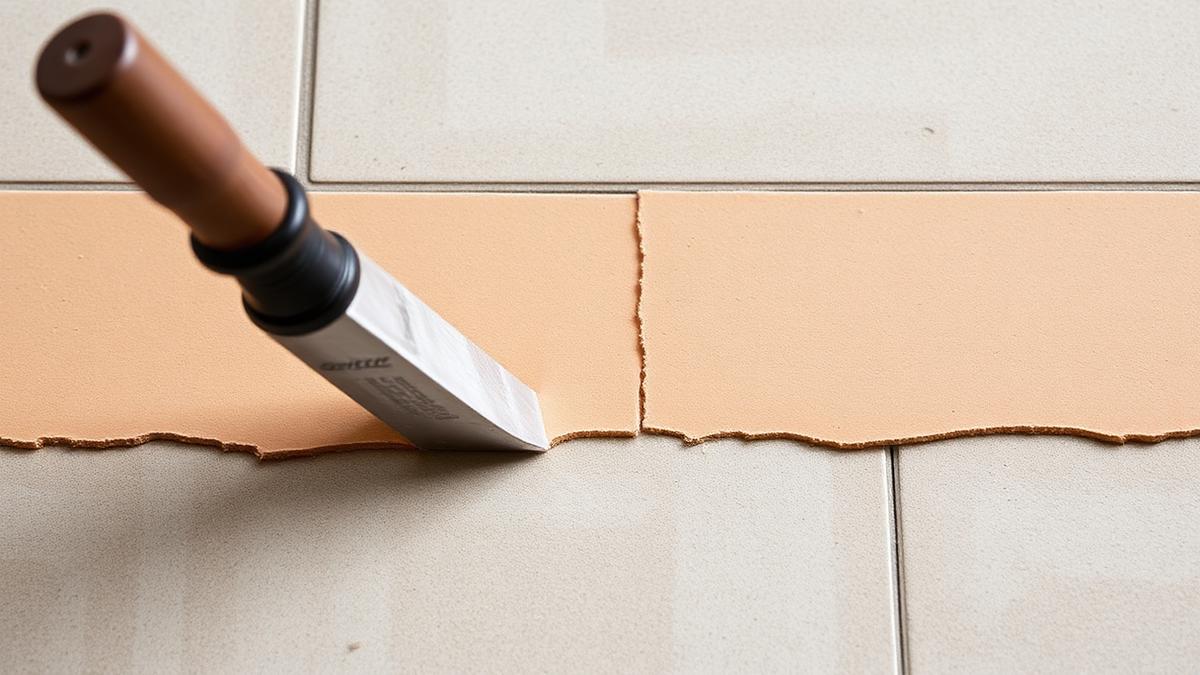
| Tile size | Recommended trowel notch | Notch shape | Approx. thinset coverage |
|---|---|---|---|
| Mosaic (under 2 in) | 3/16 in | V-notch | 95–100 sq ft per 50 lb bag |
| Small tile (up to 8x8 in) | 1/4 in | square-notch | 85–95 sq ft per 50 lb bag |
| Standard tile (8x8 to 12x12 in) | 1/4 x 3/8 in | square-notch | 70–80 sq ft per 50 lb bag |
| Large format (12x24 in) | 1/2 in | square-notch | 55–65 sq ft per 50 lb bag |
| Large format on floors (over 15 in) | 1/2 x 1/2 in or larger | square-notch, back-buttered | 45–55 sq ft per 50 lb bag |
| Natural stone (any size) | 1/2 in minimum | square-notch, back-buttered | 50–60 sq ft per 50 lb bag |
Notes
- Back-buttering (spreading a skim coat on the tile itself in addition to the notched bed on the substrate) is recommended for any tile over 12x24 in to prevent voids.
- Hold the trowel at a consistent 45-degree angle — flattening the angle reduces the ridge height and shrinks actual coverage below the notch's rated size.
- Coverage figures assume a flat, properly prepared substrate; uneven floors consume noticeably more thinset.
Put this into practice
- Tile and Grout CalculatorHow many tiles, and how much adhesive and grout?
More charts like this
- Paint Coverage Chart by Surface TypeHow far a gallon of paint typically goes on different surfaces, and why porous or textured surfaces need more coats.
- Concrete Bag Chart: Bags Needed per Cubic Yard and Cubic FootHow many 40, 60, and 80 lb bags of pre-mixed concrete it takes to make a cubic yard or cubic foot, for small pours.
- Lumber Nominal vs. Actual Size ChartThe real, measured dimensions behind common nominal lumber sizes like a 2x4 or a 1x6, and why they're smaller than the name suggests.