Home chart
Smoke and Carbon Monoxide Alarm Placement Chart
Most residential codes require smoke alarms inside every bedroom, outside each sleeping area, and on every level of the home including basements, plus at least one CO alarm near sleeping areas. This chart summarizes typical requirements — always check your specific local code, which can be stricter.
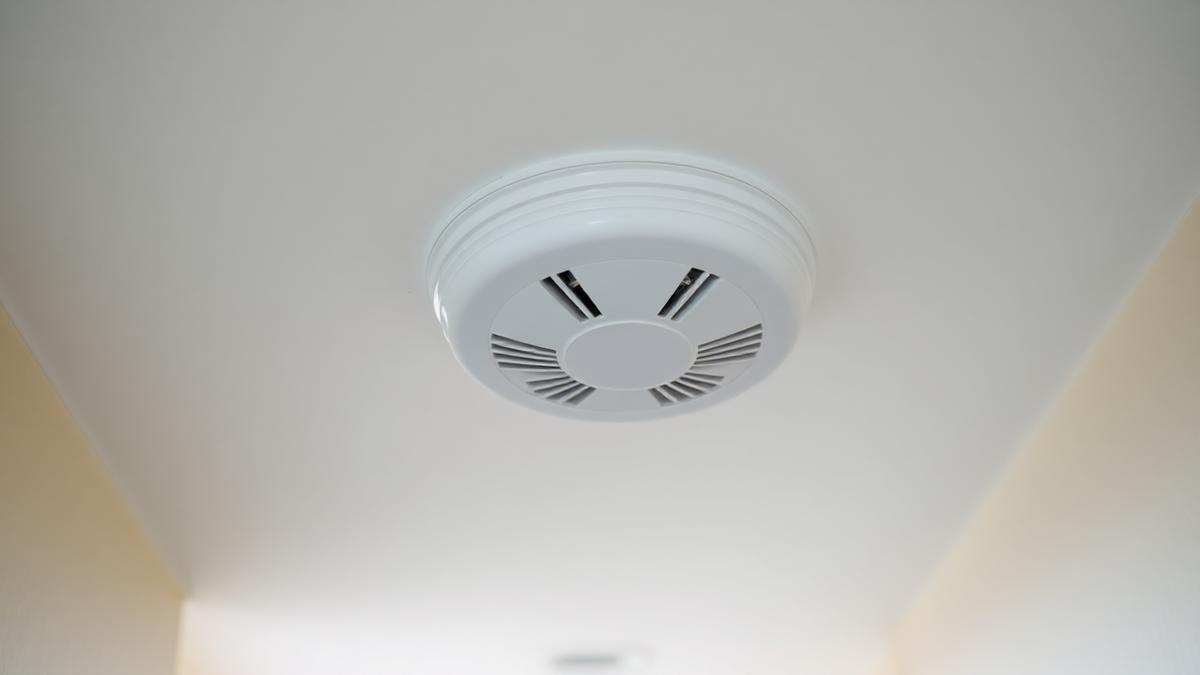
| Location | Smoke alarm | CO alarm |
|---|---|---|
| Inside each bedroom | Required | Not typically required, but recommended |
| Hallway outside bedrooms | Required | Required (within 10 ft of sleeping areas) |
| Every additional floor/level (incl. basement) | Required | Recommended, required in some jurisdictions |
| Kitchen | Photoelectric type recommended (less false alarms from cooking) | Not applicable |
| Near an attached garage entry | Recommended | Recommended (vehicle exhaust risk) |
| Near a fuel-burning appliance (furnace, water heater) | Not the primary purpose | Required nearby in most codes |
| Living/common areas | Recommended, not always required | Not typically required |
Notes
- Smoke alarms should be replaced every 10 years from the manufacture date printed on the unit, not just when they stop working.
- CO alarms have a shorter typical lifespan (5-7 years) than smoke alarms — check the manufacture date separately.
- Interconnected alarms (wired or wireless) that all sound together when one triggers provide meaningfully more warning time in a multi-level home than standalone units.
Put this into practice
- Home Maintenance ScheduleWhat should I be doing to my home this month?
More charts like this
- Paint Coverage Chart by Surface TypeHow far a gallon of paint typically goes on different surfaces, and why porous or textured surfaces need more coats.
- Tile Trowel Size Chart by Tile SizeWhich notched-trowel size to use for mosaic, small, and large-format tile, matched to typical thinset coverage.
- Concrete Bag Chart: Bags Needed per Cubic Yard and Cubic FootHow many 40, 60, and 80 lb bags of pre-mixed concrete it takes to make a cubic yard or cubic foot, for small pours.