Home chart
Flooring Expansion Gap Chart by Material
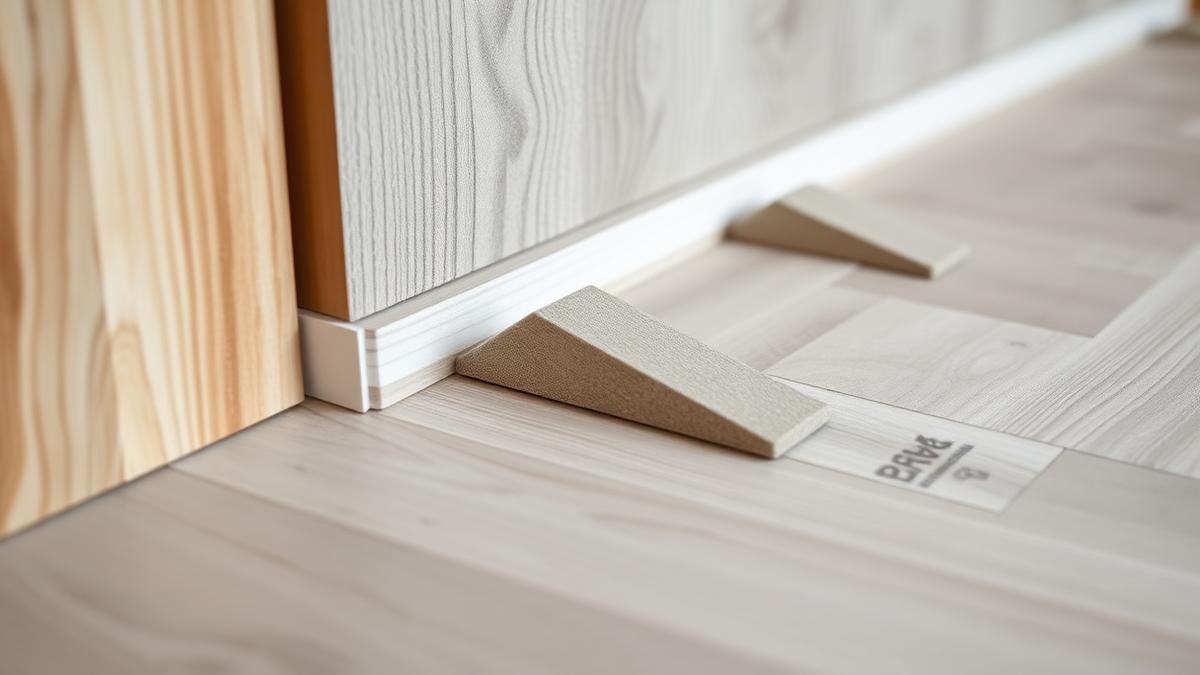
Flooring materials expand and contract with humidity and temperature changes, and a perimeter gap gives that movement somewhere to go without buckling the floor. Base trim or quarter-round typically hides the gap so it doesn't need to look finished.
| Material | Recommended expansion gap | Notes |
|---|---|---|
| Laminate (floating floor) | 1/4-3/8 in | Larger rooms (over 25-30 ft in one direction) may need expansion joints mid-floor too |
| Engineered wood (floating or glue-down) | 1/4-1/2 in | Glue-down needs less gap than floating installation |
| Solid hardwood (nailed down) | 1/2-3/4 in | Solid wood moves more with humidity than engineered products |
| Luxury vinyl plank/tile (LVT, floating) | 1/4 in | Less movement than wood products but still needs some allowance |
| Vinyl sheet flooring (glued) | None typically required at perimeter | Fully adhered, minimal independent movement |
| Tile (ceramic/porcelain) | 1/8-1/4 in with flexible caulk, not grout | Rigid grout at the perimeter can crack; use caulk instead |
Notes
- Acclimating flooring in the room it will be installed for the manufacturer's recommended period (often 48-72 hours) before installing reduces post-install movement.
- A gap that's too small is the most common cause of floating floors buckling in humid summer months, especially in laminate.
- Wide rooms and rooms with a lot of natural light and heat exposure need larger allowances than the minimum listed here.
Put this into practice
- Flooring CalculatorHow many boxes of flooring should I buy?
More charts like this
- Paint Coverage Chart by Surface TypeHow far a gallon of paint typically goes on different surfaces, and why porous or textured surfaces need more coats.
- Tile Trowel Size Chart by Tile SizeWhich notched-trowel size to use for mosaic, small, and large-format tile, matched to typical thinset coverage.
- Concrete Bag Chart: Bags Needed per Cubic Yard and Cubic FootHow many 40, 60, and 80 lb bags of pre-mixed concrete it takes to make a cubic yard or cubic foot, for small pours.