Winterizing Your Home: The Checklist That Prevents the Expensive Calls
By Jim Vernon · 4 min read · Last updated
Nearly every emergency winter repair call traces back to one of about eight jobs that didn't get done in fall.
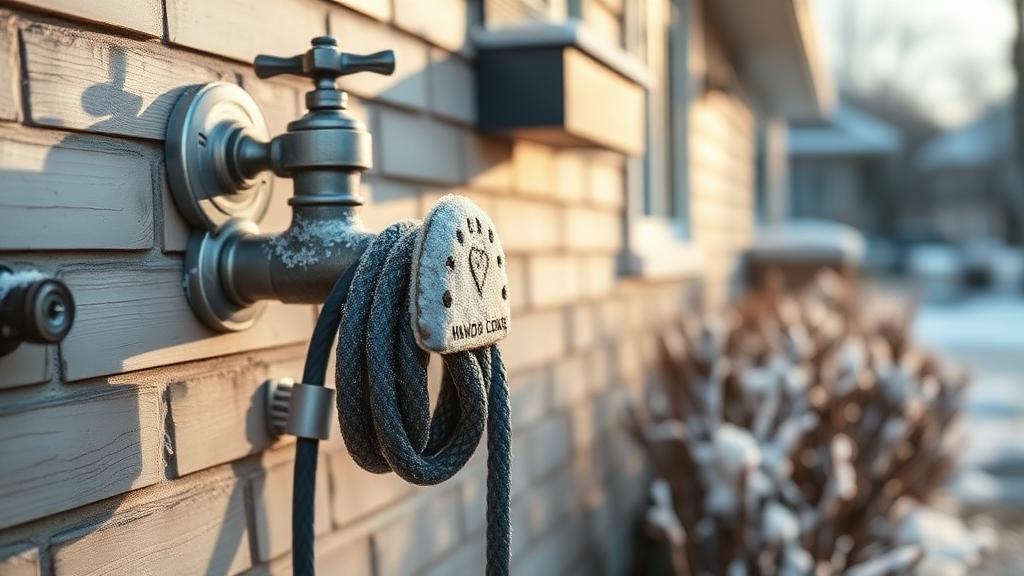
Winterizing isn't one job, it's a short list of unrelated tasks that each prevent a specific, common failure — frozen pipes, ice dams, drafts, and outdoor spigot cracking chief among them. None takes more than an hour.
Plumbing
- Disconnect and drain garden hoses, then shut off and drain any exterior hose bibs — a hose left attached traps water in the spigot and is a leading cause of cracked outdoor faucets.
- Insulate exposed pipes in unheated spaces: crawl spaces, garages, and attic runs.
- Know where the main water shutoff is before you need it in an emergency.
- Let faucets drip during extreme cold snaps if pipes run through an exterior wall.
Insulation upgrades worth considering
- Attic insulation topped up to the recommended R-value for your climate zone, since heat loss through an under-insulated attic drives both ice dams and higher bills.
- Basement rim joist sealing and insulation, a commonly overlooked source of drafts and heat loss.
- Draft-blocking door sweeps on exterior doors, a cheap fix with an outsized effect on comfort near entryways.
Space heater and fireplace safety
If winterizing includes plans to use space heaters or a fireplace more heavily, have chimneys inspected and swept before the season, keep space heaters at least three feet from anything flammable, and test smoke and carbon monoxide detectors as part of the same fall routine -- heating-related incidents rise sharply in the exact months this checklist covers.
Is it worth having a professional energy audit before winter?
For an older home with unclear insulation history, yes -- a blower-door test and thermal imaging can pinpoint specific leaks that a visual walkthrough would miss, often paying for itself in the heating savings identified.
Roof and gutters
Clean gutters fully before the first freeze — clogged gutters are the direct cause of most ice dams, since trapped water backs up under shingles when it refreezes. Check attic insulation and ventilation too; a warm, poorly ventilated attic melts roof snow unevenly and is the other major driver of ice dams.
Sealing and insulation
| Area | Fix | Why it matters |
|---|---|---|
| Windows and doors | Weatherstripping, caulking gaps | Drafts here can be a significant share of winter heat loss |
| Attic hatch | Insulated cover or weatherstripped seal | Often the single largest uninsulated gap in a home |
| Outlets on exterior walls | Foam gasket inserts | Small but easy and cheap to fix |
| Dryer and exhaust vents | Check flapper seals close fully | Prevents cold air infiltration and pest entry |
Outdoor and structural
- Trim tree branches that could break under ice or snow load and hit the roof or power lines.
- Store or cover patio furniture and grills to prevent moisture damage and rust.
- Check that downspouts direct water at least a few feet away from the foundation, since freeze-thaw cycling near the foundation can worsen cracks.
- Service the furnace or heat pump before the season starts, not after the first cold snap when service backlogs are longest.
A one-day order of operations
- Morning: clean gutters and check the roof for the season.
- Midday: drain and store hoses, shut off exterior spigots.
- Afternoon: caulk and weatherstrip doors and windows.
- End of day: schedule furnace service if not already done, and set the thermostat schedule.
What temperature causes pipes to freeze?
Risk rises sharply once sustained temperatures drop below about 20°F, especially for pipes in unheated or exterior-wall locations without insulation.
Do I need to winterize if I live in a mild climate?
A shortened version, yes — hose disconnection and gutter cleaning matter almost everywhere; pipe insulation and heavy weatherstripping matter less where hard freezes are rare.
A worked example: what a burst pipe actually costs
Pipe insulation for an exposed run in a crawl space typically costs very little and takes under an hour. A frozen and burst pipe in that same spot can mean water damage to flooring, drywall, and insulation running into thousands of dollars, plus the inconvenience of a shut-off water supply during repairs -- one of the clearest cost-versus-prevention gaps in home maintenance.
Common mistakes
- Leaving a garden hose attached to an exterior spigot through the first freeze of the season.
- Skipping attic insulation checks because the symptom shows up as an ice dam, not obviously as an insulation issue.
- Waiting until a cold snap is already forecast to service the furnace, when technicians are booked solid.
- Sealing every draft except the attic hatch, which is often the largest single gap in a home's envelope.
Garage and vehicle prep
An unheated garage is effectively an exterior wall for anything stored inside it, including pipes that run through or near it. Check garage door weatherstripping, since a worn seal lets cold air pool inside and can drop the garage well below outdoor temperature swings that the door itself was rated to buffer against.
A quick supplies checklist
- Pipe insulation sleeves or heat tape for any known problem runs.
- A backup heat source plan (generator, alternate heating) in case of an extended outage during a cold snap.
- Ice melt or sand for walkways, stored somewhere accessible without going through snow to reach it.
Should I winterize an outdoor irrigation system separately?
Yes -- irrigation lines need to be blown out with compressed air in most climates with hard freezes, since water left in the lines can crack pipes and valves. This is usually a separate service from general winterizing.
Is it worth leaving faucets dripping all winter?
No -- only during specific extreme cold snaps for faucets fed by pipes on exterior walls or in unheated spaces. Constant dripping all season wastes water without added benefit.
Run the numbers for your own project
- Gutter and Downspout CalculatorHow much gutter and how many downspouts does my roof need?
- Project Cost EstimatorWhat will this project cost me?
Keep reading
- How Much Paint Do You Actually Need for a Room?The tin says 400 square feet. Your wall says otherwise. Here is the arithmetic that actually holds up.
- DIY or Hire a Pro? A Decision Framework That Is Not About MoneyThe labour saving is real. So is the cost of a job done twice — and of tools you use once.
- Storage for Small Rooms That Does Not Make Them SmallerSmall rooms do not need more storage. They need storage that stops interrupting the eye.