How Much Paint Do You Actually Need for a Room?
By Jim Vernon · 4 min read · Last updated
The tin says 400 square feet. Your wall says otherwise. Here is the arithmetic that actually holds up.
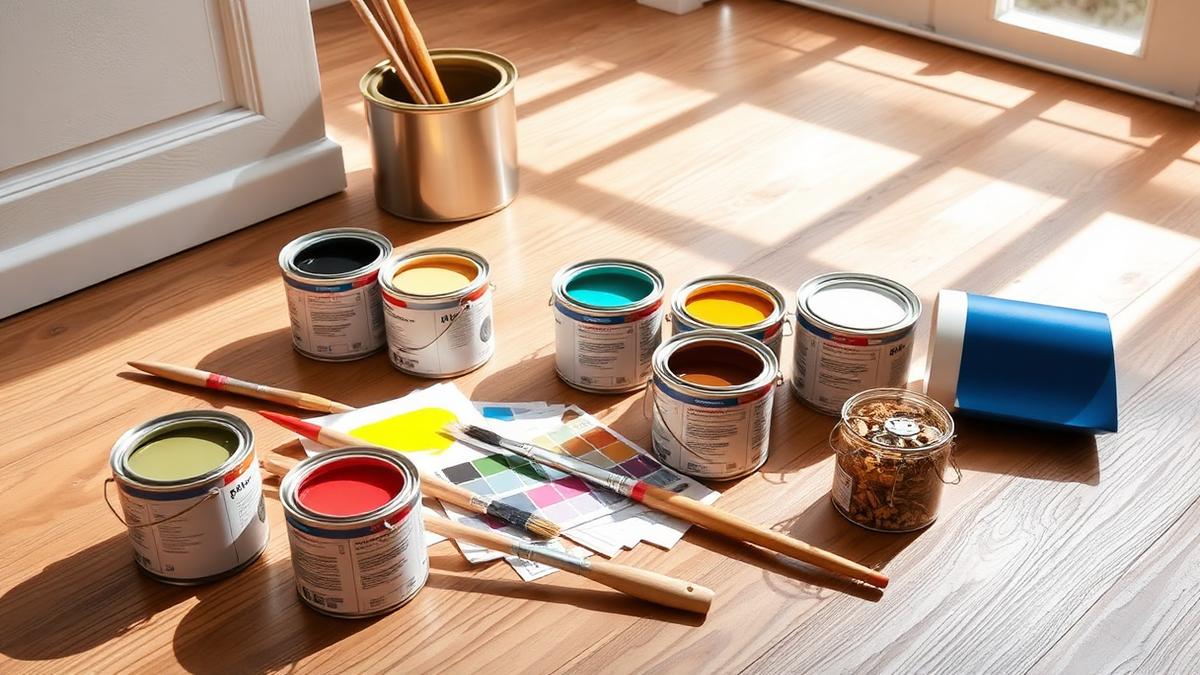
Almost every paint estimate that goes wrong goes wrong in the same two places: the coverage figure on the tin, and the number of coats. Fix those and the rest is straightforward multiplication.
Start with wall area, not floor area
Add the length of all four walls to get the perimeter, then multiply by the ceiling height. A 12 by 14 foot room with 8 foot ceilings has a perimeter of 52 feet and therefore 416 square feet of wall.
Only subtract openings that are genuinely large. A standard door is about 21 square feet and a typical window 15. Deduct those; ignore anything smaller, because the offcut waste around them eats the difference.
The coverage number on the tin is a laboratory figure
Stated coverage assumes a smooth, sealed, primed surface, applied by spray or by an experienced hand at the specified film thickness. Real rooms have texture, corners, cut-in lines, and a roller that drops paint on the floor.
| Surface | Realistic coverage per gallon | Reduction |
|---|---|---|
| Smooth, primed drywall | 380-400 sq ft | None |
| Light orange peel texture | 330-350 sq ft | About 12% |
| Knockdown or heavy texture | 270-300 sq ft | About 25% |
| Bare, unprimed board | 250-280 sq ft | About 30% |
Two coats is the default, not the upgrade
A single coat of modern paint is a thin, semi-translucent film. It looks acceptable while wet and patchy once dry, particularly across filler and previous repairs. Budget two coats for any colour change and three for a dark-to-light one.
Ceilings and trim are separate calculations
Ceiling area is simply length times width. Trim is estimated by linear foot: roughly one quart covers 100 linear feet of standard baseboard per coat, and door casings each consume about 8 linear feet.
Should I buy the extra gallon?
Buy it if you are within half a gallon of the next tin. Touch-up paint from the same batch is worth more than the refund, and colour matching a later tin is never exact.
Does paint quality change how much I need?
Yes. Higher-solids paints build a thicker film per coat and often cover in two where a budget paint needs three, which frequently makes the expensive tin cheaper overall.
How do I estimate paint for a whole house rather than one room?
Total the wall area of every room you are painting, apply the same texture-adjusted coverage figure, and calculate coats once for the whole project rather than room by room — it reduces rounding waste because leftover paint from one room covers the shortfall in the next.
What is the actual cost difference between one and two coats?
For the 1,000 square foot example above, a single coat needs about three gallons and two coats need about six, so the second coat roughly doubles material cost but is still far cheaper than repainting a patchy single coat a second time.
Does colour change how much paint I need?
Moving from a light colour to a similar light colour usually needs no extra coats. Moving from a dark existing colour to a light new one, or the reverse, often needs a third coat or a tinted primer, which changes the gallon count by 30-50%.
Worked example: painting a whole floor
Say you are repainting a hallway, a living room, and two bedrooms on the same floor with the same colour. The hallway has 220 square feet of wall, the living room 380, and the two bedrooms 300 each. That totals 1,200 square feet of wall before deductions, and after subtracting five doors and six windows (about 195 square feet) you are painting roughly 1,005 square feet.
At a realistic 350 square feet per gallon on lightly textured drywall, two coats means 1,005 divided by 350, times two coats, which comes to about 5.7 gallons. Round up to six, or to five gallons plus one quart if the supplier sells by the quart. Buying exactly 5.7 gallons is not an option, so the rounding always goes up, not to the nearest whole number.
Step by step: getting from room to shopping list
- Measure the perimeter of each room and multiply by ceiling height to get gross wall area.
- Subtract full-size doors (21 sq ft) and windows (15 sq ft) only — leave small trim alone.
- Add ceiling area separately if it is being painted, using length times width.
- Pick a realistic coverage figure for your surface from the table above, not the number on the tin.
- Divide total area by coverage per gallon, then multiply by the number of coats you actually need.
- Round the result up to the nearest gallon or quart your supplier sells, then check the label for the batch number.
- Common mistake: using the tin's stated coverage instead of a texture-adjusted figure, which under-buys by 10-30%.
- Common mistake: forgetting the ceiling is a separate area and running out mid-coat.
- Common mistake: buying different batches of a custom-mixed colour, which can show as a faint stripe under raking light.
- Common mistake: assuming one coat will do because the first coat looked fine while still wet.
- Common mistake: not accounting for a second colour on an accent wall, which needs its own coverage calculation, not a fraction of the main total.
Run the numbers for your own project
- Paint CalculatorHow much paint do I need for this room?
- Project Cost EstimatorWhat will this project cost me?
Keep reading
- DIY or Hire a Pro? A Decision Framework That Is Not About MoneyThe labour saving is real. So is the cost of a job done twice — and of tools you use once.
- Storage for Small Rooms That Does Not Make Them SmallerSmall rooms do not need more storage. They need storage that stops interrupting the eye.
- Sealing Draughts: The Cheapest Energy Work in Any HouseAir leakage is invisible, unglamorous, and usually the largest single heat loss you can fix in a weekend.