Window Replacement vs. Repair: When Each One Actually Makes Sense
By Jim Vernon · 4 min read · Last updated
A drafty window isn't always a window that needs replacing — sometimes it's a window that just needs weatherstripping.
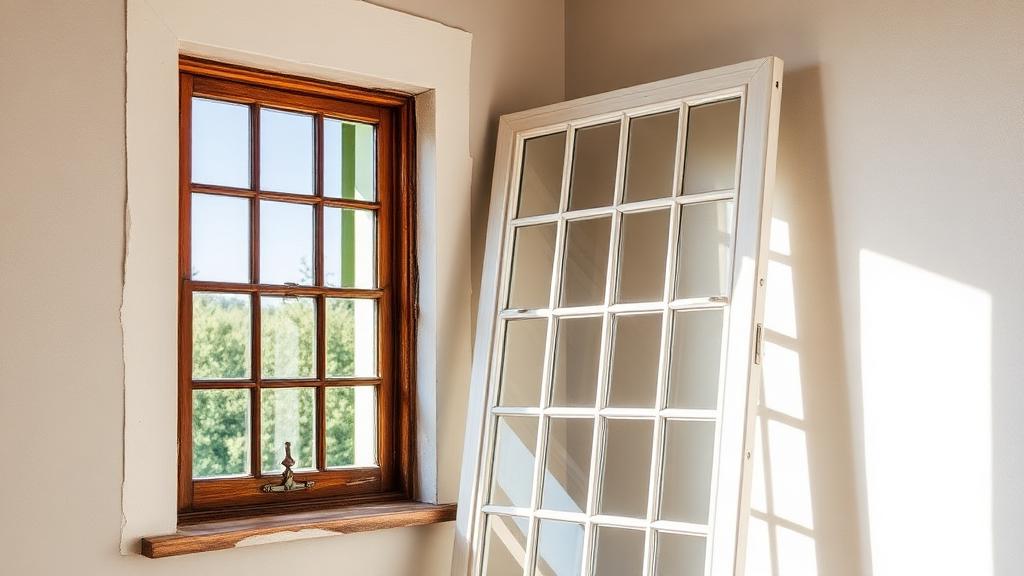
Window replacement is one of the more expensive home upgrades homeowners consider, and it's also one where repair is underused as an option. Diagnosing the actual problem before assuming full replacement is necessary can save a substantial amount of money.
Problems that repair can usually fix
- Drafts around the sash — often solved with new weatherstripping, a relatively inexpensive and straightforward fix.
- A broken sash cord or balance mechanism preventing smooth opening — repairable in most double-hung windows.
- Cracked or failed glazing putty on older single-pane windows — a re-glazing job, not a full window replacement.
- Peeling paint or minor wood rot limited to the frame's surface — scrape, treat, and repaint, or epoxy wood filler for small soft spots.
- A failed seal on a double-pane unit causing fogging between the panes — often just the glass unit (insulated glass unit, or IGU) can be replaced within the existing frame, which is far cheaper than replacing the whole window.
Problems that generally mean replacement
- Significant rot in the frame or sill structure, beyond what a wood epoxy repair can reliably fix.
- Warped or badly out-of-square frames that no longer seal properly regardless of weatherstripping.
- Single-pane windows in a climate where energy performance is a priority — repair keeps them working, but doesn't add the insulating benefit of double or triple glazing.
- Windows original to a much older home with no reasonable path to add modern hardware, locks, or energy performance.
- Extensive, chronic condensation and mold around a window that indicates ongoing moisture intrusion into the wall, not just the glass unit.
| Symptom | Likely fix | Approx. relative cost |
|---|---|---|
| Drafty but structurally sound frame | Weatherstripping / caulking | Low |
| Foggy double-pane glass | IGU (glass unit) replacement | Low-Medium per window |
| Hard to open/close, cords broken | Balance/hardware repair | Low-Medium |
| Rotted frame or sill | Full window replacement | Medium-High |
| Single-pane, poor energy performance overall | Full window replacement | Medium-High |
Full-frame vs. pocket (insert) replacement
Pocket replacement (also called insert replacement) fits a new window unit into the existing frame, leaving exterior trim and siding undisturbed — faster and cheaper, but it slightly reduces the glass area since the new unit sits inside the old frame. Full-frame replacement removes the old frame down to the rough opening, which costs more and takes longer but allows fixing any rot or air-sealing issues in the surrounding structure and restores the original glass area.
Realistic energy payback expectations
Window replacement is rarely justified by energy savings alone — the simple payback period from energy savings for whole-house window replacement is often long, sometimes beyond the windows' expected lifespan, especially replacing already-double-pane windows with slightly better ones. The stronger case for replacement is usually a combination of comfort, condition, noise reduction, and appearance, with energy savings as a partial offset rather than the primary financial justification.
When to get a professional assessment
A window and door contractor can assess frame condition, check for structural rot behind trim that isn't visible from inside, and give an accurate repair-vs-replace recommendation window by window — useful when a house has a mix of window ages and conditions rather than one uniform problem across the whole house.
Material choice when you do replace
Once replacement is the right call, frame material affects cost, maintenance, and lifespan more than most people expect. Vinyl is the most common choice for its low cost and minimal maintenance, but it can't be painted and lower-end versions may warp under intense sun exposure. Wood offers the most traditional look and can be refinished, but needs periodic repainting or staining to prevent rot. Fiberglass and composite frames split the difference, offering strength and low maintenance at a higher price point than vinyl. Aluminum is durable and slim-profiled but conducts heat and cold readily unless it has a thermal break.
| Frame material | Maintenance | Relative cost |
|---|---|---|
| Vinyl | Low — no painting needed | Lowest |
| Wood | High — periodic refinishing | Medium-High |
| Fiberglass/composite | Low | Medium-High |
| Aluminum | Low, but poor insulator without thermal break | Medium |
Glazing options worth understanding
Beyond single vs. double vs. triple pane, look at the glass coating and gas fill when comparing replacement windows. Low-E (low-emissivity) coatings reflect infrared heat while letting visible light through, and are standard on most quality replacement windows today. Argon or krypton gas fills between panes improve insulation over plain air fill at modest added cost. For homes in noisy areas, laminated glass in at least one pane meaningfully reduces sound transmission compared to standard double-pane construction, which is worth requesting specifically if noise is a driving concern alongside energy performance.
Is it worth replacing just one bad window instead of the whole house?
Yes, if the rest of the windows are in good condition — there's no requirement to replace an entire house's windows at once, and spot-replacing the worst offenders is a reasonable phased approach.
Can foggy double-pane glass be fixed without replacing the whole window?
Often yes — the sealed glass unit alone can usually be replaced within the existing sash and frame, which costs significantly less than a full window replacement, as long as the frame and hardware are otherwise in good shape.
How much does weatherstripping alone typically improve comfort?
For a window with sound framing but worn or missing weatherstripping, replacing it is inexpensive and often meaningfully reduces drafts and noticeable temperature differences near the window, though it won't improve the glass's insulating value itself.
Run the numbers for your own project
- Insulation Cost Payback CalculatorHow long until attic insulation pays for itself?
- Project Cost EstimatorWhat will this project cost me?
Keep reading
- How Much Paint Do You Actually Need for a Room?The tin says 400 square feet. Your wall says otherwise. Here is the arithmetic that actually holds up.
- DIY or Hire a Pro? A Decision Framework That Is Not About MoneyThe labour saving is real. So is the cost of a job done twice — and of tools you use once.
- Storage for Small Rooms That Does Not Make Them SmallerSmall rooms do not need more storage. They need storage that stops interrupting the eye.