When to Rent Tools Instead of Buying: A Cost Break-Even Guide
By Jim Vernon · 5 min read · Last updated
If you'll use a tool fewer than three times a year, renting almost always wins.
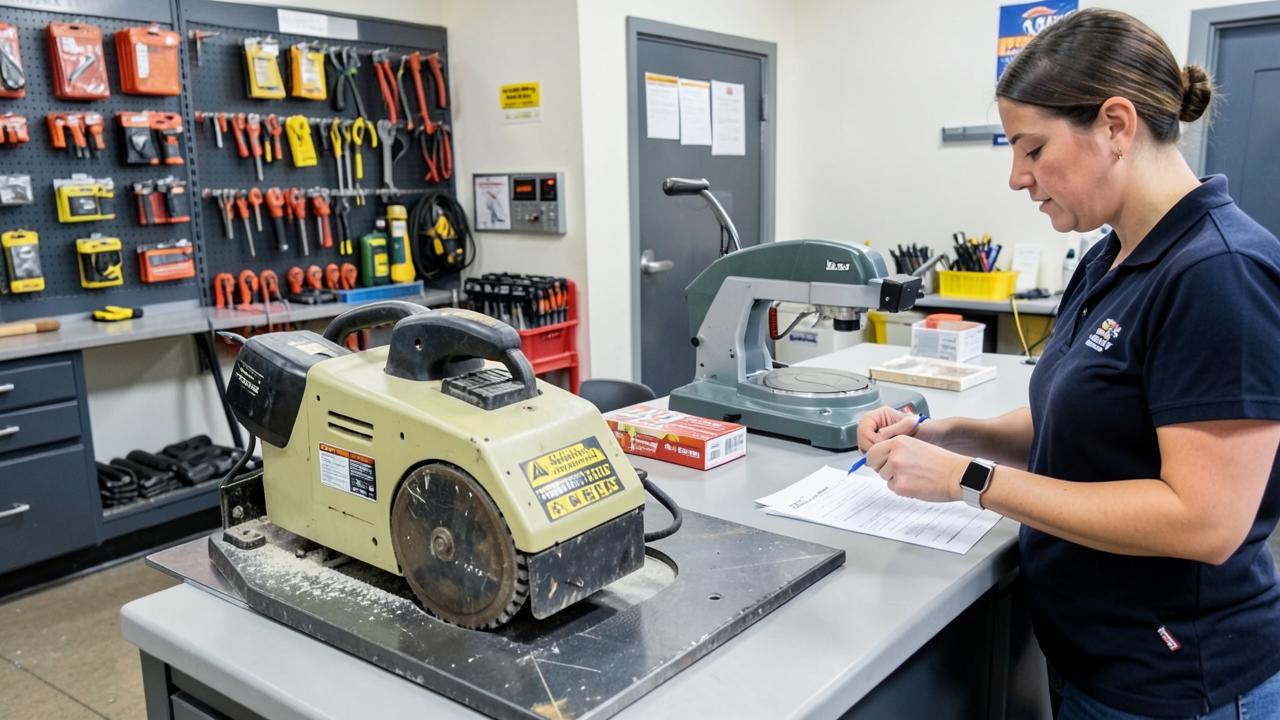
Rent a tool instead of buying it when you'll use it once or only a handful of times a year — the math almost always favors rental for tools priced above roughly $150 that see occasional use, like tile saws, floor sanders, and pressure washers. Buy when a tool costs under $50-$75, when you'll use it multiple times a year, or when rental logistics (pickup, return, deposit) eat into a tight schedule.
How do you calculate the rent-vs-buy break-even point?
Divide the purchase price by the daily rental rate to find how many rental days it would take to match ownership cost. If a tile saw costs $220 to buy and rents for $45/day, that's about 5 rental days to break even — meaning if you expect to need it more than 5 days total over the tool's useful life, buying likely pays off, factoring in that you'd also avoid future rental hassle.
| Tool | Typical purchase price | Typical daily rental | Rough break-even (days) |
|---|---|---|---|
| Pressure washer (electric, mid-grade) | $150-$300 | $40-$65 | 3-5 days |
| Floor sander (drum) | $500-$900 (rarely bought) | $50-$80/day | 10+ days |
| Tile saw (wet saw) | $150-$300 | $40-$60/day | 4-6 days |
| Extension ladder (24 ft) | $180-$300 | $15-$30/day | 8-12 days |
| Concrete mixer | $200-$400 | $45-$70/day | 5-7 days |
| Carpet cleaner | $150-$250 | $30-$45/day | 5-7 days |
What other costs affect the decision besides price?
- Storage space — a floor sander or ladder taking up garage space has an ongoing cost even after you stop using it.
- Maintenance — owned gas-powered tools need fuel stabilizer, oil changes, and occasional tune-ups that rental tools never require of you.
- Availability — popular rental tools get booked out on weekends, so plan pickup a few days ahead for time-sensitive projects.
- Deposit and damage waiver — rental shops often hold a credit card deposit and may charge a waiver fee of $10-$25 per rental.
- Learning curve — a rented tool you've never used costs you project time even if the rental itself is cheap.
Which tools almost always make sense to buy?
Tools used across many small jobs over years — drills, basic hand tools, a shop vac, a stud finder — pay for themselves quickly because the alternative would be dozens of small rental trips. As a rule of thumb, anything you'd reach for more than 3-4 times a year, or that costs under $75, tends to be cheaper owned within the first year or two.
How do rental shops price differently, and does it matter?
Big-box rental counters and independent equipment rental yards often price the same tool differently — big-box stores tend to be cheaper for common items like pressure washers, while independent yards often have better rates and selection on construction-grade equipment like sanders and mixers. Calling two or three places for a quote before a weekend project can save $10-$30 without much effort.
What's the real timeline for a typical rental job?
Most single-day rentals actually need a two-day window once travel and prep are counted: pick up the evening before or morning of, and return by end of the next business day to avoid a second day's charge. Weekend rentals (Friday pickup, Monday return) are common at flat weekend rates that often cost only 1.5x a single day's rate, which is worth asking about even for a one-day job if a shop's weekday hours don't line up with your schedule.
Does gas-powered equipment change the rent-vs-buy math?
Gas-powered rentals (generators, larger mixers, plate compactors) usually come with a full tank and a requirement to return it full, so factor $10-$30 in fuel into the rental cost. Owning gas equipment adds its own ongoing costs — fuel stabilizer, annual carburetor cleaning if it sits idle, and oil changes — that can run $30-$75 a year even with no use, which tips the math further toward renting for equipment used only once or twice annually.
How do you avoid damage or late fees on a rental?
- Photograph the tool at pickup and return, including any existing scratches or wear, to avoid disputed damage claims.
- Ask about the grace period for late returns — many shops charge a full extra day even a few hours late.
- Clean the tool before return (especially mowers, sanders, and anything with a filter) since some shops charge a cleaning fee otherwise.
- Confirm fuel-fill requirements for gas equipment before returning it to avoid a refueling surcharge.
- Ask what the damage waiver actually covers — normal wear is usually included, but dropped or misused equipment often isn't.
How far in advance should you book a rental for a weekend project?
Book popular equipment like floor sanders, pressure washers, and tile saws at least 4-7 days ahead for a weekend project, since Friday and Saturday slots at busy rental counters fill up fast during peak renovation seasons (spring and early fall). Calling the morning of a Saturday project and hoping a sander is in stock is a common reason DIY weekends stall before they start. If a rental yard is fully booked, ask about a sister location a few miles away — availability often differs by branch even within the same chain.
Is it cheaper to rent or buy a floor sander for one room?
Renting is almost always cheaper for one-time refinishing. A drum sander rents for roughly $50-$80/day versus $500-$900 to buy, and most homeowners never need one again after a single refinishing project.
Do rental shops require a deposit?
Most require a credit card hold or deposit, often $50-$200 depending on the tool's value, released after return in good condition. Ask about damage waiver fees, which can add $10-$25 per rental.
What's the risk of buying a cheap version instead of renting a good one?
Budget tools for occasional-use jobs like tile cutting or sanding often underperform and can produce worse results or break mid-project, costing more in redone work than a quality rental would have.
Run the numbers for your own project
- Project Cost EstimatorWhat will this project cost me?
- Home Maintenance ScheduleWhat should I be doing to my home this month?
Keep reading
- How Much Paint Do You Actually Need for a Room?The tin says 400 square feet. Your wall says otherwise. Here is the arithmetic that actually holds up.
- DIY or Hire a Pro? A Decision Framework That Is Not About MoneyThe labour saving is real. So is the cost of a job done twice — and of tools you use once.
- Storage for Small Rooms That Does Not Make Them SmallerSmall rooms do not need more storage. They need storage that stops interrupting the eye.