Water-Saving Fixtures: Real Costs and How Fast They Pay Back
By Jim Vernon · 4 min read · Last updated
A $5 faucet aerator can pay for itself in weeks; a $400 smart irrigation controller might take three years.
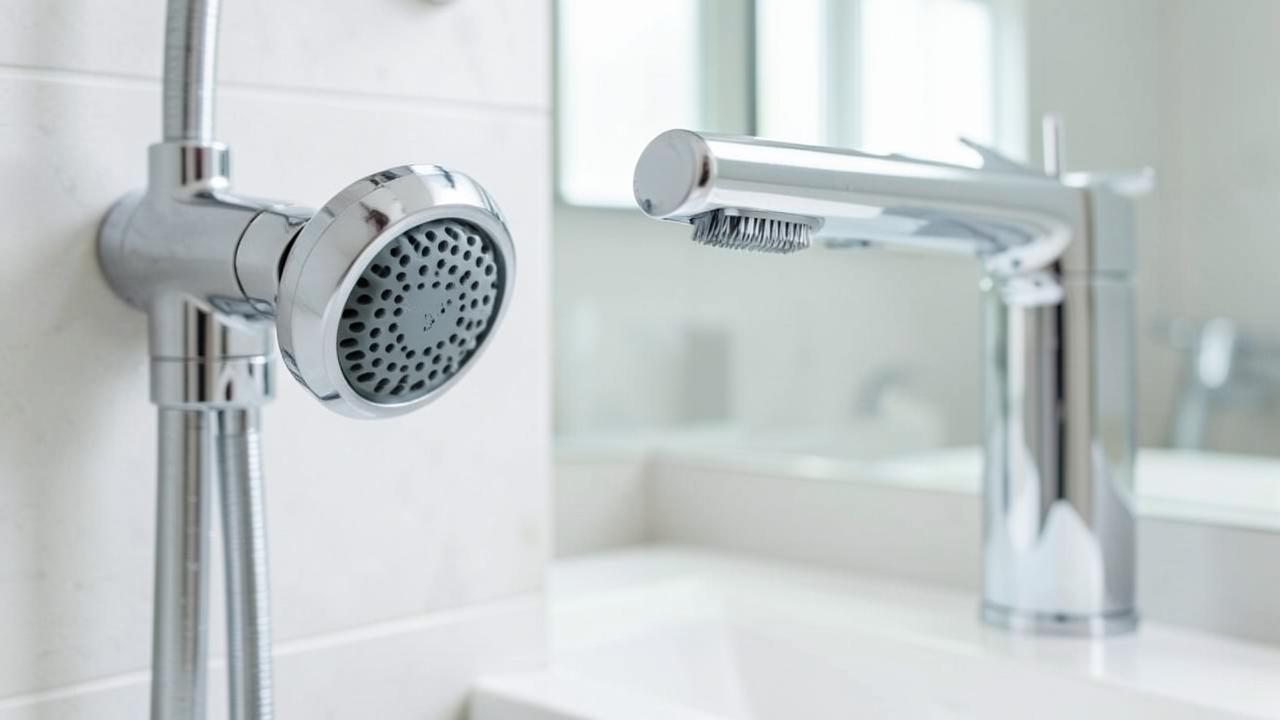
Water-saving fixtures pay back fastest when they're cheap and address high-use fixtures: faucet aerators and efficient showerheads often pay back in weeks to a few months, while a full low-flow toilet replacement typically pays back in 1-3 years depending on household size and local water/sewer rates. Payback speed depends heavily on how much you currently pay per gallon, since water rates vary widely by region.
Which water fixtures have the fastest payback?
| Fixture | Typical cost | Typical water savings | Rough payback |
|---|---|---|---|
| Faucet aerator (1.0-1.5 GPM) | $3-$10 each | 30-50% less flow at the tap | Weeks to 2 months |
| WaterSense showerhead | $15-$40 | 20-40% less than older 2.5+ GPM heads | 2-6 months |
| WaterSense toilet (1.28 GPF or less) | $150-$350 installed | 20-60% less per flush vs. older 3.5-7 GPF toilets | 1-3 years |
| Smart/weather-based irrigation controller | $150-$400 installed | 15-30% less outdoor water use | 1-4 years, more in dry climates |
| High-efficiency clothes washer | $700-$1,300 | Uses less water and less hot water/energy per load | 3-6 years combined with energy savings |
Why do older toilets waste so much water, and is replacement worth it?
Toilets made before 1994 often use 3.5-7 gallons per flush versus 1.28 gallons or less for current WaterSense-labeled models — a difference that adds up fast in a household with multiple daily flushes. For a family of four, replacing two old toilets can save roughly 8,000-13,000 gallons a year, which at combined water/sewer rates of $8-$15 per thousand gallons translates to $65-$195 in annual savings, making replacement worthwhile even without a rebate.
Are utility rebates available for water-saving fixtures?
Many water utilities and some municipalities offer rebates of $50-$150 per toilet replacement and occasional rebates for smart irrigation controllers or rain barrels, though availability varies enormously by region and changes year to year. Check your local water utility's website before buying — a rebate can cut the payback period on a toilet replacement by a third or more.
What about outdoor water use — is it worth targeting?
- Outdoor irrigation often accounts for 30-60% of total household water use in single-family homes with lawns, especially in dry climates.
- A weather-based smart controller adjusts watering to actual rainfall and evapotranspiration, typically cutting outdoor use 15-30% without harming the lawn.
- Drip irrigation for garden beds uses roughly half the water of overhead sprinklers for the same coverage.
- A rain barrel captures roof runoff for garden watering, reducing both bill impact and stormwater runoff, though the payback is mostly about avoided city water cost rather than large dollar savings.
What's the highest-value first step for a renter or tight budget?
Faucet aerators and a WaterSense showerhead are the best entry point: they cost under $50 combined, install in minutes with no plumbing skills, and are easy to take with you when moving out of a rental. Save toilet replacement and irrigation upgrades for when you own the property or have a landlord willing to split the cost.
How do you actually calculate payback for your specific household?
Find your water/sewer rate per thousand gallons on a recent utility bill, estimate the gallons a fixture will save per year based on household size and usage frequency, then divide the fixture's installed cost by the annual dollar savings. A toilet saving 10,000 gallons a year at a combined rate of $10 per thousand gallons saves $100 annually; a $250 installed cost then pays back in 2.5 years. Households with tiered or seasonally higher rates, or larger families with more daily flushes and showers, will see faster payback than these baseline examples.
Do water-saving fixtures also save on energy bills?
Yes, for any fixture that uses hot water — showerheads, faucet aerators on hot taps, and efficient clothes washers — since heating water is a meaningful share of a home's energy use. A low-flow showerhead can cut both water and water-heating costs simultaneously, often adding $20-$50 a year in energy savings on top of the water bill savings, which shortens the effective payback period beyond what water savings alone would suggest.
What maintenance do water-saving fixtures need over time?
- Clean aerators every few months in hard-water areas, since mineral buildup can restrict flow further than intended and cause pressure complaints.
- Check WaterSense toilet flappers annually — a worn flapper causes silent leaks that can waste more water than the fixture was designed to save.
- Inspect drip irrigation emitters seasonally for clogs, which are more common in drip systems than traditional sprinklers.
- Recalibrate smart irrigation controllers after any change to landscaping or sprinkler zones, since outdated settings reduce their water-saving accuracy.
Does hard water change the payback calculation?
In hard-water regions, low-flow aerators and showerheads can clog with mineral deposits faster than in soft-water areas, slightly reducing their effective flow restriction and requiring more frequent cleaning to keep savings on track. This doesn't erase the payback advantage, but it does mean budgeting a few minutes of maintenance every couple of months rather than treating these fixtures as fully install-and-forget.
Do low-flow fixtures actually work as well as older ones?
Current WaterSense-labeled fixtures are engineered to maintain performance at lower flow, unlike early-generation low-flow models from the 1990s that had a reputation for weak pressure. Most users notice no meaningful difference in daily use.
How much water does a leaky faucet waste compared to a low-flow upgrade?
A faucet dripping once per second can waste roughly 3,000 gallons a year — more than most efficiency upgrades save. Fix leaks first; they often erase any benefit from a new low-flow fixture.
Is it worth replacing a toilet that still works fine?
If it's a pre-1994 model using 3.5+ gallons per flush, replacement often pays back within 1-3 years through water and sewer savings alone, faster with a utility rebate, even though the old unit still technically functions.
Run the numbers for your own project
- Rain Barrel and Water Harvest CalculatorHow much rainwater can I actually harvest from my roof?
- Energy Savings CalculatorWill this upgrade pay for itself?
- Home Maintenance ScheduleWhat should I be doing to my home this month?
Keep reading
- How Much Paint Do You Actually Need for a Room?The tin says 400 square feet. Your wall says otherwise. Here is the arithmetic that actually holds up.
- DIY or Hire a Pro? A Decision Framework That Is Not About MoneyThe labour saving is real. So is the cost of a job done twice — and of tools you use once.
- Storage for Small Rooms That Does Not Make Them SmallerSmall rooms do not need more storage. They need storage that stops interrupting the eye.