Water Heater Maintenance That Actually Extends Its Life
By Jim Vernon · 4 min read · Last updated
Most water heaters die years early from sediment and a worn anode rod — both things a homeowner can check without tools.
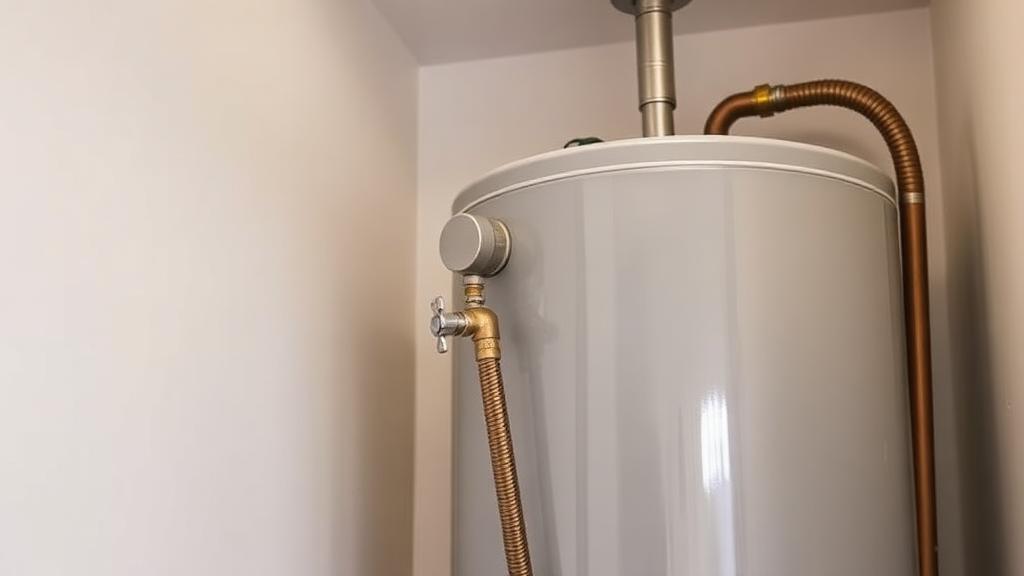
A tank-style water heater with no maintenance at all typically lasts 8-10 years. The same unit with an annual flush and periodic anode rod checks often reaches 12-15 years, which is the difference between one replacement and nearly two over the life of a house.
Flush the tank once a year
Sediment settles at the bottom of the tank over time, especially with hard water. It insulates the heating element or burner from the water, forcing the unit to work harder and shortening its life, and it's the most common cause of rumbling or popping noises from an aging heater.
- Turn off power (electric) or set the gas valve to pilot, and turn off the cold water supply valve.
- Connect a garden hose to the drain valve near the bottom of the tank and run the other end to a floor drain or outside.
- Open the drain valve and a hot water tap elsewhere in the house to let air into the system, then let the tank drain fully.
- Briefly open the cold water supply with the drain valve still open to stir up and flush remaining sediment, then close the drain and refill the tank before restoring power.
Check the anode rod every 2-3 years
The anode rod is a sacrificial metal rod that corrodes instead of the tank's steel lining — it's the main reason tanks last as long as they do. Once it's mostly consumed, the tank itself starts corroding. Replacing a $20-40 anode rod is far cheaper than replacing the whole heater early.
Test the pressure relief valve
The temperature and pressure (T&P) relief valve is a safety device that releases water if pressure or temperature inside the tank gets dangerously high. Lift the test lever briefly once or twice a year; water should flow out the discharge pipe and stop cleanly when released. If it doesn't flow at all, or won't stop dripping afterward, the valve needs replacement — this is not optional safety equipment.
| Task | Frequency | Difficulty |
|---|---|---|
| Tank flush | Annually | Moderate DIY |
| T&P valve test | 1-2x per year | Easy DIY |
| Anode rod inspection | Every 2-3 years | Moderate DIY, needs access |
| Insulate exposed hot water pipes | Once | Easy DIY |
| Gas burner / venting inspection | Annually | Call a professional |
Set the temperature sensibly
120°F (49°C) is the commonly recommended setting — hot enough to be useful and to limit bacterial growth, cool enough to reduce scalding risk and standby heat loss. Households with immunocompromised members sometimes run hotter with a mixing valve at the tap to bring the delivered temperature back down safely; that's a plumber conversation, not a DIY workaround.
When to call a licensed plumber
- Any gas smell near the unit — leave the area and call the gas utility's emergency line, not just a plumber.
- Visible water pooling at the base of the tank, which usually means the tank itself is failing and needs replacement, not repair.
- A T&P valve that won't stop discharging after testing.
- Persistent lukewarm water after ruling out a tripped breaker or a simple thermostat adjustment.
- Any work involving the gas line, venting, or moving the unit's location.
A worked example: the cost of skipping maintenance
A mid-range 50-gallon gas water heater typically costs $1,000-1,600 installed. If routine flushing and anode checks stretch its life from 9 years to 14 years, that's roughly $150-200 a year in avoided replacement cost — well above the cost of the hour or two a year the maintenance takes, even before counting the cash and time spent on inspection.
- Common mistake: never flushing the tank because it's easy to forget, then being surprised when the unit fails years earlier than expected.
- Common mistake: setting the thermostat unnecessarily high (140°F+) in the belief that hotter is always safer, which increases scalding risk and standby heat loss.
- Common mistake: ignoring a T&P valve that drips constantly instead of replacing it, which usually means either excess pressure or a failing valve.
- Common mistake: assuming an anode rod never needs attention because the tank has a warranty — the warranty period is often tied to reasonable maintenance being performed.
- Common mistake: putting off replacement of a tank showing rust-colored water or a bulging jacket, both signs that failure could happen without much further warning.
Can I flush a water heater myself, or does it need a plumber?
Most homeowners can do it safely by following the shutoff and drain sequence carefully. If the unit is very old, has never been flushed, or you're not comfortable working around the gas valve or electrical panel, hire a plumber.
How do I know if my anode rod needs replacing?
Remove it (usually a hex head on top of the tank) and inspect it — if more than about 6 inches of the core wire is exposed or it's reduced to a thin wire, replace it.
Is a tankless water heater lower maintenance?
It shifts the maintenance rather than eliminating it — tankless units need periodic descaling, especially in hard water areas, to prevent scale buildup on the heat exchanger.
What's a reasonable water heater temperature for a household with young children?
120°F is a common recommendation that balances scald risk against bacterial growth, though some households prefer slightly lower with children in the home. Avoid going much below 120°F for extended periods, since that range supports bacterial growth in the tank.
Does insulating the tank itself help?
For older tanks with thin factory insulation, an insulating blanket can meaningfully cut standby heat loss; most newer tanks are already well insulated and see little benefit. Check the manufacturer's guidance before wrapping a gas unit, since covering vents or the burner access can be a safety issue.
Run the numbers for your own project
- Water Heater Size CalculatorWhat size water heater does my household need?
- Appliance Running Cost CalculatorHow much does this appliance cost to run?
Keep reading
- How Much Paint Do You Actually Need for a Room?The tin says 400 square feet. Your wall says otherwise. Here is the arithmetic that actually holds up.
- DIY or Hire a Pro? A Decision Framework That Is Not About MoneyThe labour saving is real. So is the cost of a job done twice — and of tools you use once.
- Storage for Small Rooms That Does Not Make Them SmallerSmall rooms do not need more storage. They need storage that stops interrupting the eye.