What Does It Actually Take to Hang or Remove Wallpaper Yourself?
By Jim Vernon · 5 min read · Last updated
Most wallpaper failures — bubbles, seams, and torn removal — trace back to skipped wall prep, not bad technique.
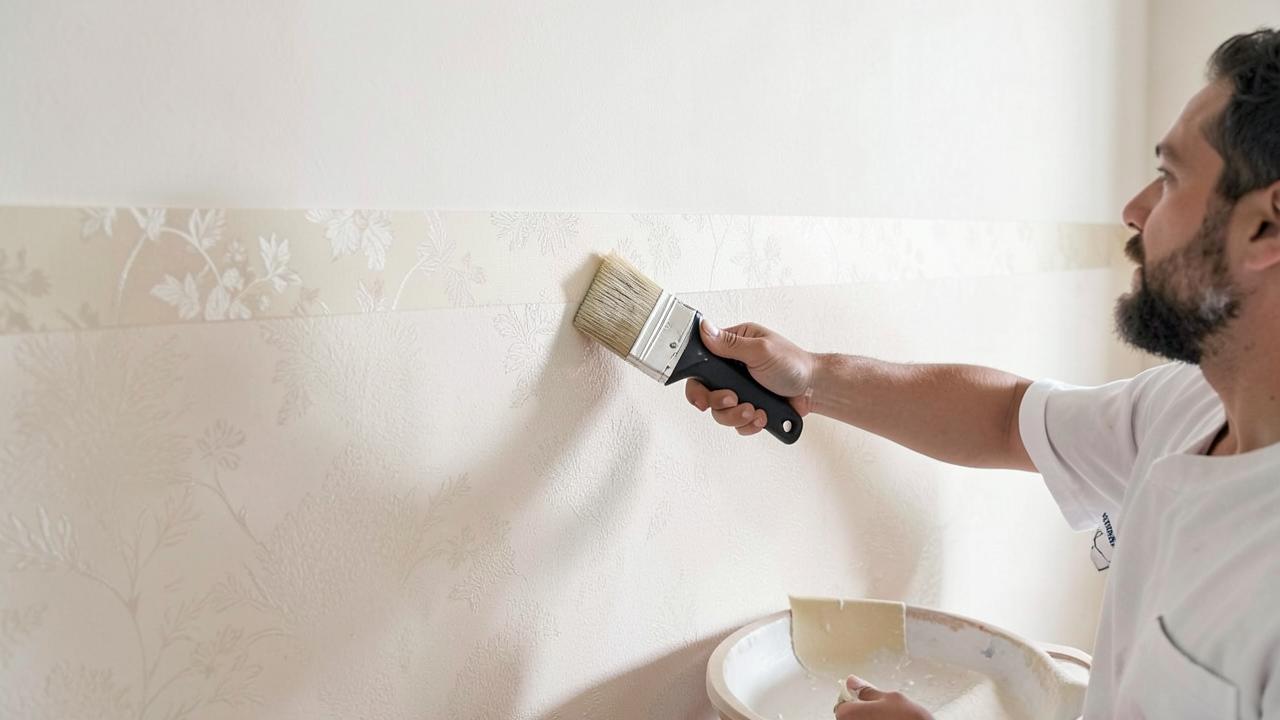
Hanging wallpaper well takes a smooth, primed wall, patient seam alignment, and roughly 30-60 minutes of working time per pre-pasted roll before the adhesive sets; removal takes a scoring tool, a wallpaper-stripping solution, and patience with dry-strippable versus fully pasted paper. Both jobs go wrong the same way: skipping proper prep on the wall underneath.
What prep does a wall need before wallpaper goes up?
- Fill and sand any nail holes or dents with lightweight spackle, then sand smooth with 220-grit sandpaper — bumps telegraph through paper.
- Wash the wall with a mild TSP-substitute solution to remove grease and dust that block adhesion.
- Apply wallpaper primer/sizing ($20-$35 per gallon), which both helps adhesion and makes future removal far easier.
- Let sizing dry fully, typically 1-4 hours per label instructions, before hanging.
How long does hanging a room actually take?
Budget a full weekend for an average 10x12 bedroom (about 3-4 rolls of standard 20.5-inch double-roll wallpaper). A first-time DIYer typically hangs 1-2 rolls per hour once prepped, factoring in trimming at baseboards and ceiling lines, smoothing out air bubbles with a plastic smoothing tool, and wiping excess paste from seams before it dries. Corners and around outlets slow the pace considerably — budget extra time for any room with more than 4 corners or multiple windows.
| Task | Typical time | Key tool |
|---|---|---|
| Wall prep (patch, sand, size) | 3-6 hours + dry time | Sanding sponge, sizing primer |
| Hanging pre-pasted paper | 1-2 rolls/hour | Smoothing tool, seam roller |
| Hanging paste-the-wall paper | 45-90 min/roll | Paste roller, level or plumb line |
| Removing strippable paper | 20-40 min per 4x8 ft section | Scoring tool, spray bottle |
| Removing glued/painted-over paper | 45-90+ min per 4x8 ft section | Scoring tool, steamer, stripping solution |
Why is removal sometimes much harder than hanging?
Removal difficulty depends entirely on what's under the paper and how it was originally installed. Wallpaper hung over a properly sized wall with strippable paper can come off in sheets. Wallpaper glued directly to raw drywall, or painted over at some point, bonds into the paper fibers of the drywall itself and can pull the drywall's paper face off with it — which then requires a full skim coat to repair. A wallpaper steamer ($40-$80 rental or purchase) softens stubborn adhesive but adds humidity that can warp drywall if overused in one spot.
Do lighting and wall condition change which pattern to pick?
Bold, dark, or high-contrast patterns show every seam and bubble far more readily than a soft tone-on-tone pattern, so first-time installers usually get better-looking results from subtler patterns even if a bold pattern was the original inspiration. Walls with visible texture or old repairs telegraph through thin, light-colored wallpaper more than through a thicker, textured, or darker paper, so matching the paper's weight and pattern to the wall's actual condition — not just the room's style goals — improves the odds of a clean-looking result.
What does a professional charge versus DIY cost?
Professional hanging runs $3-$12 per square foot depending on pattern complexity (grasscloth and large-repeat patterns cost more to match seams). DIY materials for an average bedroom run $150-$350 for paper, paste or primer, and tools. Professional removal runs $2-$7 per square foot and often costs more than hanging because of the drywall repair risk; DIY removal costs mostly your time plus $30-$60 in stripping solution and a rented steamer.
What's the single most common rookie mistake?
Rushing the first seam. Hanging wallpaper plumb (perfectly vertical) matters more than hanging it level with the ceiling, because a slightly out-of-plumb first strip compounds across every subsequent strip and the pattern drifts visibly by the far wall. Always start from a plumb line snapped or drawn with a level, never from a corner assumed to be square.
What kinds of wallpaper are easiest for a first-timer?
Paste-the-wall, non-woven wallpaper is generally the most forgiving choice for a first project because it doesn't require soaking, resists tearing when wet, and often allows dry stripping later without damaging the wall underneath. Traditional pulp or vinyl-coated papers that require a paste tray and full water activation are more prone to stretching, tearing at the edges, and trapping air bubbles if you're not used to handling wet paper. Grasscloth and other natural-fiber wallpapers look striking but are the least beginner-friendly, since they can't be wiped clean of excess paste and any water spot leaves a permanent stain.
What should you budget for the whole project, start to finish?
For an average 10x12 bedroom, expect $80-$250 for wallpaper itself depending on pattern (grasscloth and designer patterns run much higher, sometimes $150-$300 per roll), $20-$35 for sizing primer, $15-$30 for paste if not pre-pasted, and $30-$60 in tools (smoothing tool, seam roller, utility knife, plumb line) if you don't already own them. Add a full weekend of labor time. If removing old wallpaper first, add another $30-$60 in stripping solution or steamer rental, plus a half-day to a full day depending on how the old paper was applied.
Can you wallpaper over old wallpaper?
It's not recommended. Old paper can loosen further under new paste, causing bubbling and eventual peeling of both layers together. Removing the old paper first and repairing the wall underneath gives a far more durable result, even though it adds a day of labor.
What's the difference between pre-pasted and paste-the-wall paper?
Pre-pasted paper has dry adhesive on the back activated by water; paste-the-wall paper requires you to roll paste directly onto the wall before hanging. Paste-the-wall is generally easier for beginners since there's no soaking tray and less mess, but it requires working faster before the paste tacks up.
How do I know if my wallpaper is strippable?
Lift a corner near a seam with a putty knife; if a dry, clean layer peels away leaving the backing paper or wall intact, it's strippable. If it tears unevenly or leaves paste residue and torn wall paper behind, treat it as fully pasted and plan on a steamer or chemical stripper.
Run the numbers for your own project
- Wallpaper CalculatorHow many rolls of wallpaper do I need?
- Project Cost EstimatorWhat will this project cost me?
Keep reading
- How Much Paint Do You Actually Need for a Room?The tin says 400 square feet. Your wall says otherwise. Here is the arithmetic that actually holds up.
- DIY or Hire a Pro? A Decision Framework That Is Not About MoneyThe labour saving is real. So is the cost of a job done twice — and of tools you use once.
- Storage for Small Rooms That Does Not Make Them SmallerSmall rooms do not need more storage. They need storage that stops interrupting the eye.