Storm-Proofing Your Home: The Fixes With the Best Return Per Dollar
By Jim Vernon · 4 min read · Last updated
Storm damage insurance claims cluster around a small list of failure points — most of them cheap to address in advance.
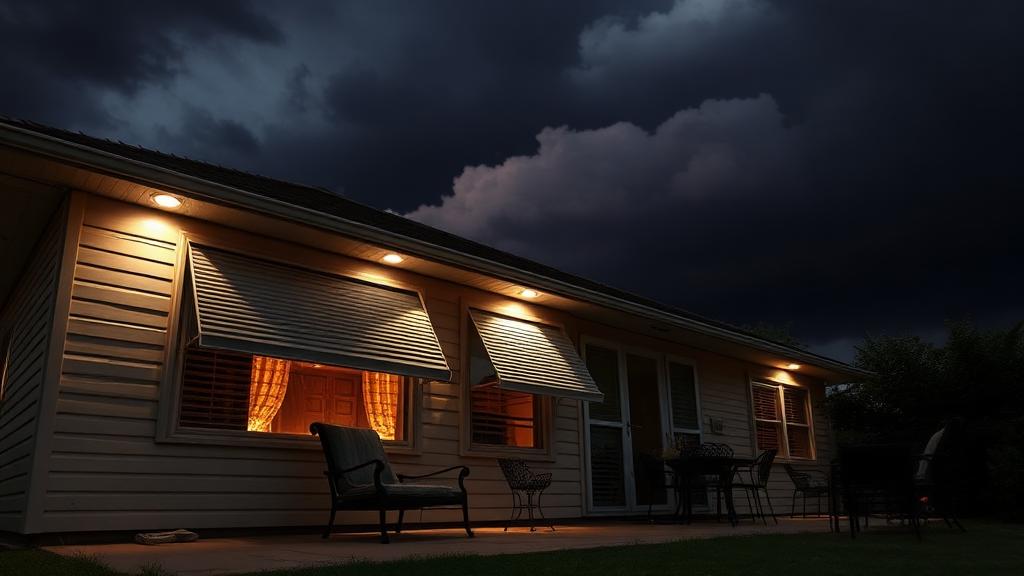
Insurers and disaster researchers keep finding the same pattern: a handful of specific weak points — garage doors, roof edges, unsecured outdoor items, and tree limbs — account for a disproportionate share of wind and storm damage claims. Addressing those first gives the best return before moving to bigger structural upgrades.
Low-cost, high-impact fixes
- Trim dead or overhanging tree limbs before storm season — falling limbs are one of the most common causes of roof and window damage.
- Secure or store outdoor furniture, grills, and decorations before any forecast storm; unsecured items become projectiles in high wind.
- Clean gutters and check downspout extensions so heavy rain drains away rather than pooling at the foundation.
- Caulk and seal any gaps around windows and doors to reduce wind-driven water intrusion.
Insurance documentation before storm season
Photograph or video the exterior and interior of the home, including the roof if safely accessible, and store copies somewhere other than the house itself -- cloud storage or a family member's home. This documentation speeds claims significantly and helps establish pre-storm condition if a dispute arises over damage extent.
Windows and doors specifically
- Check weatherstripping and seals on all exterior doors, since wind-driven rain finds gaps quickly during a storm.
- Reinforce or replace older sliding glass doors, which are often weaker under wind load than swinging doors.
- Consider temporary plywood coverings as a low-cost fallback for windows without permanent shutters in an active hurricane warning.
How far in advance should storm prep start once a specific storm is forecast?
As soon as a watch is issued -- securing loose items, fueling generators, and confirming supplies takes longer than most people expect, and stores and gas stations empty out fast as a warning approaches.
Mid-cost structural upgrades
| Upgrade | Approx. relative cost | Protects against |
|---|---|---|
| Garage door bracing kit | Low | Door failure under wind pressure, which can lead to roof loss |
| Impact-resistant window film | Low-Medium | Broken glass from wind-borne debris |
| Roof deck resealing / re-nailing | Medium | Shingle loss and water intrusion at wind speeds below full replacement threshold |
| Storm shutters | Medium | Window breakage in hurricane-prone regions |
| Impact-resistant windows | High | Full window failure and pressure loss inside the home |
Roof-specific hardening
Roof edges and corners take the highest wind uplift pressure, which is why roof failures often start there rather than in the middle of a roof plane. Re-nailing loose shingles at edges, ensuring proper drip edge flashing, and using ring-shank nails on any new roofing work all meaningfully improve wind resistance for a modest cost increase over standard practice.
Before the season, not during the warning
- Trim trees and clean gutters at the start of storm season, not when a specific storm is already forecast.
- Do a walk-around to identify loose fencing, siding, or roofing that needs attention.
- Confirm you know how to shut off gas, water, and electricity in an emergency.
- Photograph the exterior of the home for insurance documentation before any damage occurs.
Does homeowners insurance ever discount premiums for storm-hardening upgrades?
In many storm-prone regions, yes — impact windows, roof upgrades, and documented wind mitigation inspections can lower premiums. Check with your insurer before spending, since documentation requirements vary.
What's the single most cost-effective storm prep step?
Tree trimming and securing loose outdoor items — both are inexpensive or free and address two of the most common sources of storm damage claims.
A worked example: garage door bracing
A standard double garage door without bracing can fail at wind speeds well below what the rest of the structure could otherwise withstand. A bracing kit costing a modest amount and an afternoon of installation raises that threshold substantially -- a clear case where a small upfront cost meaningfully changes the odds of a much larger roof and structural claim.
Common mistakes
- Waiting until a storm is already in the forecast to trim trees or secure loose items, when time and contractor availability are both short.
- Assuming impact windows alone make a home storm-proof while ignoring the garage door and roof edges.
- Skipping the insurance documentation step, which slows claims significantly after damage occurs.
- Bracing a garage door but leaving the door track and hardware itself old and worn, which can still fail under pressure.
Emergency kit and communication plan
Storm-proofing the structure matters, but a household plan matters just as much once a storm actually hits: know where flashlights, a battery or hand-crank radio, and a few days of water and non-perishable food are kept, and agree on a communication plan if cell service goes down. None of this costs much, and it's the piece most often skipped in favor of structural upgrades.
Regional priorities differ
- Hurricane zones: impact windows, garage bracing, and roof strapping matter most.
- Tornado-prone regions: a reinforced safe room or basement area matters more than window hardening.
- Wildfire-adjacent areas: ember-resistant vents and non-combustible roofing and siding take priority over wind-specific upgrades.
Is a whole-house generator worth it for storm prep?
It depends on how often the area loses power and for how long -- in regions with frequent multi-day outages it pays for itself in avoided food loss and comfort; in areas with rare, short outages a portable generator is usually enough.
How often should I redo tree trimming for storm prep?
Annually before storm season for a basic check, with a more thorough professional trim every 2-3 years for larger trees near the house.
Run the numbers for your own project
- Roof Pitch and Shingle CalculatorWhat is my roof pitch, and how many shingles do I need?
- Project Cost EstimatorWhat will this project cost me?
Keep reading
- How Much Paint Do You Actually Need for a Room?The tin says 400 square feet. Your wall says otherwise. Here is the arithmetic that actually holds up.
- DIY or Hire a Pro? A Decision Framework That Is Not About MoneyThe labour saving is real. So is the cost of a job done twice — and of tools you use once.
- Storage for Small Rooms That Does Not Make Them SmallerSmall rooms do not need more storage. They need storage that stops interrupting the eye.