Spring Home Inspection Walkthrough: What Winter Left Behind
By Jim Vernon · 4 min read · Last updated
Winter doesn't damage a house loudly. Spring is when you go looking for what it did quietly.
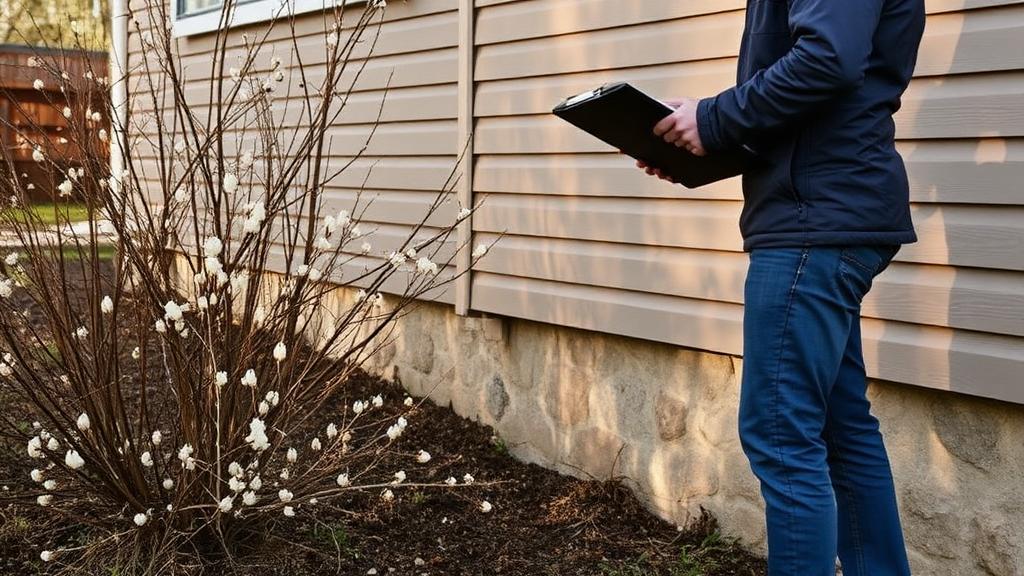
Freeze-thaw cycling, ice, and heavy snow load are slow, cumulative stresses. A spring walkthrough with a specific checklist catches the damage before it compounds through another season of rain and heat.
Exterior first
- Roof: check for shingles lifted or lost over winter storms, and look for ice-dam staining along eaves.
- Foundation: walk the perimeter looking for new cracks or ones that widened over winter — mark existing cracks with tape and date to track movement over future seasons.
- Concrete: check driveways, walkways, and patio slabs for new frost heave or surface scaling.
- Downspouts: confirm extensions are still positioned to carry water away from the foundation after any winter disturbance.
- Fencing and decking: check for posts loosened by frost heave.
Exterior paint and caulk after winter
Freeze-thaw cycling is hard on exterior caulk and paint film, both of which can crack from repeated expansion and contraction. Walk the trim, window frames, and siding joints specifically looking for cracked or missing caulk lines, since these are entry points for water that won't be obvious from a quick glance.
Pest entry points
- Check foundation vents and crawlspace screens for gaps that opened up over winter or from rodent activity.
- Inspect the attic for signs of new pest activity, which tends to increase as temperatures rise and animals seek nesting sites.
- Seal any gaps around utility penetrations (pipes, cables) entering the home, a common overlooked entry point.
Should a spring inspection include the water heater and other appliances?
A quick check is worthwhile -- look for corrosion, small leaks, or unusual noises, since spring is a natural time to catch issues before summer travel season when a failure would go unnoticed longer.
Interior checks
| Area | What to check | What it might mean |
|---|---|---|
| Attic | Damp insulation, daylight through the roof deck | Roof leak or ice dam damage |
| Basement/crawlspace | New water stains, musty smell, efflorescence | Foundation seepage from snowmelt |
| Window and door frames | Soft wood, new gaps around caulking | Water intrusion or seal failure over winter |
| Ceilings below the attic | Brown rings or bubbling paint | Slow roof or ice-dam leak |
Systems worth a spring check
- HVAC: replace or clean filters, and consider a pre-season AC service before the first hot stretch.
- Outdoor spigots: turn water back on gradually and check for leaks at the connection, which can reveal winter freeze cracking.
- Irrigation systems: check for broken heads or lines after freeze cycling before running a full watering schedule.
- Smoke and carbon monoxide detectors: test and replace batteries as part of the seasonal routine, not a separate task.
Landscaping and drainage
Check that grading still slopes away from the foundation — winter frost heave and snow removal can shift soil and mulch closer to the house than intended, which redirects water toward the foundation instead of away from it.
How long should a spring inspection take?
A thorough walkthrough of the exterior, attic, and basement typically takes 1-2 hours for an average home, longer if you're tracking specific issues from the year before.
What's the single most common thing found in spring inspections?
Gutter and downspout issues — clogging, sagging, or disconnected extensions — followed by minor new foundation or driveway cracking from freeze-thaw.
A simple room-by-room order
- Start in the attic, since roof and insulation issues are easiest to see from above before checking anywhere else.
- Move to interior ceilings and upper walls, looking for staining that would correlate with anything seen in the attic.
- Check the basement or crawlspace for standing water, staining, or musty smell from snowmelt.
- Finish outside with the roof, foundation, gutters, and grading, tying findings back to what you saw inside.
Common mistakes
- Checking only the areas that caused problems last year and skipping a full walkthrough.
- Missing small foundation cracks because they weren't marked or measured the previous season.
- Assuming a musty basement smell is normal for spring rather than checking for an actual water source.
- Turning outdoor spigots back on at full pressure without checking connections for winter cracking first.
Should I do a spring inspection even after a mild winter?
Yes -- even mild winters bring freeze-thaw cycling and heavy spring rain, both of which stress gutters, grading, and foundations regardless of how cold it got.
Deck, patio, and outdoor structures
Frost heave can lift and shift paver patios, deck footings, and fence posts over winter even when nothing looks obviously wrong. Check for boards that have shifted relative to their neighbors, pavers that have popped up unevenly, or gates that no longer swing freely -- all common, easy-to-miss signs of ground movement over the cold months.
Tracking findings year over year
| Item | This year | Action |
|---|---|---|
| Foundation crack, north wall | Widened slightly | Monitor, reassess next spring |
| Gutter, east side | Sagging section | Reattach hangers this weekend |
| Attic insulation | Even, dry | No action needed |
Is it worth keeping a written log across years?
Yes -- a simple year-over-year log turns a one-time inspection into an early warning system, since it makes slow-developing issues (a widening crack, a sagging gutter) obvious instead of easy to normalize.
What tools help with a spring inspection?
A flashlight for the attic and crawlspace, a moisture meter if you're tracking a specific damp spot, and a notebook or phone to log findings against last year's.
Run the numbers for your own project
- Gutter and Downspout CalculatorHow much gutter and how many downspouts does my roof need?
- Roof Pitch and Shingle CalculatorWhat is my roof pitch, and how many shingles do I need?
Keep reading
- How Much Paint Do You Actually Need for a Room?The tin says 400 square feet. Your wall says otherwise. Here is the arithmetic that actually holds up.
- DIY or Hire a Pro? A Decision Framework That Is Not About MoneyThe labour saving is real. So is the cost of a job done twice — and of tools you use once.
- Storage for Small Rooms That Does Not Make Them SmallerSmall rooms do not need more storage. They need storage that stops interrupting the eye.