Siding Materials Compared: Vinyl, Fiber Cement, Wood, and Metal
By Jim Vernon · 4 min read · Last updated
Siding is a once-a-generation purchase. The differences between materials matter more than the color chip.
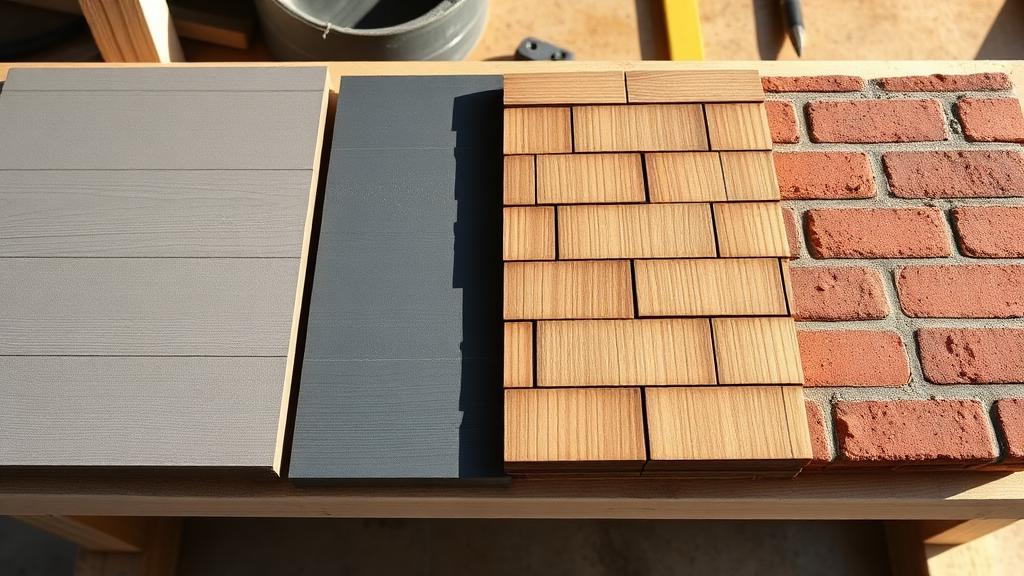
Most siding decisions get made on appearance alone, but the material determines maintenance schedule, storm resistance, and resale expectations for the next 20-50 years. The four common options split clearly on cost, upkeep, and durability.
Material comparison
| Material | Lifespan | Maintenance | Relative cost | Notes |
|---|---|---|---|---|
| Vinyl | 20-40 years | Occasional wash, no painting | Low | Can crack in extreme cold, fades over decades |
| Fiber cement | 30-50 years | Repaint every 10-15 years | Medium-High | Heavy, needs pro install; excellent fire and rot resistance |
| Wood (cedar, etc.) | 20-40 years with upkeep | Repaint or restain every 3-7 years | Medium-High | Most maintenance-intensive but classic appearance |
| Metal (aluminum, steel) | 30-50 years | Touch-up on scratches/dents | Medium-High | Steel can rust if coating is breached; aluminum dents more easily |
Color and finish longevity
Factory-applied finishes on fiber cement and metal siding generally hold color longer than field-applied paint on wood, since factory finishes cure under controlled conditions. Vinyl's color is embedded throughout the material rather than a surface coating, which is why it doesn't chip but does fade uniformly over many years of UV exposure.
Warranty considerations
- Compare prorated versus non-prorated warranty terms -- many manufacturer warranties reduce coverage value significantly after the first decade.
- Confirm whether installation labor is covered separately from material defects, since labor is often the larger cost if a warranty claim requires replacement.
- Ask whether the warranty transfers to a new owner if you plan to sell before it expires, since transferability can be a selling point.
Does siding material affect a home's insulation performance?
Siding itself contributes only marginally to overall wall insulation compared to the wall cavity insulation, though insulated vinyl and foam-backed panels do add some incremental R-value over standard options.
Climate suitability
- Coastal/high-wind: fiber cement or properly rated vinyl with high wind-load ratings; avoid materials prone to corrosion near salt air unless coated for it.
- Cold climates with freeze-thaw: vinyl can become brittle in extreme cold; fiber cement and wood handle temperature swings better.
- Wildfire-prone regions: fiber cement has a strong fire-resistance advantage over vinyl and wood.
- High humidity: fiber cement and vinyl resist moisture-driven rot better than untreated wood.
Installation cost drivers beyond the material itself
- Removal of existing siding, which adds labor cost regardless of the new material.
- House wrap and moisture barrier replacement, often required by code on a full re-side.
- Trim, corner, and window detail work, which is more labor-intensive with fiber cement than vinyl.
- Repair of any rotted sheathing found once old siding comes off — a common surprise cost.
Repair versus full replacement
Vinyl and metal siding can often be spot-repaired by replacing individual panels, since they're installed in interlocking, overlapping courses. Fiber cement repairs are possible but color-matching aged paint is harder. Extensive damage or widespread age-related failure (warping, rot, fading beyond touch-up) usually tips the math toward a full re-side.
Which siding material has the best resale value impact?
Fiber cement consistently ranks highest in cost-recouped studies for exterior remodeling, though vinyl replacement also recoups a strong share of its cost at a lower upfront price.
Is vinyl siding a fire risk?
Vinyl can melt and deform at lower temperatures than fiber cement or metal, which matters most in wildfire-prone areas or when sited close to a neighboring structure.
How do I know if it's time to reside rather than repaint?
If more than a small percentage of panels or boards are cracked, warped, or rotted, or if moisture has gotten behind the siding into the sheathing, replacement is usually more cost-effective than continued patch repairs.
Installation steps in brief
- Remove old siding and inspect sheathing for rot or water damage.
- Repair or replace damaged sheathing before anything new goes up.
- Install or update the house wrap and moisture barrier.
- Install new siding per manufacturer spacing and fastening specs, which vary meaningfully by material.
- Finish trim, corners, and flashing details, which affect both appearance and water resistance.
Common mistakes
- Nailing vinyl siding too tightly, which prevents the expansion and contraction it's designed for and causes buckling.
- Skipping sheathing repair because it's hidden behind the old siding and easy to overlook.
- Choosing a material based only on upfront cost without factoring in the maintenance schedule over 20-30 years.
- Installing fiber cement without following the manufacturer's specific fastening and clearance requirements, which can void the warranty.
A worked example: lifetime cost comparison
Vinyl siding installed at a lower upfront cost with essentially no maintenance beyond washing can look cheaper over 20 years than wood siding that needs repainting every 5 years at a real material and labor cost each time. Fiber cement, at a higher install cost but only occasional repainting, often lands in the middle over a 30-year horizon -- the lifetime comparison, not just the install quote, is what should drive the decision on a long-hold home.
Mixing materials
Many homes use more than one siding material intentionally -- fiber cement or brick on the lower level with vinyl or wood accents above, for example. This is a legitimate design and cost strategy, not a compromise, as long as flashing details where materials meet are handled correctly to keep water out.
Does siding choice affect insurance rates?
In some wildfire- or hail-prone regions, yes -- fire-resistant or impact-resistant siding materials can qualify for modest premium discounts, similar to roofing material discounts.
How much does climate really change the siding decision?
Meaningfully -- vinyl's cold-weather brittleness, wood's humidity sensitivity, and steel's corrosion risk near salt air are all climate-specific enough to shift the best choice for a given region.
Run the numbers for your own project
- Project Cost EstimatorWhat will this project cost me?
- Paint CalculatorHow much paint do I need for this room?
Keep reading
- How Much Paint Do You Actually Need for a Room?The tin says 400 square feet. Your wall says otherwise. Here is the arithmetic that actually holds up.
- DIY or Hire a Pro? A Decision Framework That Is Not About MoneyThe labour saving is real. So is the cost of a job done twice — and of tools you use once.
- Storage for Small Rooms That Does Not Make Them SmallerSmall rooms do not need more storage. They need storage that stops interrupting the eye.