Do Self-Watering Containers Actually Work, and Are They Worth It?
By Jim Vernon · 4 min read · Last updated
The main benefit isn't convenience — it's that wicking from below prevents the swing between soggy and bone-dry that kills more houseplants than anything else.
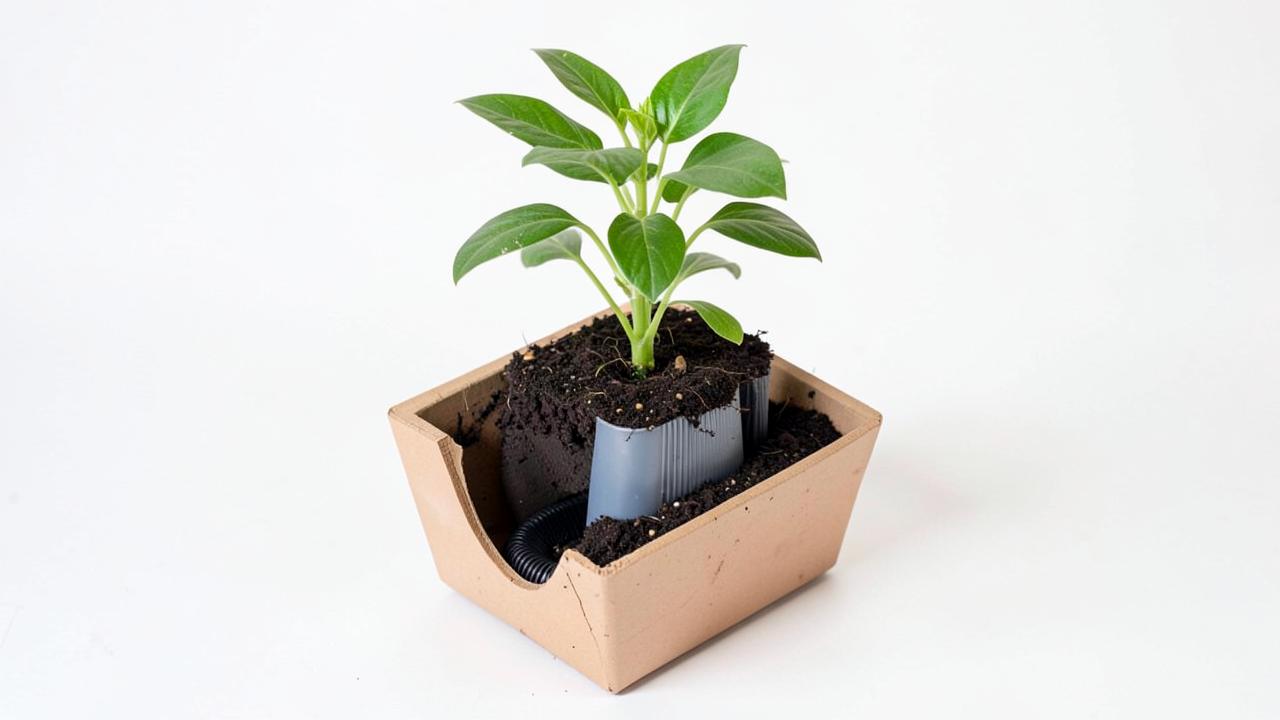
Yes, self-watering containers work well for most houseplants and many vegetables, because a bottom reservoir wicks water upward into the soil as it dries, keeping moisture more even than hand-watering from the top. They reduce watering frequency from several times a week to once every one to three weeks depending on pot size and plant, and they lower the risk of both drought stress and overwatering for people prone to either extreme.
How does the wicking mechanism actually work?
A self-watering container has a water reservoir beneath the soil, separated by a false bottom or fabric wick. Capillary action pulls water up through the wick or a wicking cord into the soil as the upper layer dries, so roots draw moisture on demand rather than the plant relying on you to notice dryness. Most designs include an overflow hole to prevent the reservoir from over-filling and drowning the roots from below.
| Container type | Refill frequency | Best for |
|---|---|---|
| Small self-watering pot (6-8 in) | Every 5-10 days | Houseplants, herbs |
| Large self-watering planter (14+ in) | Every 1-3 weeks | Tomatoes, peppers, patio vegetables |
| Standard pot, hand-watered | Every 3-7 days, variable | Any plant, more labor and more risk of missed waterings |
| Ollas (buried clay pots) | Every 1-2 weeks | In-ground or raised bed vegetables |
What plants are a poor match for self-watering pots?
- Succulents and cacti, which need soil to dry out fully between waterings and will rot in constant moisture.
- Plants that prefer to dry down significantly, like some orchids and many Mediterranean herbs (rosemary, lavender).
- Very young seedlings, which can struggle if the wicking system keeps the surface too consistently damp for good root development.
What are the real downsides?
Self-watering containers cost more upfront than a plain pot of the same size, often two to four times as much. The reservoir also needs occasional cleaning, since stagnant water can grow algae or attract mosquito larvae if left uncovered outdoors for weeks. And because the system masks how quickly a plant is using water, it's easy to forget to refill the reservoir entirely, at which point the plant dries out just as it would in a regular pot with no water at all.
How do you set one up correctly the first time?
- Fill the reservoir completely at setup and check that the overflow hole is clear.
- Use a lightweight, well-draining potting mix rather than garden soil, which compacts and blocks wicking.
- Water the top of the soil once at planting to jump-start capillary action before the wick alone takes over.
- Check the reservoir water level weekly at first to learn how fast your specific plant and pot combination draws it down.
Do they work for outdoor balcony vegetables too?
Yes, and this is where they often deliver the most value, since balcony wind and heat dry standard containers fast enough that missing even one hot day of watering can stress a tomato or pepper plant. A self-watering planter's reservoir buffers against a missed day or two of attention, which matters most for renters and frequent travelers managing a balcony garden alongside a normal schedule.
How much does a self-watering container typically cost?
Small self-watering pots for houseplants run $15-35, while larger self-watering planters suited to patio tomatoes or peppers cost $30-80 depending on size and material. That's roughly two to four times a plain pot of the same size, but for most people the reduced watering frequency and lower risk of a lost plant from a missed week justifies the price within a season or two, especially for anyone who travels often.
How do you clean and maintain the reservoir over time?
Empty and rinse the reservoir every few months, or immediately if you notice algae growth, a sour smell, or mosquito larvae in standing water left uncovered outdoors. A capful of hydrogen peroxide added to the refill water periodically helps control algae without harming roots. Check the wick or fabric strip yearly, since it can become clogged with mineral deposits from hard water and lose some of its wicking efficiency over a couple of seasons of use.
Can self-watering containers cause root rot?
It's uncommon when set up correctly, since the wicking system supplies water on demand rather than saturating the whole root zone, but it can happen if the overflow hole is blocked or the potting mix is too dense and stays waterlogged at the base. Use a well-draining mix and check the overflow function before relying on the system.
How do you know when to refill the reservoir?
Most self-watering containers include a water-level indicator or a fill tube you can check by dipping a stick. Without an indicator, refill on a schedule based on your first few weeks of observation, then adjust up or down with the seasons as plant water use changes.
Are self-watering containers good for vacations?
For trips of one to two weeks, a properly sized and filled self-watering container will typically keep most plants healthy without intervention, especially indoors where evaporation is slower than on a windy balcony. For longer trips, pair it with a helper who checks the reservoir once.
Can you convert a regular pot into a self-watering one?
Yes, a basic DIY conversion using a nested mesh basket, a wicking cord, and a fill tube built into a plastic tub replicates most of the function of a commercial unit for a fraction of the cost, and works well for balcony vegetable growers scaling up several containers at once.
Run the numbers for your own project
- Plant Watering CalculatorHow often and how much should I water this plant?
- Raised Bed Soil CalculatorHow much soil do I need to fill my raised bed?
Keep reading
- How Much Paint Do You Actually Need for a Room?The tin says 400 square feet. Your wall says otherwise. Here is the arithmetic that actually holds up.
- DIY or Hire a Pro? A Decision Framework That Is Not About MoneyThe labour saving is real. So is the cost of a job done twice — and of tools you use once.
- Storage for Small Rooms That Does Not Make Them SmallerSmall rooms do not need more storage. They need storage that stops interrupting the eye.