Which Renovations Actually Pay Back at Resale in 2026?
By Jim Vernon · 5 min read · Last updated
A $10,000 mid-range bathroom remodel often returns more of its cost than a $60,000 luxury one.
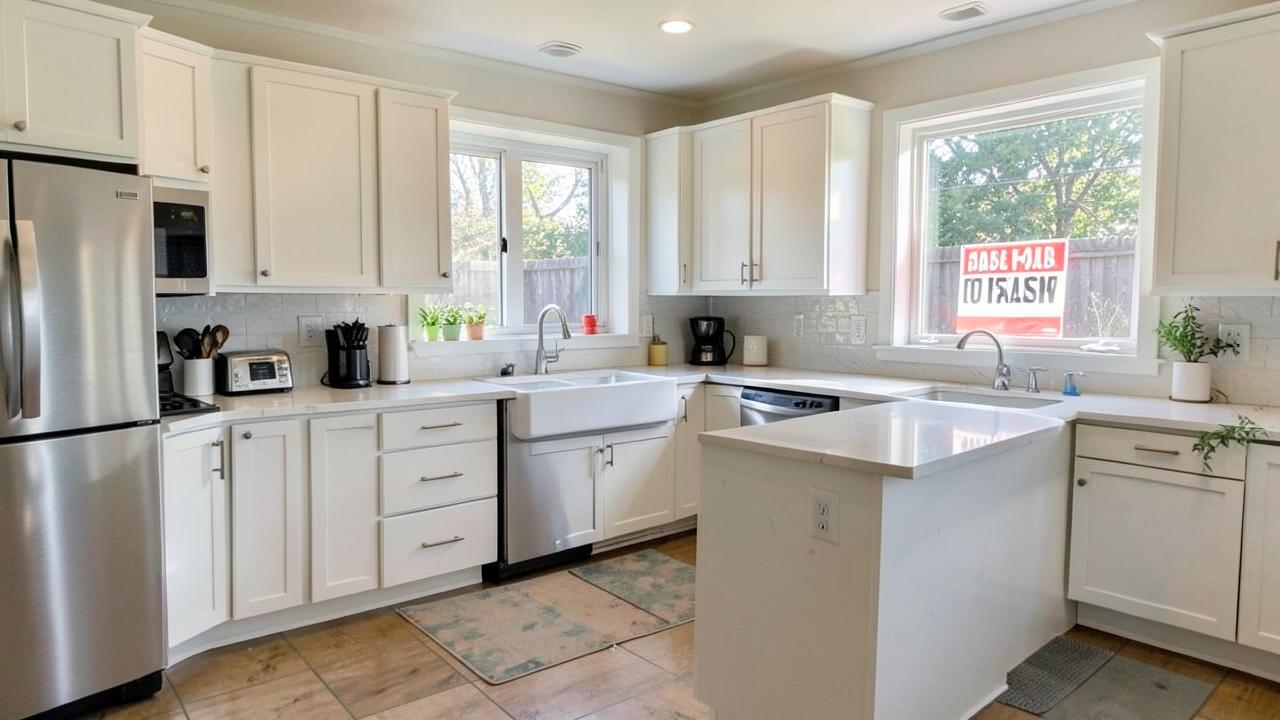
The renovations with the best resale payback are consistently smaller, curb-appeal-focused, and functional rather than luxury: garage door replacement, minor kitchen remodels, new siding, and manufactured stone veneer routinely recoup 70-95%+ of cost, while large-scale luxury additions and high-end primary suite remodels often recoup only 40-60%. Regional markets vary, so treat these as national averages, not guarantees for any specific house.
Which projects return the most value at resale?
| Project | Typical cost range | Typical resale value recouped |
|---|---|---|
| Garage door replacement | $1,200-$3,500 | 90-100%+ |
| Manufactured stone veneer (entry accent) | $8,000-$12,000 | 85-95% |
| Minor kitchen remodel (cabinets refaced, new counters/appliances) | $15,000-$27,000 | 70-85% |
| New steel/fiberglass entry door | $1,500-$3,000 | 65-90% |
| Siding replacement (vinyl or fiber cement) | $12,000-$20,000 | 70-85% |
| Deck addition (wood) | $15,000-$22,000 | 60-75% |
| Major kitchen remodel (high-end) | $70,000-$150,000+ | 40-55% |
| Primary suite addition | $130,000-$300,000+ | 35-50% |
Why do small projects outperform luxury remodels percentage-wise?
Small, visible upgrades cost little relative to the value they add in buyer perception — a garage door is one of the first things a buyer sees, and a dated one signals neglect throughout the house even if the interior is fine. Luxury remodels, by contrast, run into a ceiling: buyers in a given neighborhood will only pay so much regardless of how much marble is in the primary bath, so spending far beyond the neighborhood's price point rarely returns dollar-for-dollar.
Does location change which projects are worth it?
- In hot, competitive markets, cosmetic refreshes (paint, landscaping, minor kitchen) often sell homes faster even if the dollar-for-dollar return is similar to a slower market.
- In markets with older housing stock, system upgrades (roof, HVAC, electrical panel) can matter more to buyers and appraisers than cosmetic work, because inspection issues can kill a deal outright.
- Overspending relative to neighborhood comps — a $150,000 kitchen in a $300,000 neighborhood — rarely returns its full cost regardless of quality.
Should you renovate for resale value or for your own enjoyment?
If you're selling within 1-2 years, prioritize projects with strong resale recoupment and skip highly personal choices (bold paint colors, niche built-ins). If you're staying 5+ years, weigh your own enjoyment more heavily — you'll get years of daily use from a project before resale math even applies, and tastes and markets shift by the time you sell anyway.
What renovations tend to lose money at resale?
Highly personalized or over-customized spaces — home theaters, elaborate wine cellars, swimming pools in cooler climates — often add little to no resale value and can actively deter some buyers who don't want the maintenance. Similarly, converting a bedroom into an office or gym without an easy path back to a bedroom can reduce a home's marketed bedroom count and hurt resale price.
How do appraisers factor renovations into a home's value?
Appraisers rely heavily on comparable recent sales in the immediate neighborhood, which means a renovation that pushes a home well above nearby comps often won't appraise for its full cost, regardless of quality. This matters most for buyers financing with a mortgage, since a low appraisal can hold up or derail a sale. Before a major remodel, pulling recent comps for similar-sized homes nearby gives a realistic ceiling on what the market will actually support.
Do energy-efficiency upgrades pay back at resale the way cosmetic ones do?
Energy upgrades like attic insulation, new windows, and heat pump replacements tend to recoup less of their cost in a direct dollar-for-dollar resale comparison than cosmetic projects, typically 40-70%, but they can shorten a home's time on market and show well in a listing that highlights lower utility bills. In colder climates and in markets where buyers are increasingly asking about energy costs upfront, efficiency upgrades carry more marketing weight than national averages alone suggest.
What's the best order to prioritize renovations if budget is limited before selling?
- Address any deferred maintenance or safety issues first — a failing roof or knob-and-tube wiring will surface in inspection regardless of cosmetic upgrades.
- Deep clean and declutter, which costs little and consistently improves buyer perception more than most renovations.
- Paint interior walls in neutral tones and refresh exterior curb appeal (landscaping, front door, house numbers).
- Tackle a minor kitchen or bathroom refresh only if the existing one is clearly dated compared to neighborhood comps.
- Skip major structural or luxury remodels this close to selling unless a buyer's inspection or appraisal specifically requires it.
How much does timing before a sale affect which projects make sense?
Projects with long lead times — a full kitchen remodel, a new roof, or a room addition — rarely make sense in the final 2-3 months before listing, since permit delays, contractor scheduling, and material backorders can easily blow past a target listing date and leave a home mid-renovation when a buyer's market window is best. Reserve major projects for at least 6-12 months before a planned sale, and use the final weeks before listing for fast, high-return work like paint, cleaning, and landscaping that can be completed in days rather than weeks.
Is it worth getting a pre-listing inspection before deciding what to renovate?
A pre-listing inspection, typically $300-$500, flags issues a buyer's inspector would likely find anyway, letting you address cheap fixes upfront and price in known bigger issues rather than negotiating from a weaker position after an offer is already in hand. This is especially useful for older homes, where an unexpected roof or HVAC issue found mid-contract can delay closing or cause a buyer to walk.
Is a kitchen remodel always worth doing before selling?
A minor refresh (paint cabinets, new hardware, updated counters) often pays back well, typically 70-85% of cost. A full high-end gut remodel rarely pays back fully and is usually not worth it purely for resale.
Do renovation payback percentages vary by region?
Yes, significantly. National cost-vs-value reports are a starting point, but local buyer preferences, climate, and housing stock age change which projects perform best in a given market.
Should I renovate right before listing or hold off?
Prioritize quick, high-return projects (paint, curb appeal, minor kitchen/bath fixes) in the weeks before listing, and skip major remodels you won't recoup before a fast sale timeline.
Run the numbers for your own project
- Project Cost EstimatorWhat will this project cost me?
- Home Maintenance ScheduleWhat should I be doing to my home this month?
Keep reading
- How Much Paint Do You Actually Need for a Room?The tin says 400 square feet. Your wall says otherwise. Here is the arithmetic that actually holds up.
- DIY or Hire a Pro? A Decision Framework That Is Not About MoneyThe labour saving is real. So is the cost of a job done twice — and of tools you use once.
- Storage for Small Rooms That Does Not Make Them SmallerSmall rooms do not need more storage. They need storage that stops interrupting the eye.