Cutting Household Water Use Without a Big Renovation
By Jim Vernon · 4 min read · Last updated
Most water savings come from a handful of fixtures and one bad habit, not from turning the tap off while brushing your teeth.
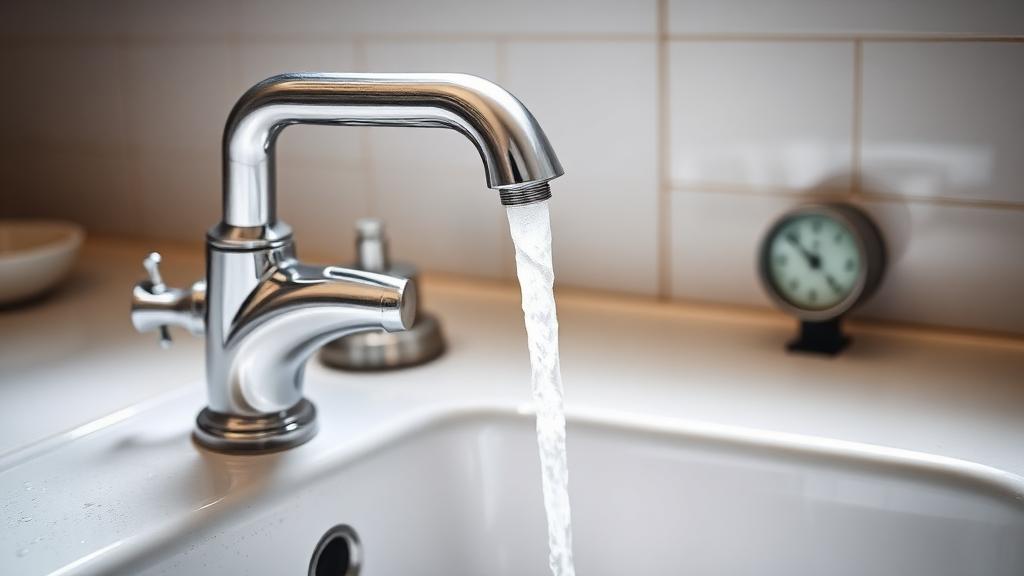
Household water use is heavily concentrated in a few categories, which means targeting the right ones matters far more than a scattershot approach to small habits. Toilets, showers, and outdoor irrigation typically dominate total household use, while things like dishwashing by hand or brushing teeth are comparatively minor.
Where the water actually goes
| Use | Approx. share of indoor use | Best lever |
|---|---|---|
| Toilets | ~24% | Low-flow or dual-flush fixture; fix silent leaks |
| Showers | ~20% | Low-flow showerhead; shorter showers |
| Faucets | ~19% | Aerators; fix drips |
| Clothes washer | ~17% | Full loads only; efficient machine |
| Leaks | ~12% | Regular checks — often invisible until the bill arrives |
| Other (dishwasher, baths) | ~8% | Full loads; efficient appliances |
Outdoor use deserves the same scrutiny as indoor fixtures — a single broken sprinkler head can waste more water in an afternoon than a week of careful indoor habits saves, and it is often invisible unless someone walks the yard while the system is running.
The leak that costs the most and shows the least
A running or slowly leaking toilet flapper can waste far more water per day than a dripping faucet, often silently, since the sound is easy to miss and the water disappears down the same drain it always does. A simple test: add a few drops of food coloring to the tank and check the bowl after 10-15 minutes without flushing — any color in the bowl means the flapper is leaking.
Fixture upgrades with fast payback
- Low-flow showerheads (1.5-2.0 gallons per minute vs. older 2.5+ gpm fixtures) cut shower water meaningfully with no noticeable pressure loss on most modern designs.
- Faucet aerators are inexpensive, install in minutes, and reduce flow without a noticeable change in usability for handwashing or dishwashing.
- Dual-flush or low-flow toilets use a fraction of the water of pre-1990s models, and this single swap is often the biggest indoor water reduction available in an older home.
Outdoor water use in a dry climate
- Water lawns and beds early morning or evening to reduce evaporation loss compared with midday watering.
- Group plants by water need so thirsty plants aren't watered on the same schedule as drought-tolerant ones.
- Use mulch to slow evaporation from soil surfaces, cutting how often beds need watering.
- Install a rain barrel to capture roof runoff for garden use rather than relying entirely on tap water.
- Check irrigation timers seasonally — a schedule set for summer heat is often overwatering in spring and fall.
Habits that genuinely matter
Running the dishwasher and washing machine only with full loads has a real, measurable effect because both appliances use close to the same amount of water regardless of load size. Shorter showers help too, but the effect scales with the flow rate of the showerhead — a low-flow head already limits the ceiling on how much a shorter shower can save.
A worked example: the payback on a showerhead swap
Swapping a 2.5 gallon-per-minute showerhead for a 1.75 gpm model cuts flow by 30%. For an 8-minute shower, that's a drop from 20 gallons to 14 gallons per shower — roughly 42 gallons a week for one person, or well over 2,000 gallons a year. A basic low-flow showerhead typically costs $15-40, so the fixture pays for itself in water savings alone within the first few months for most utility rate structures.
How much toilets have changed
| Toilet era | Gallons per flush |
|---|---|
| Pre-1980s models | 5-7 gpf |
| 1980s-1993 models | 3.5 gpf |
| 1994 federal standard onward | 1.6 gpf |
| WaterSense-certified models | 1.28 gpf or less |
| Dual-flush (liquid/solid settings) | 0.8-1.1 gpf on the low setting |
A household still running a pre-1994 toilet flushed 5-6 times a day is using roughly 3,500-4,500 more gallons a year per toilet than a WaterSense model would use for the identical number of flushes — often enough on its own to justify a $150-300 toilet replacement within a few years on water cost alone, before counting any sewer or wastewater charges that scale with metered use.
Common mistakes
- Assuming a higher water bill means a rate increase before checking for a running toilet or irrigation leak.
- Watering the lawn at midday, when evaporation loss is highest and the least water actually reaches the roots.
- Leaving an irrigation timer on a fixed summer schedule through cooler spring and fall months.
- Focusing effort on shorter showers while ignoring an old high-flow showerhead, which limits how much a shorter shower can actually save.
- Skipping full loads on the dishwasher or washer, since both use close to the same water regardless of how full they are.
Do low-flow fixtures actually work as well as older ones?
Modern low-flow fixtures use pressure-compensating and aerating designs that maintain a comparable feel to older high-flow fixtures for most users, unlike early low-flow models from the 1990s that had a real reputation for weak pressure.
How much water does a running toilet actually waste?
A significantly leaking flapper can waste hundreds of gallons a day, which is often more than an entire household's normal daily use, making it one of the highest-value repairs in a home.
Is a rain barrel worth it in a place with irregular rainfall?
It still reduces tap water use for garden watering whenever rain does fall, and even partial capture during wetter months takes pressure off tap water use during dry spells.
Run the numbers for your own project
- Rain Barrel and Water Harvest CalculatorHow much rainwater can I actually harvest from my roof?
- Energy Savings CalculatorWill this upgrade pay for itself?
Keep reading
- How Much Paint Do You Actually Need for a Room?The tin says 400 square feet. Your wall says otherwise. Here is the arithmetic that actually holds up.
- DIY or Hire a Pro? A Decision Framework That Is Not About MoneyThe labour saving is real. So is the cost of a job done twice — and of tools you use once.
- Storage for Small Rooms That Does Not Make Them SmallerSmall rooms do not need more storage. They need storage that stops interrupting the eye.