How to Read and Compare Contractor Quotes Without Getting Burned
By Jim Vernon · 5 min read · Last updated
A quote missing line items isn't a bargain — it's a change order waiting to happen.
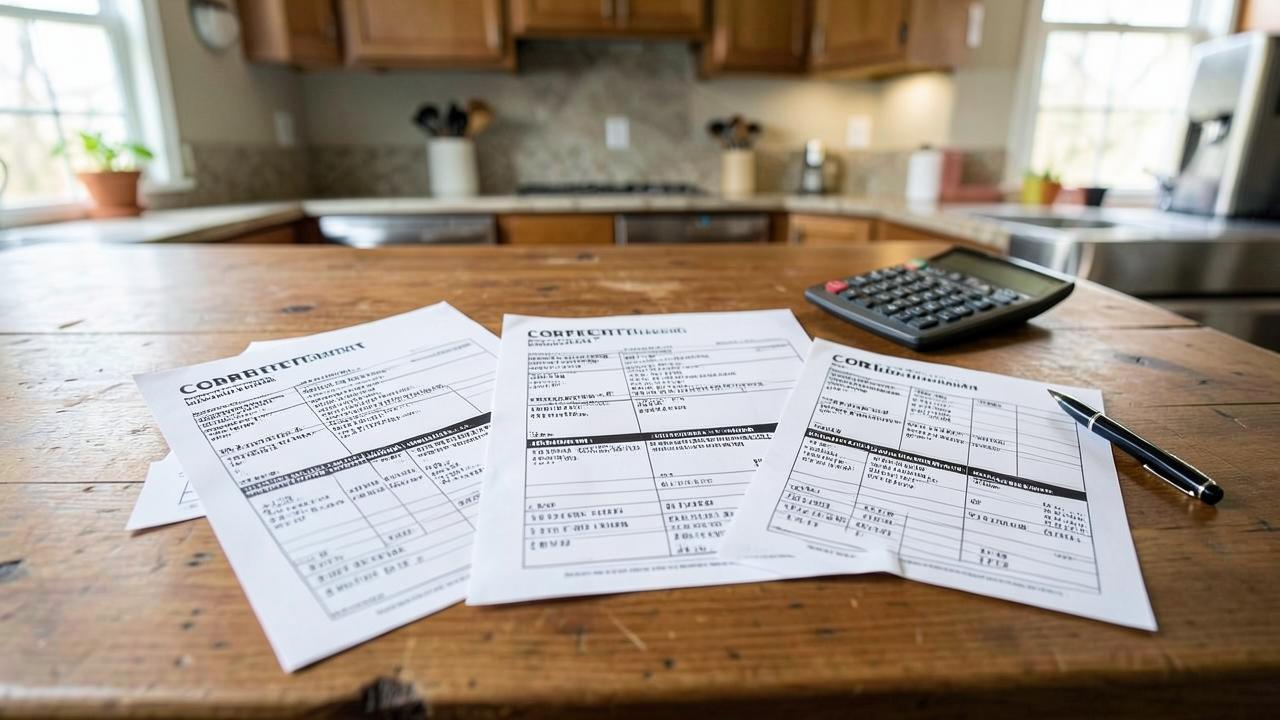
Compare contractor quotes by checking that each one itemizes the same scope of work, materials, and timeline — not just the bottom-line number. A detailed $18,000 quote and a vague $14,000 quote for 'the same job' usually aren't comparable at all, because the cheaper one is often missing permit fees, disposal costs, or material-grade specifics that surface later as change orders.
What should a legitimate written quote always include?
- Itemized labor and materials, not just a single lump sum.
- Specific material brands/grades (e.g., '3/4 in cabinet-grade plywood' not just 'plywood').
- Who pulls the permit and whether the permit fee is included in the quote.
- A payment schedule tied to milestones, not a large upfront deposit before work starts.
- Start date, estimated completion date, and what happens if the timeline slips.
- Proof of license number and current liability insurance, verifiable with your state board.
How many quotes should you actually get?
Three quotes is the practical sweet spot: enough to spot a wildly high or suspiciously low outlier, without spending weeks scheduling estimates. Get quotes from contractors who've seen the space in person — phone or photo-only estimates for anything beyond simple repairs are unreliable and often change once work starts.
| Red flag | What it usually means |
|---|---|
| Quote is 30%+ below the other two | Missing scope, lower-grade materials, or a bid to win the job then add change orders |
| Asks for 50%+ deposit before starting | Cash-flow problems or a less established business; many states cap deposits by law |
| No written contract, verbal agreement only | No recourse if scope or timeline disputes arise |
| Can't produce license/insurance on request | Possible unlicensed or underinsured work — you may be liable for on-site injuries |
| Pressure to sign same-day for a 'discount' | Common high-pressure sales tactic, especially in exterior/roofing sales |
How do you make quotes truly apples-to-apples?
Write a one-page scope document before requesting quotes — list exact materials, finishes, and any demolition or disposal expectations — and give the identical document to every contractor. This removes ambiguity about what's included and makes differences in price reflect differences in labor rate and margin rather than differences in scope.
What should you do once you've picked a contractor?
Get the final agreed scope in a signed contract before any deposit changes hands, confirm the payment schedule matches project milestones (e.g., 30% at start, 30% at rough-in, 30% at substantial completion, 10% at final walkthrough), and keep all change orders in writing with updated pricing — verbal 'while we're at it' additions are the most common source of final-bill surprises.
How long should getting quotes actually take?
Budget 2-4 weeks from first call to signed contract for a mid-size project like a bathroom or kitchen remodel: a week to schedule walkthroughs with 3 contractors, another 1-2 weeks for them to prepare detailed written quotes, and a few days for your own comparison and questions. Rushing this timeline to start sooner is one of the most common reasons homeowners end up with an incomplete or vague quote, since a same-week estimate rarely reflects careful measurement or material research.
What do allowance line items in a quote actually mean?
An allowance is a placeholder dollar amount for a selection you haven't finalized yet — for example, '$1,500 tile allowance' when you haven't picked the tile. Allowances are normal and useful, but ask what happens if your actual selection costs more: reputable contractors bill only the difference, while vague contracts can turn a modest overage into a disputed change order. Push for allowances that reflect realistic mid-range pricing, not artificially low numbers designed to make the initial quote look cheaper than it will end up being.
Are online instant-quote tools reliable for larger projects?
Online calculators and instant-quote apps are useful for rough budgeting on projects under a few thousand dollars, but for anything involving structural work, permits, or multiple trades, they typically miss site-specific conditions — an outdated electrical panel, uneven subfloor, or hidden water damage — that only show up during an in-person walkthrough. Treat instant quotes as a starting range, not a number to hold a contractor to once they've seen the actual space.
How should regional cost differences affect how you read a quote?
Labor rates for licensed trades can vary 40-80% between a low-cost rural market and a major metro area, so a quote that looks high compared to a national average or an online estimate may simply reflect local labor and permit costs rather than overpricing. Cross-check quotes against other contractors in your own metro area rather than national benchmarks, and ask your local building department about typical permit fees so you can tell whether a quote's permit line item is reasonable for your jurisdiction.
What does a fair payment schedule actually look like?
A reasonable schedule ties payments to completed milestones rather than the calendar: a modest deposit (commonly 10-30%, and capped by law in some states) to secure materials and scheduling, progress payments at clearly defined stages like rough-in completion or drywall close-up, and a final payment (often 10%) held until after a walkthrough confirms the punch list is done. Be cautious of any contractor asking for more than a third of the total cost before work visibly begins, since it shifts most of the financial risk onto you if the job stalls or the contractor doesn't finish.
Should I always choose the middle-priced quote?
Not automatically, but a middle bid is a reasonable default when the lowest is vague and the highest doesn't clearly justify its premium. Match the decision to scope completeness and contractor reputation, not just price position.
Is it normal for a quote to change after the contractor sees the space?
Yes, minor adjustments after an in-person walkthrough are normal, especially for older homes with hidden conditions. Large changes (more than 15-20%) without a clear reason are worth questioning.
How do I verify a contractor's license and insurance?
Ask for the license number and insurance certificate directly, then verify both with your state's contractor licensing board website and by calling the insurer to confirm the policy is active.
Run the numbers for your own project
- Project Cost EstimatorWhat will this project cost me?
- Home Maintenance ScheduleWhat should I be doing to my home this month?
Keep reading
- How Much Paint Do You Actually Need for a Room?The tin says 400 square feet. Your wall says otherwise. Here is the arithmetic that actually holds up.
- DIY or Hire a Pro? A Decision Framework That Is Not About MoneyThe labour saving is real. So is the cost of a job done twice — and of tools you use once.
- Storage for Small Rooms That Does Not Make Them SmallerSmall rooms do not need more storage. They need storage that stops interrupting the eye.