What Are the Real Pros and Cons of Luxury Vinyl Plank Flooring?
By Jim Vernon · 4 min read · Last updated
LVP is genuinely water-resistant and DIY-friendly, but 'waterproof' and 'scratch-proof' oversell what the product delivers.
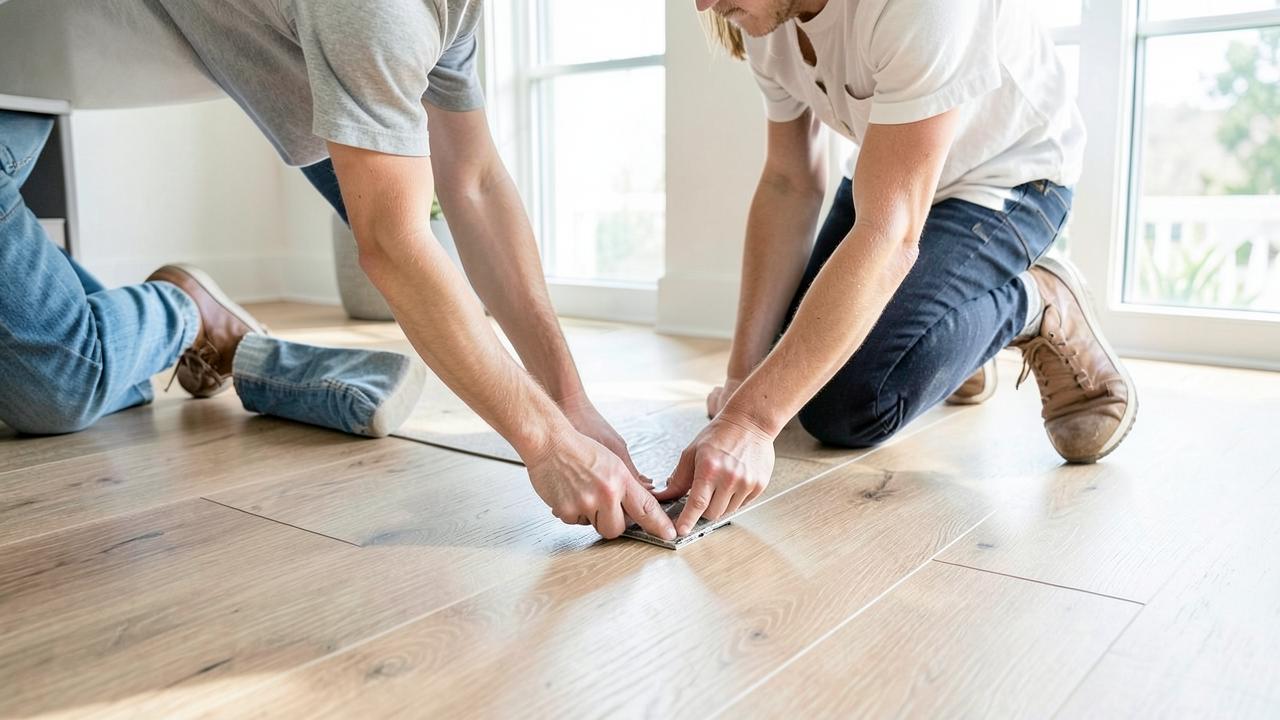
Luxury vinyl plank (LVP) is a multi-layer synthetic flooring with a printed wood- or stone-look layer under a clear wear layer, installed either as floating click-lock planks or glued down. It genuinely resists standing water at the surface and installs faster and cheaper than hardwood or tile, but it can still be damaged by heat, heavy point loads, and poor subfloor prep, and 'waterproof' only applies to the plank itself, not the seams or edges over time.
What does 'waterproof' actually mean for LVP?
Rigid-core LVP (WPC or SPC core) is genuinely impermeable to water at the plank surface, meaning a spill sitting on top for a few hours won't warp or swell the plank the way it would with laminate or hardwood. What manufacturers don't emphasize is that water can still seep at seams and edges if left standing for extended periods (days) or under baseboards without proper sealing, and prolonged moisture underneath from a slab issue can still cause mold or adhesive failure even though the vinyl itself survives.
How does LVP wear layer thickness affect durability?
| Wear layer thickness | Typical use case | Approx. lifespan |
|---|---|---|
| 6-8 mil | Light residential, rentals | 5-10 years |
| 12 mil | Standard residential, moderate traffic | 10-15 years |
| 20 mil | High-traffic residential, pets, light commercial | 15-20+ years |
| 28+ mil | Heavy commercial or high-abuse residential | 20-25+ years |
What actually damages LVP?
- Direct, sustained sunlight can fade the print layer over years, especially cheaper products without UV-stable inks.
- Heavy furniture legs without felt or wide floor protectors can permanently dent the wear layer, since it's softer than tile or sealed hardwood.
- High heat sources — space heaters, unshielded fireplace hearths, or a dark-colored plank in direct summer sun through a window — can cause visible expansion gaps or even permanent warping in click-lock LVP.
- Furniture or appliance dragging can gouge the wear layer, especially on lower-mil products under 12 mil.
- Standing water pooled for days at a seam or wall edge can eventually seep beneath the planks.
Does LVP hide or telegraph subfloor problems?
It telegraphs them. Rigid-core click-lock LVP is stiff enough that a high spot or debris under the floor creates a visible bump and, over time, stresses the locking joints at that spot until they click loose. Manufacturers specify flatness tolerances similar to laminate — typically 3/16 inch over 10 feet — and skipping that check is the most common cause of DIY LVP installs developing gaps or clicking sounds within the first year.
How does LVP compare on cost to real wood and tile?
LVP installed runs $3-$8 per square foot versus $6-$16 for hardwood and $5-$15 for ceramic/porcelain tile — a meaningful savings, especially for DIY installers, since click-lock LVP requires no adhesive, grout, or specialized tools beyond a utility knife and a tapping block. The tradeoff is resale perception: many buyers and appraisers still value real hardwood or tile above vinyl, even high-end rigid-core products, in comparable square footage.
Is LVP a good choice for every room?
It's a strong choice for kitchens, mudrooms, basements, and bathrooms where moisture resistance matters and budget is a factor. It's a weaker choice for sunrooms or west-facing rooms with intense direct sun exposure (heat and fade risk) and for anyone prioritizing long-term resale value in a market that still prices hardwood at a premium.
How does LVP handle temperature swings and radiant heat?
Most rigid-core LVP is rated for radiant floor heating, but only up to a manufacturer-specified surface temperature, typically around 80-85°F — exceeding that for extended periods can soften the wear layer or cause the adhesive in glue-down installs to fail. In unconditioned spaces like three-season rooms or garages converted to living space, temperature swings between summer and winter can also exceed what the product is rated for, leading to visible gapping in winter and slight buckling in summer if expansion gaps at the walls were installed too tight.
What should you check before buying, beyond wear layer thickness?
- Core type: SPC (stone plastic composite) is denser and more dent-resistant than WPC (wood plastic composite), which is slightly softer underfoot but quieter to walk on.
- Attached underlayment: confirm whether sound-dampening pad is already attached, since adding a separate pad under a product designed without one can void the locking-system warranty.
- Warranty terms: residential warranties commonly run 10-25 years, but many exclude damage from standing water, direct sunlight fading, or improper subfloor prep, so read the fine print before assuming full coverage.
- Batch/lot numbers: buy slightly more than the calculated square footage (10-15% overage) from the same production lot, since dye lots can shift subtly between manufacturing runs.
Can luxury vinyl plank be installed over ceramic tile?
Often yes, provided the tile is flat, well-bonded, and grout lines aren't deep enough to telegraph through — grout lines deeper than about 1/8 inch may need a skim coat of patching compound first to meet the flatness tolerance most LVP products require.
Does LVP need an underlayment?
Most click-lock LVP either includes an attached foam pad or requires a separate thin underlayment (1.5-3mm) for sound and minor cushioning; glue-down LVP typically doesn't use underlayment since it bonds directly to the subfloor. Check the specific product's installation guide, since requirements vary by manufacturer.
Will LVP crack or peak at the seams like laminate can?
Rigid-core LVP is less prone to peaking than laminate because it's more flexible and its locking system tolerates slight subfloor movement better, but it isn't immune — inadequate expansion gaps at walls (usually 1/4-3/8 inch) can still cause buckling if the floor has nowhere to expand seasonally.
Run the numbers for your own project
- Flooring CalculatorHow many boxes of flooring should I buy?
- Project Cost EstimatorWhat will this project cost me?
Keep reading
- How Much Paint Do You Actually Need for a Room?The tin says 400 square feet. Your wall says otherwise. Here is the arithmetic that actually holds up.
- DIY or Hire a Pro? A Decision Framework That Is Not About MoneyThe labour saving is real. So is the cost of a job done twice — and of tools you use once.
- Storage for Small Rooms That Does Not Make Them SmallerSmall rooms do not need more storage. They need storage that stops interrupting the eye.