Low-Waste Renovation: Cutting Dumpster Costs and Landfill Impact
By Jim Vernon · 5 min read · Last updated
Half of what fills a renovation dumpster is usually resellable, donatable, or recyclable.
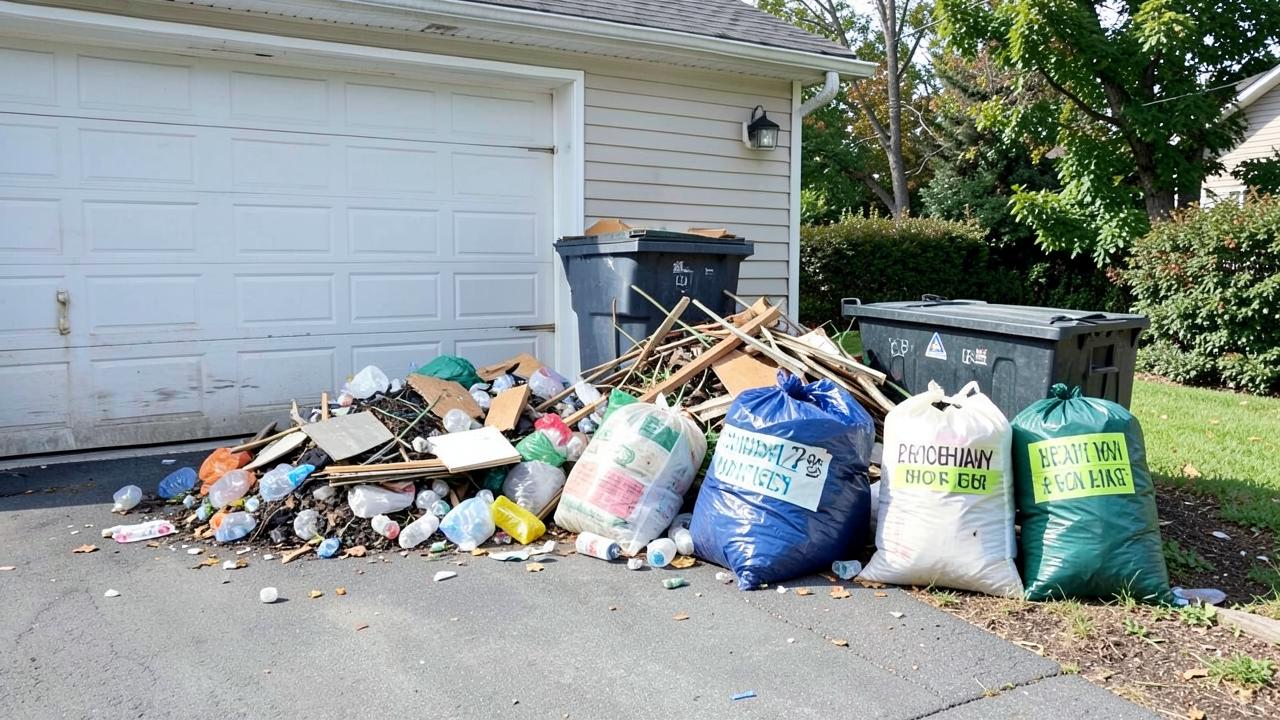
Low-waste renovation means diverting reusable, donatable, and recyclable material out of the demolition dumpster before it's hauled off, which typically cuts a $300-$700 dumpster rental to a smaller or single haul while also reducing landfill impact. The core habit is sorting debris into separate piles as you demo, rather than tossing everything into one bin by default.
How do you sort renovation debris to minimize waste?
- Reusable/donatable — intact cabinets, doors, fixtures, appliances less than 10-15 years old: set aside for donation pickup or resale.
- Recyclable — clean metal (pipes, wiring, appliances), cardboard, and in many areas clean concrete/brick and drywall scraps.
- Hazardous — old paint, solvents, and any suspected lead or asbestos material: never mix with general debris; requires special disposal.
- True landfill waste — broken tile, mixed insulation, and contaminated or unsalvageable material.
What does a dumpster actually cost, and how much can sorting save?
| Approach | Typical cost | Notes |
|---|---|---|
| Standard 20-yard dumpster rental | $350-$550 for 7-10 days | Flat rate often includes a weight limit; overage fees apply beyond it |
| Standard 30-yard dumpster | $450-$700 | Common for whole-kitchen or multi-room gut jobs |
| Sorted debris, smaller dumpster + separate donation pickup | $250-$400 total | Smaller bin needed once reusable material is removed |
| Hazardous material disposal (paint, solvents) | $0-$50 at municipal hazardous waste day; $100+ for private pickup | Never put in a standard dumpster |
What items are worth donating rather than dumping?
Cabinets, doors, appliances under about 10-15 years old, light fixtures, and usable lumber routinely get accepted by Habitat for Humanity ReStores and similar reuse organizations, often with free pickup for larger items. Beyond the environmental benefit, many of these donations are tax-deductible — get an itemized receipt at drop-off or pickup.
What renovation materials are recyclable, and how do you find local drop-off?
Clean metal (copper pipe, aluminum flashing, steel appliance shells) has scrap value and is accepted at most metal recyclers, often paying a small amount per pound. Clean concrete, asphalt, and brick are frequently accepted at construction and demolition (C&D) recycling yards for free or low cost, versus a per-ton landfill tipping fee. Check your municipality's solid waste website for local C&D recyclers, since acceptance varies widely by region.
How does low-waste planning start before demolition even begins?
The biggest wins come from decisions made before demo day: ordering only the material you need with a 5-10% waste allowance instead of over-ordering, choosing materials with recycled content or take-back programs, and scheduling any donation pickups before swinging a hammer. Waste reduction is far easier to plan in advance than to sort out of a mixed pile afterward.
How much renovation waste does a typical project generate?
A full kitchen remodel commonly generates 1-3 tons of debris, while a single bathroom gut typically produces 0.5-1.5 tons, largely from tile, drywall, and old cabinetry. Whole-house renovations can generate 5-10+ tons depending on scope. Knowing the rough volume ahead of time helps you size the dumpster correctly — an undersized bin means a costly second haul, while an oversized one wastes money on unused capacity.
What's the difference between a landfill tipping fee and a dumpster rental price?
Dumpster rental quotes usually bundle delivery, pickup, and a weight allowance (commonly 1-3 tons depending on bin size), with an overage fee of $50-$100 per additional ton if you exceed it. Heavy materials like tile, concrete, and roofing shingles fill the weight limit fast even in a partly-empty-looking bin, so mixing heavy debris with lighter material (drywall, wood scraps) in the same load can trigger overage charges faster than volume alone would suggest.
Can renovation waste sorting be done without slowing down the project?
- Set up three or four clearly labeled areas (donate, recycle, hazardous, trash) before demo starts, so sorting happens in the moment rather than after the fact.
- Assign sorting as part of the demo task itself rather than a separate cleanup step — it adds minutes, not hours, when built into the workflow.
- Keep a dedicated box or bin just for scrap metal, since it's easy to toss in with general debris otherwise and loses its recycling value once mixed in.
- Take photos of donatable items as you remove them, which speeds up scheduling pickup and documenting the donation for tax purposes.
How do you handle asbestos or lead concerns during low-waste sorting?
Homes built before 1980 may contain asbestos in old flooring, pipe insulation, or textured ceilings, and homes built before 1978 may have lead paint on trim and walls. Suspected asbestos should never be sorted or disturbed by a homeowner — hire a certified abatement contractor to test and remove it, since disturbing it during a low-waste sorting effort can release fibers into the air. Lead paint testing kits ($10-$15) let you check painted material before deciding whether it's safe to donate or requires special handling.
What permits or notifications does responsible disposal sometimes require?
Some municipalities require notification before a renovation that disturbs a set square footage of painted surface in older homes, particularly for lead-safe work practices, and larger commercial-scale demolition often requires an asbestos survey before a permit is issued. Residential DIY projects usually fall below these thresholds, but it's worth a quick call to your local building department if the project involves a pre-1980 home and significant demolition, since fines for improper hazardous material disposal can run into the thousands of dollars.
Can I put old paint cans in a regular dumpster?
No. Liquid paint, solvents, and other household hazardous waste should never go in a standard dumpster — most municipalities offer scheduled hazardous waste drop-off days, and some hardware stores accept paint for recycling.
How much can I save by renting a smaller dumpster and sorting?
Renting a smaller bin after removing donatable and recyclable material can cut total disposal cost by roughly $100-$300 versus a single large dumpster, plus you avoid overage fees for exceeding weight limits.
Is it worth the extra time to sort demolition debris?
For most renovations, yes — an extra hour or two of careful removal often saves $100-$300 in disposal costs and can generate a tax-deductible donation, making the time investment pay for itself.
Run the numbers for your own project
- Project Cost EstimatorWhat will this project cost me?
- Home Maintenance ScheduleWhat should I be doing to my home this month?
Keep reading
- How Much Paint Do You Actually Need for a Room?The tin says 400 square feet. Your wall says otherwise. Here is the arithmetic that actually holds up.
- DIY or Hire a Pro? A Decision Framework That Is Not About MoneyThe labour saving is real. So is the cost of a job done twice — and of tools you use once.
- Storage for Small Rooms That Does Not Make Them SmallerSmall rooms do not need more storage. They need storage that stops interrupting the eye.